
Why folding and bagging helps your order
Folding and bagging is the final step that turns printed garments into ready to issue stock. It matters when you are handing out school T-shirts, packing club orders, preparing event shirts or sending resale items to shops and market stalls in Jeffreys Bay, Humansdorp, St Francis Bay and beyond.
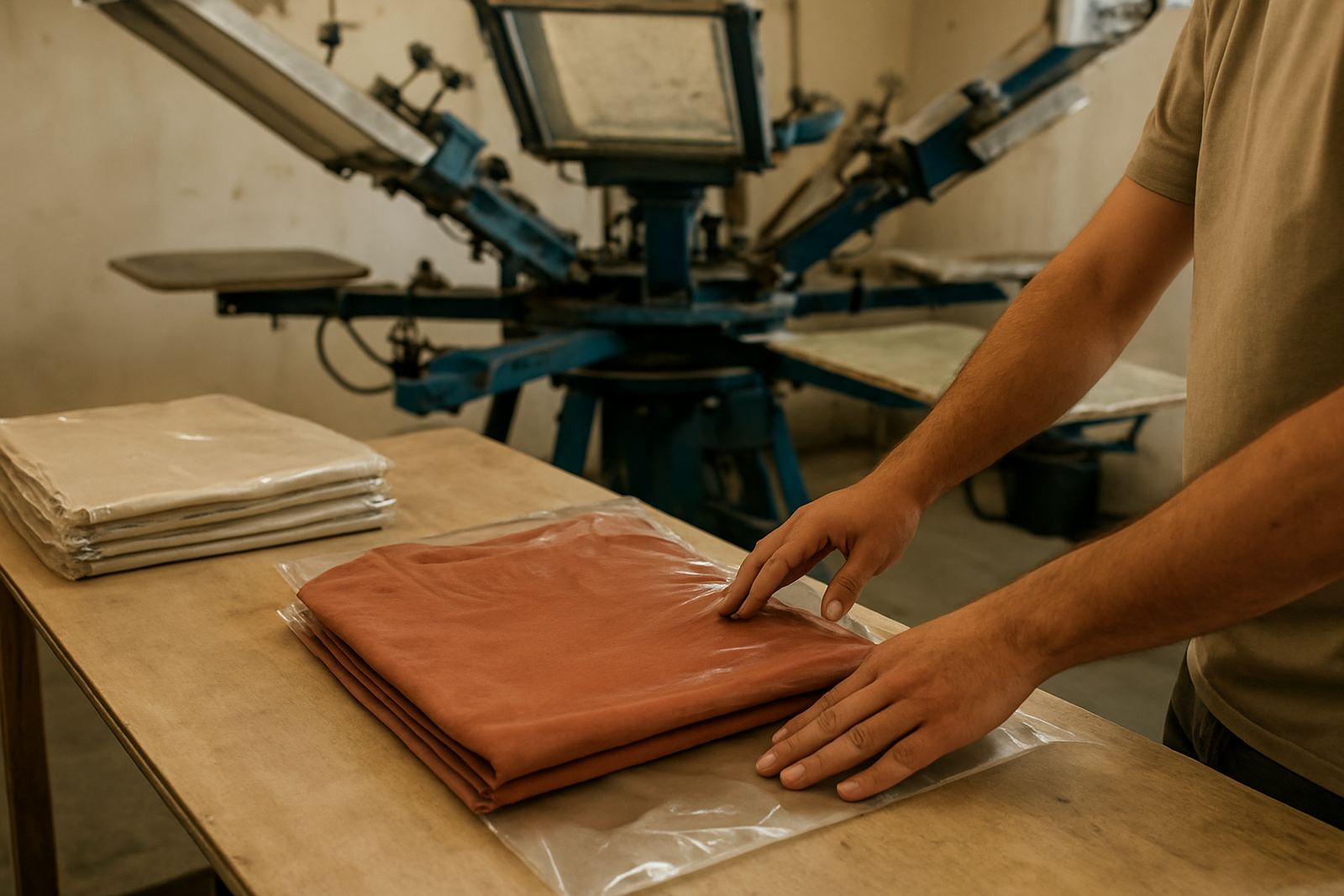
We fold each item to a consistent size so stacks stay tidy in transit and on shelf. Each garment is then packed into a clear bag, or grouped in bulk packing where that makes more sense for your project. The aim is simple, less handling, less creasing and a quicker handover when the order leaves our Jeffreys Bay industrial area base.
- Suitable for cotton T-shirts, hoodies, golf shirts and light team wear
- Helpful for school issue packs and class-by-class distribution
- Useful for retail-ready stock where presentation matters
- Reduces dust and handling before delivery or collection
In a coastal town, clothes can pick up moisture and scent quickly if they are left open. Bagging helps keep each item cleaner during short storage, especially when orders are being held for a few days before distribution.
What is included in the finishing process
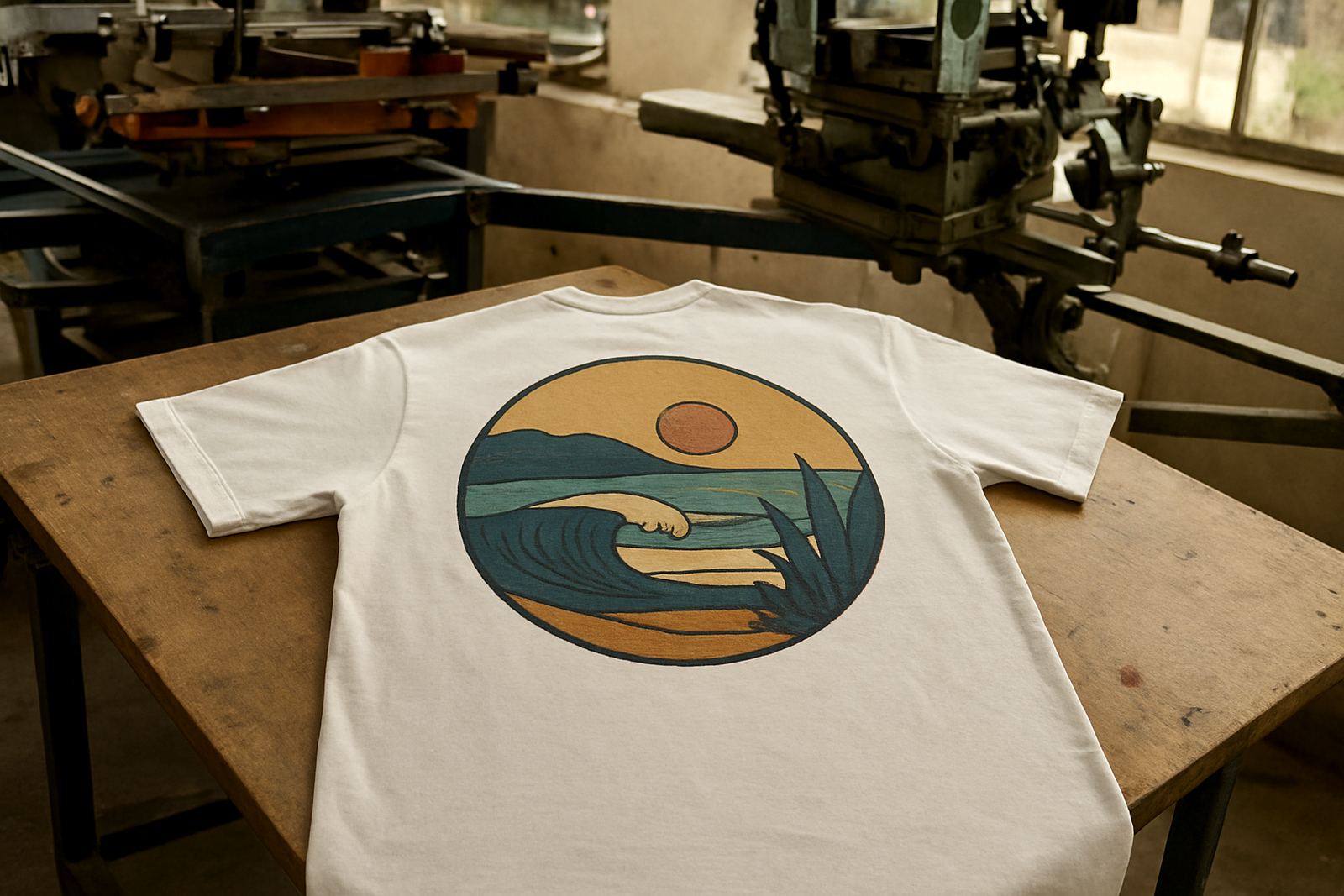
Our folding and bagging service is done after printing and quality checking. We inspect the print, make sure the ink has cured properly and then move the garments into the finishing line. If an order has mixed sizes or names, we can group and label the packs so the right item ends up with the right person.
The service can include individual bagging, bundle packing, size sorting and carton packing for larger runs. If you need a specific fold size for shelf display or box fitting, let us know before production starts so we can set the packing plan properly.
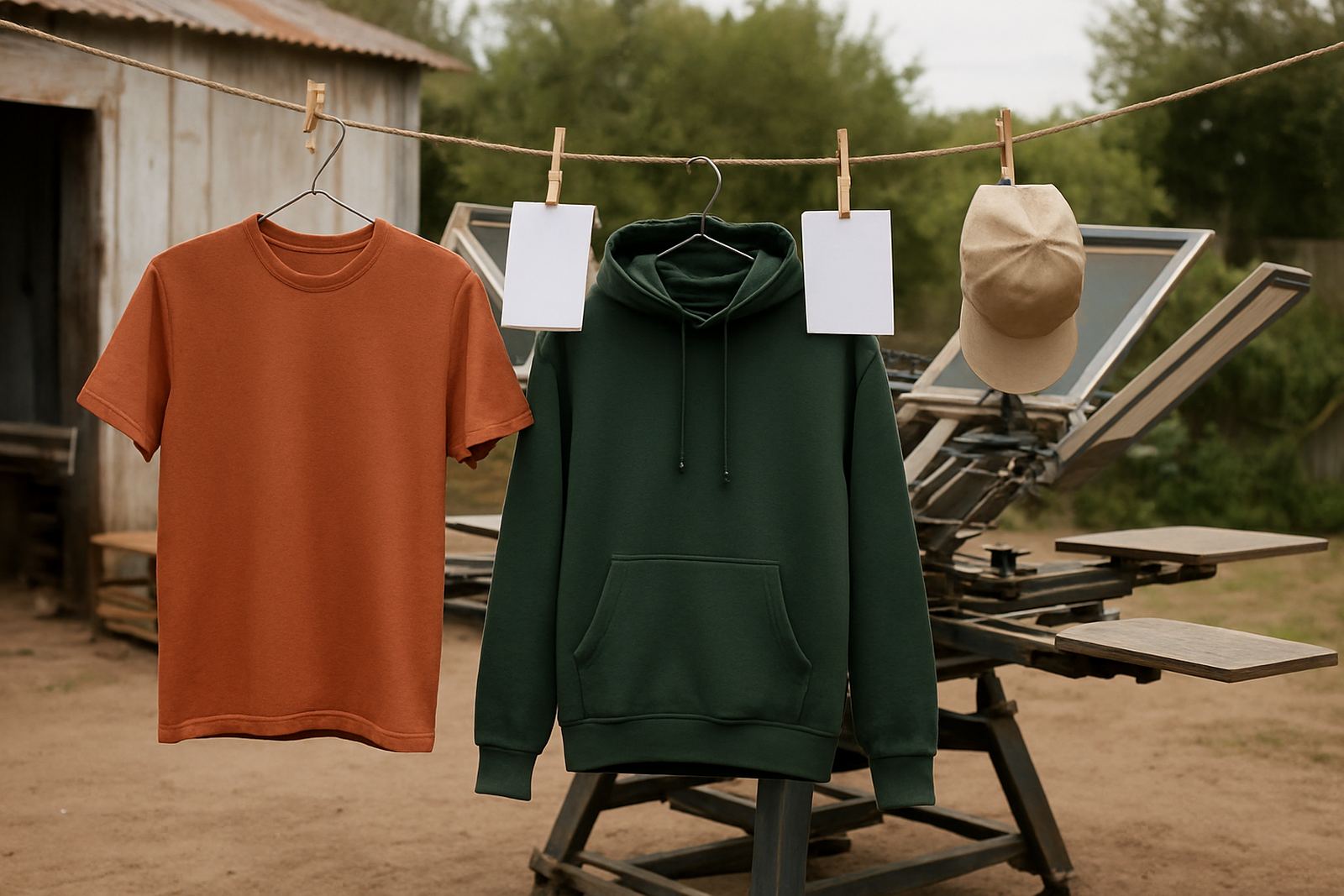
- Neat fold to suit T-shirts, hoodies, caps and folded sets
- Clear individual bags for single issue items
- Bulk packs for schools, clubs and event crews
- Optional grouping by size, colour or department
- Final count check before dispatch
We keep the process practical. No extra decoration, just a clean finish that makes distribution easier for your team and keeps the garments in better condition until they are worn.
How we handle packing from print to bag
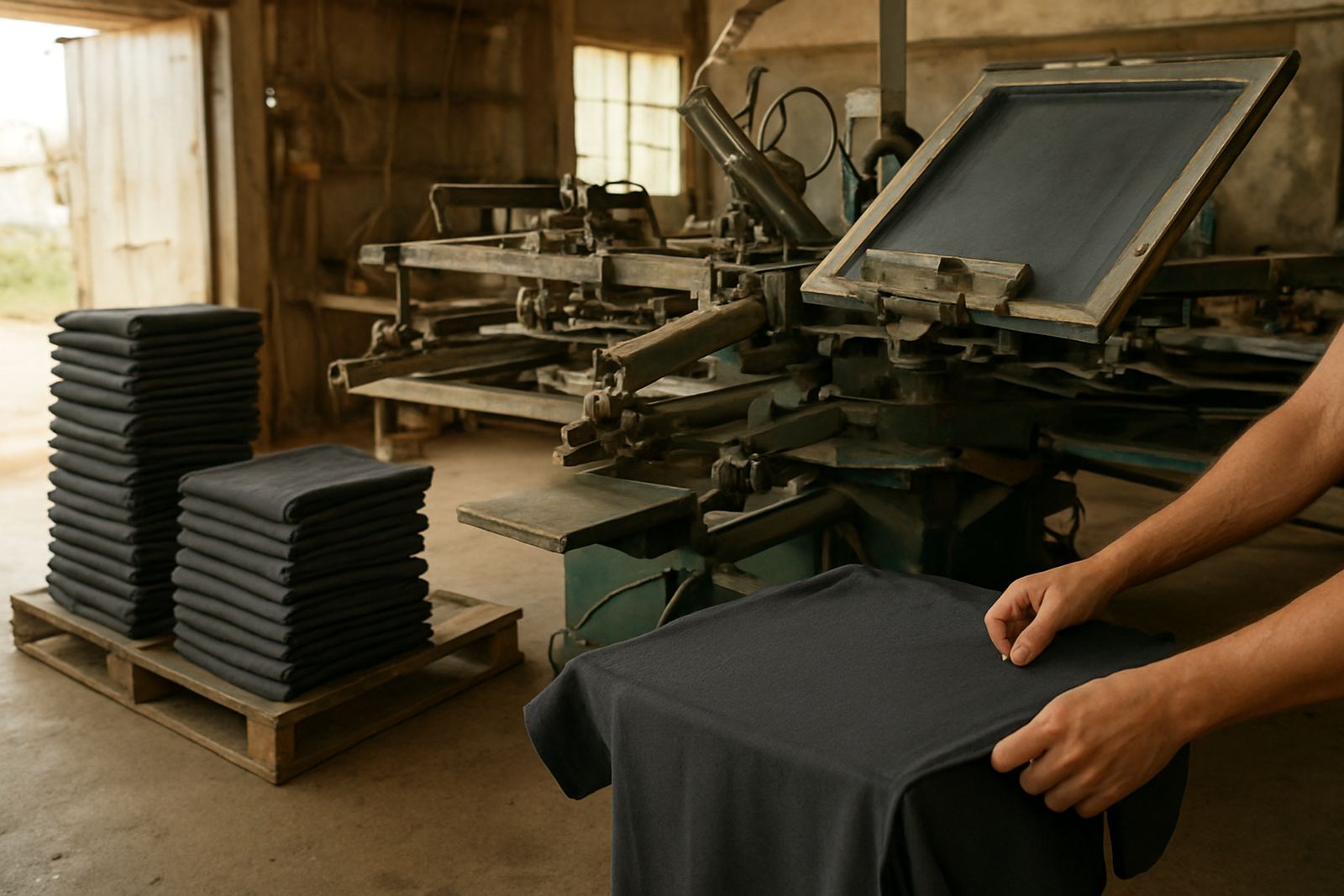
Once the prints come off the press and pass inspection, the garments rest long enough for proper cooling and curing. This is especially important with heavier ink deposits, multi-colour jobs and oversize back prints. If a garment is bagged too early, the heat can trap moisture and affect the fold or finish. That is why timing matters.
After cooling, our team sorts the order and prepares it according to your instructions. Leandi Smit handles sales and quotes, Ridwaan Isaacs checks artwork setup details, Thobeka Nene manages press output and Jason van Rooyen leads finishing. Megan Daniels keeps client communication moving, so you know what stage your order is at without chasing around.
- Print is checked for colour, placement and curing
- Garments cool before handling and folding
- Items are folded to the agreed format
- Orders are bagged, grouped or boxed as requested
- Final count and pack notes are confirmed before release
For repeat orders, we keep the same packing notes on file where possible. That saves time on future runs and helps maintain the same fold and bagging method every time the order returns.
Turnaround times that fit school and event deadlines
Turnaround depends on the size of the order, the print method and how much finishing is needed. Simple fold and bag jobs on printed stock can move quickly, while large school or event orders need more handling and sorting. We always factor in curing time, which is important in humid conditions and on busy weeks where jobs come in back to back.
For local work in Jeffreys Bay and nearby towns, folding and bagging is often completed as part of the normal production cycle. If a deadline is tight, tell us upfront and we will look at the best production order for your job. Early approval of artwork and size lists helps a lot, because delays usually come from late changes not the packing itself.
- Small orders can often be packed with the print run
- Larger school or club orders may need staged packing
- Rush work is possible when the artwork and garment list are ready
- Holiday and event seasons need earlier booking
If your project has a launch date, sports day or issue day, give us the date first and then the quantities. That makes it easier to plan the print run, cooling time and finishing sequence properly.
Pricing based on pack style and order size
Pricing for folding and bagging depends on the number of garments, the type of packing requested and whether items need sorting by size, name or team. A straight fold and bag on a single style is simpler than a mixed order with several sizes and labels. Bulk packing is usually more cost-effective for large school or club runs.
We quote based on the actual job, not a rough guess. That means the price is linked to how many items need handling, the final pack format and whether you want individual bags or grouped packs. If you are trying to keep resale margins healthy, we can help you choose a packing method that still looks neat without adding unnecessary cost.
- Single style orders are quicker to pack
- Mixed size or mixed colour orders need more sorting
- Individual bagging costs more than bulk packing
- Regular repeat orders may qualify for simpler repeat setup
Because we work with schools, clubs and local businesses, we keep our pricing clear and practical. There is no sense in paying for a finish you do not need.
Care and storage after packing
Once garments are folded and bagged, they should be stored in a dry place away from direct sun and damp floors. This helps preserve the print, the fold and the bag condition until issue day. In the Eastern Cape, coastal humidity can creep into storage rooms, so raised shelving or pallets are better than leaving cartons directly on concrete.
If you are holding stock for more than a few weeks, check the cartons now and then. Long storage in hot rooms can mark packaging and make some fabrics pick up a stale smell. For school and club stock, we suggest reviewing packing condition at regular intervals, especially if the order will be distributed in stages across a term or season.
- Store cartons off the floor where possible
- Keep away from water leaks and open windows
- Avoid stacking heavy boxes on printed garments
- Check held stock every 4 to 6 weeks
For longer campaigns, we can pack in a way that suits phased distribution, so you do not have to reopen everything at once. That is useful for schools, sports clubs and event organisers who release stock in batches.
Key facts
| Garment types | T-shirts, hoodies, golf shirts, caps and light team wear |
|---|---|
| Packing options | Individual bagging, bulk packing, grouped packs and size sorting |
| Typical use | Resale stock, school issue, club kit and event distribution |
| Finish format | Neat fold with final count check before dispatch |
| Local service area | Jeffreys Bay, Humansdorp, St Francis Bay, Cape St Francis, Oyster Bay, Kareedouw and Gqeberha |
| Maintenance interval | Review stored packed stock every 4 to 6 weeks if held long term |