
What a rush order can and cannot fix
A tight turnaround does not change the basics of screen printing. The job still needs artwork that can print cleanly, a confirmed garment choice, and enough time for setup, printing, drying and finishing. If those pieces are missing, the schedule gets squeezed quickly. That is true whether you are ordering for a surf event in Jeffreys Bay, a school fundraiser in Humansdorp or a club trip to St Francis Bay.
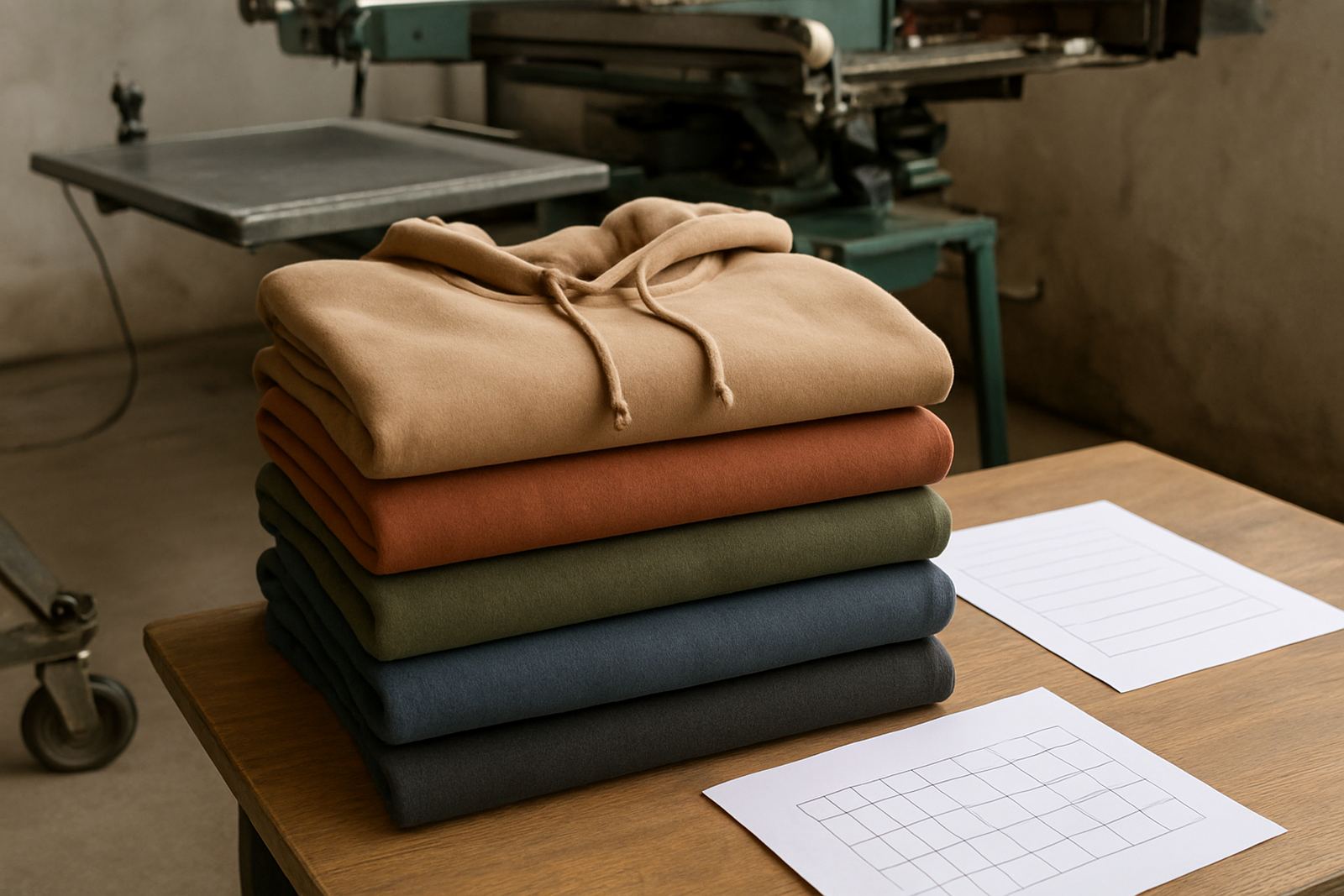
The first thing to understand is that not every request marked urgent is the same. A one-colour print on standard T-shirts may be possible faster than a multi-colour job on hoodies with sleeve prints and bagging. Caps, oversized back prints and mixed garment sizes can all add steps. The more moving parts, the more care is needed to keep the print sharp and the order complete.
For clients in coastal towns, timing also matters because humidity can affect drying and finishing. In summer especially, garments need proper handling before packing so ink does not set poorly or mark other items. That is one reason we always ask for realistic collection or delivery windows rather than just a date on the calendar.
The details that save hours later
Before you send a rush enquiry, pull together the facts that remove guesswork. This lets the production team quote properly and flag any risks straight away. If you are still collecting information from committee members or team captains, sort that first. It is much faster to approve one clear order than to chase ten separate confirmations.
- Final garment type, including T-shirts, hoodies, caps or team kit
- Sizes and quantities for each size, not just a total number
- Print placement, such as left chest, back, sleeve or neck label
- One-colour or multi-colour artwork, plus any brand colours that must match
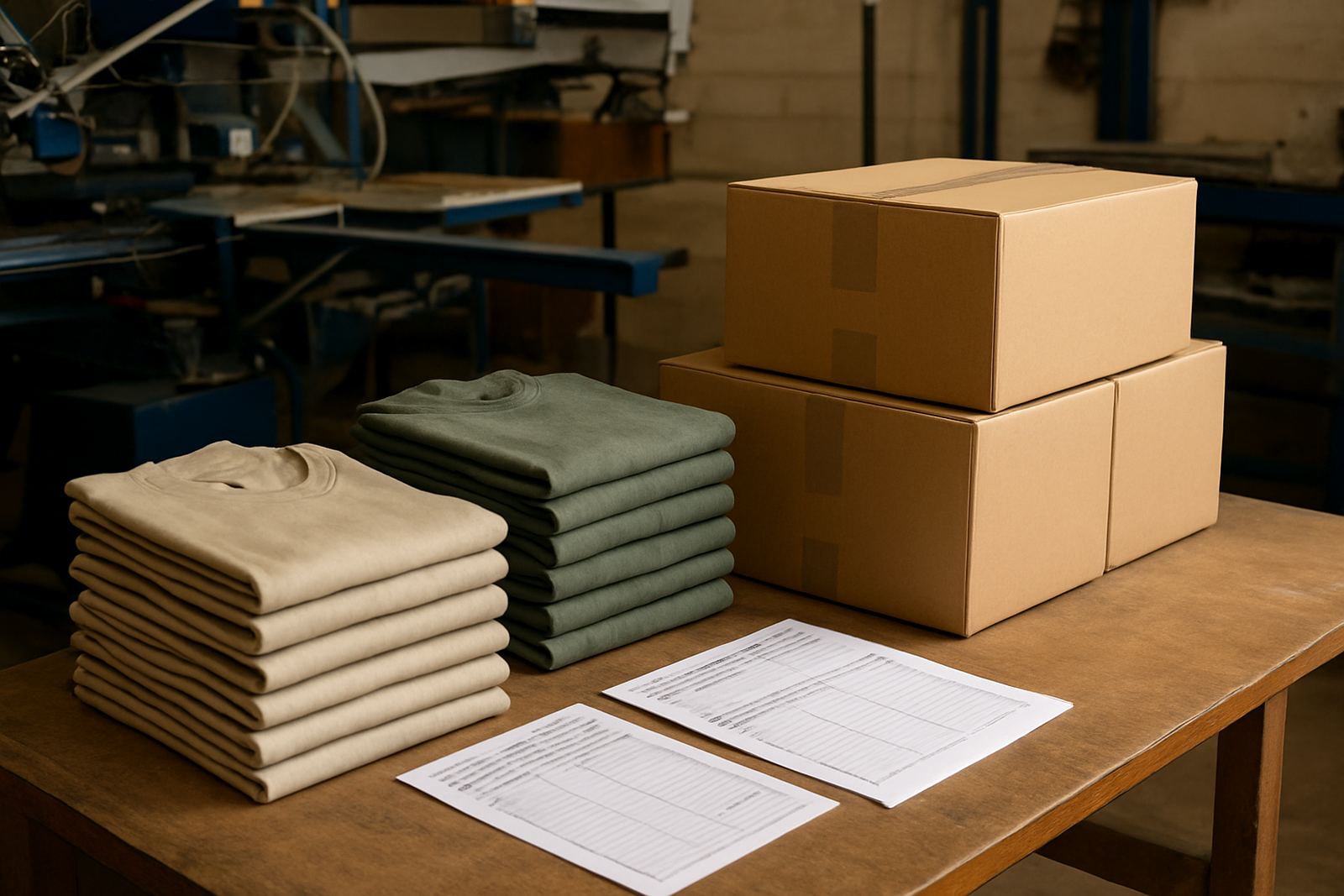
- Event date, collection date and whether folding or bagging is needed
- Any repeat order details if you need the same artwork again later
A common delay comes from vague size splits. If a school in Kouga says they need 80 shirts, but the sizes are only confirmed after production starts, the job can stall. The same applies to mixed staff orders where every department wants something slightly different. The cleaner the list, the quicker the turnaround.
Artwork that prints well under pressure
Artwork is one of the biggest reasons rush orders slow down. A logo sent as a photo, a low-resolution screenshot or a file with tiny text may look fine on a screen but print poorly on fabric. Under time pressure, there is less room to rebuild the art from scratch. That is why a good starting file matters so much.
If your event is near and the logo has not been used for a while, check whether the artwork is still current. Old versions often carry outdated numbers, different spelling, or colour changes that nobody notices until the garments are already in line for print. For school leavers, sports days and church events, that can turn into an avoidable delay.
When in doubt, send the cleanest version you have and explain where it will be used. We can advise on setup, colour matching and whether a sample strike-off is needed before full production. If the order is very tight, that conversation should happen early, not after everyone has already promised the shirts for Friday morning.
Why fixed event dates need honest lead times
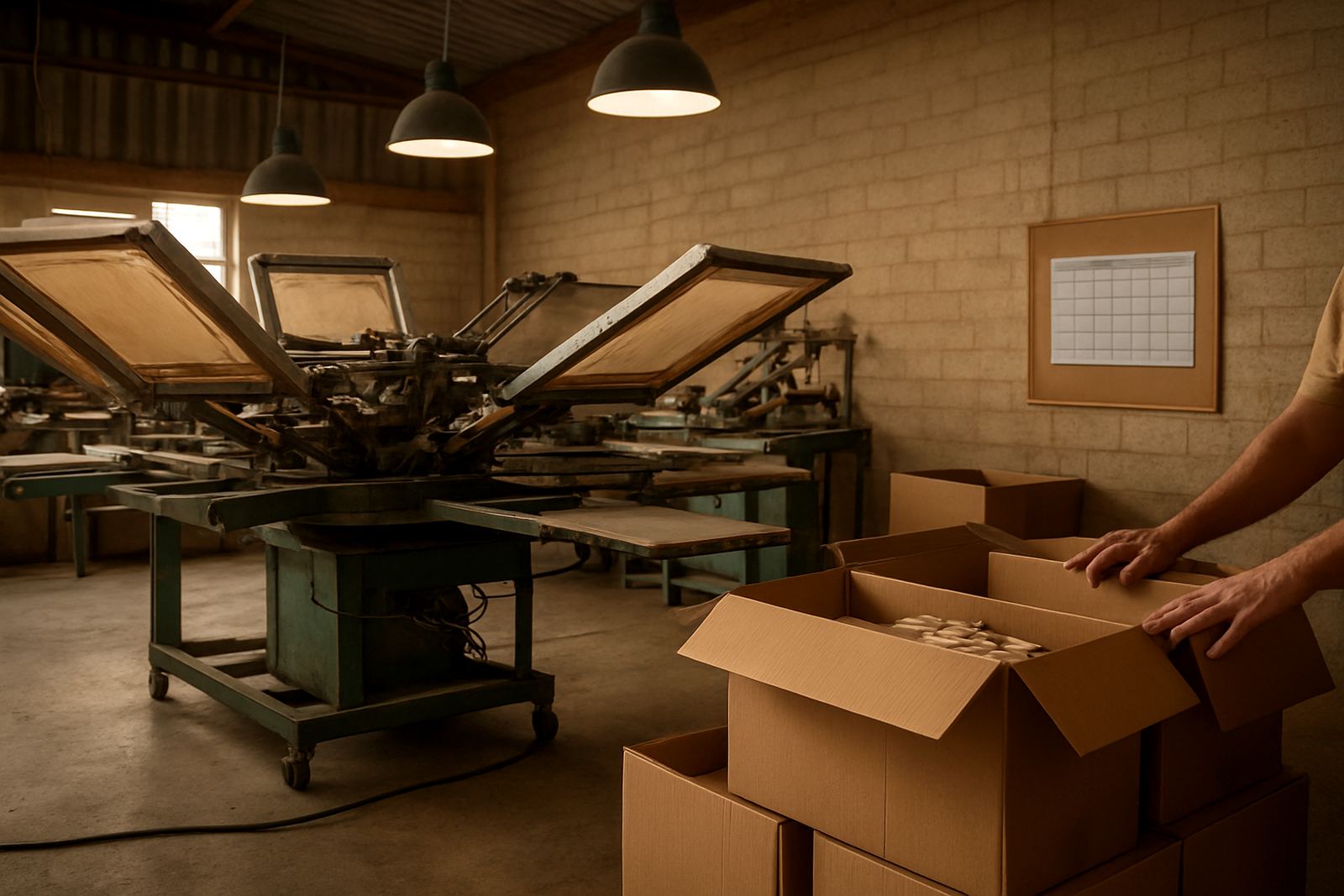
Some rush jobs are possible because the order is simple. Others are risky because the event date leaves almost no room for error. Printing, drying, folding and bulk packing all take time, and each step has to be done in sequence. If one stage slips, the rest moves with it.
Local customers often underestimate how many people are relying on one box of shirts or hoodies. A surf competition, church outreach, club tour or corporate activation may depend on those items arriving together and looking the same. That is why we are direct about what can be done and what needs more time.
If you are collecting from Jeffreys Bay industrial area, factor in your own schedule too. A same-day request can still be difficult if your team only signs off artwork late in the afternoon. For event work in Gqeberha, Humansdorp or St Francis Bay, transport timing matters as well. Once the order leaves the production line, there still needs to be a sensible handover window.
A local example from the Kouga coast
Take a practical example. A St Francis Bay club needs 60 black T-shirts for a weekend event and wants a white front print plus a back sponsor logo. The order is not huge, but it becomes urgent when the final sponsor name only arrives two days before the event. If the sizes are already confirmed and the artwork is clean, the job has a fair chance of moving through quickly. If not, the whole thing slows down.
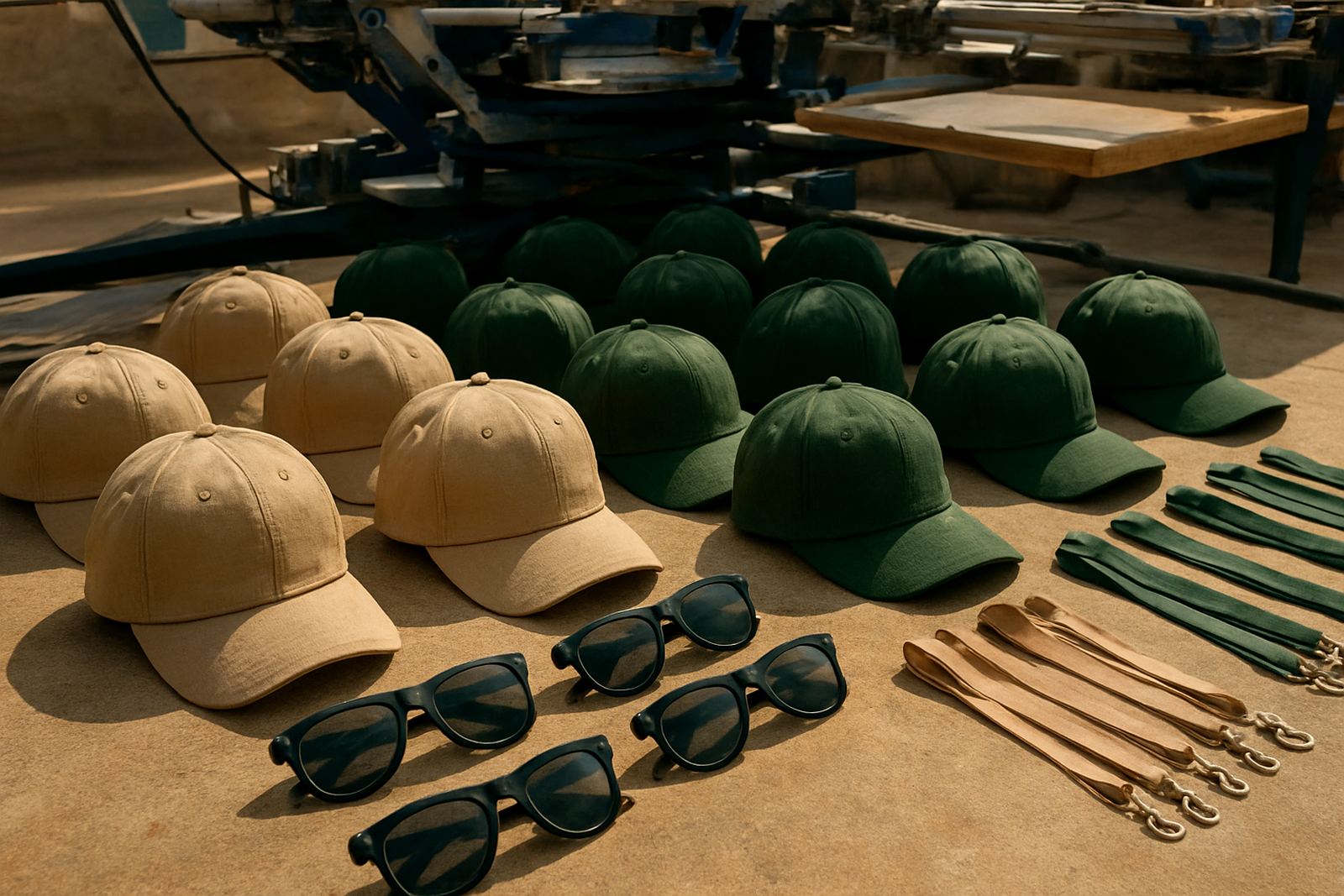
Now add a second layer: a few hoodies for committee members, caps for volunteers and bagging for distribution on the morning of the event. That is still possible in some cases, but only if the client has made the core decisions early. The biggest lesson is simple. Rush orders are not saved by hoping for the best, they are saved by having the facts ready.
For businesses in Jeffreys Bay, Humansdorp and nearby towns, this approach reduces stress and cuts back-and-forth. It also helps repeat orders, because once the sizes and artwork are locked in, reordering becomes much easier next time.
What to send first when time is tight
If you need to move fast, start with the essentials rather than a long explanation. A short, clear enquiry helps the sales team quote accurately and check whether the order fits the production schedule. The moment the enquiry comes in, we look at the garment type, the print method and the deadline together.
- What you need printed
- How many pieces you need
- The date the order must be ready
- Whether artwork is final or still being adjusted
- Any finishing you want included, such as folding, bagging or bulk packing
If the order is for a school, club or event crew, nominate one person to approve changes. Multiple voices can slow everything down. A single point of contact keeps the process moving and reduces mistakes, especially when the timeline is short and there is little room to rework anything.
The best rush orders are prepared before they are urgent
Fast work still needs structure. The clients who get the smoothest turnaround are usually the ones who know their quantities, have their artwork ready and understand what their chosen print method can handle. They do not wait until the final day to ask about colours, sizes or finishing.
That is the real truth behind rush order realities. A tight deadline does not have to become a crisis, but it does require clear decisions and realistic expectations. When the details are ready, screen printing can move quickly and professionally even on a short timeline.
For Jeffreys Bay and the wider Kouga region, that means thinking ahead before the event paperwork lands on your lap. The earlier the facts are confirmed, the easier it is to get the order printed right the first time.