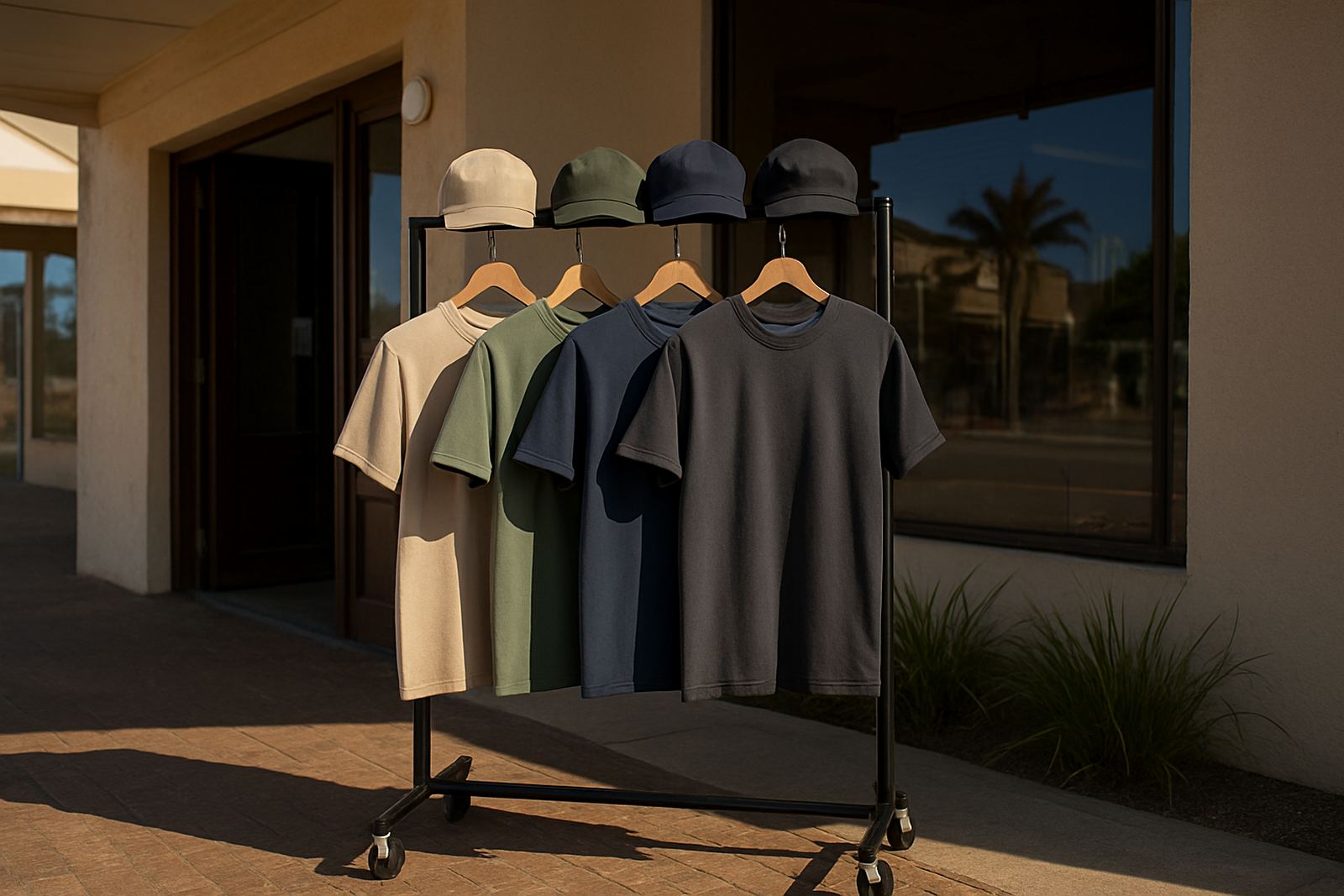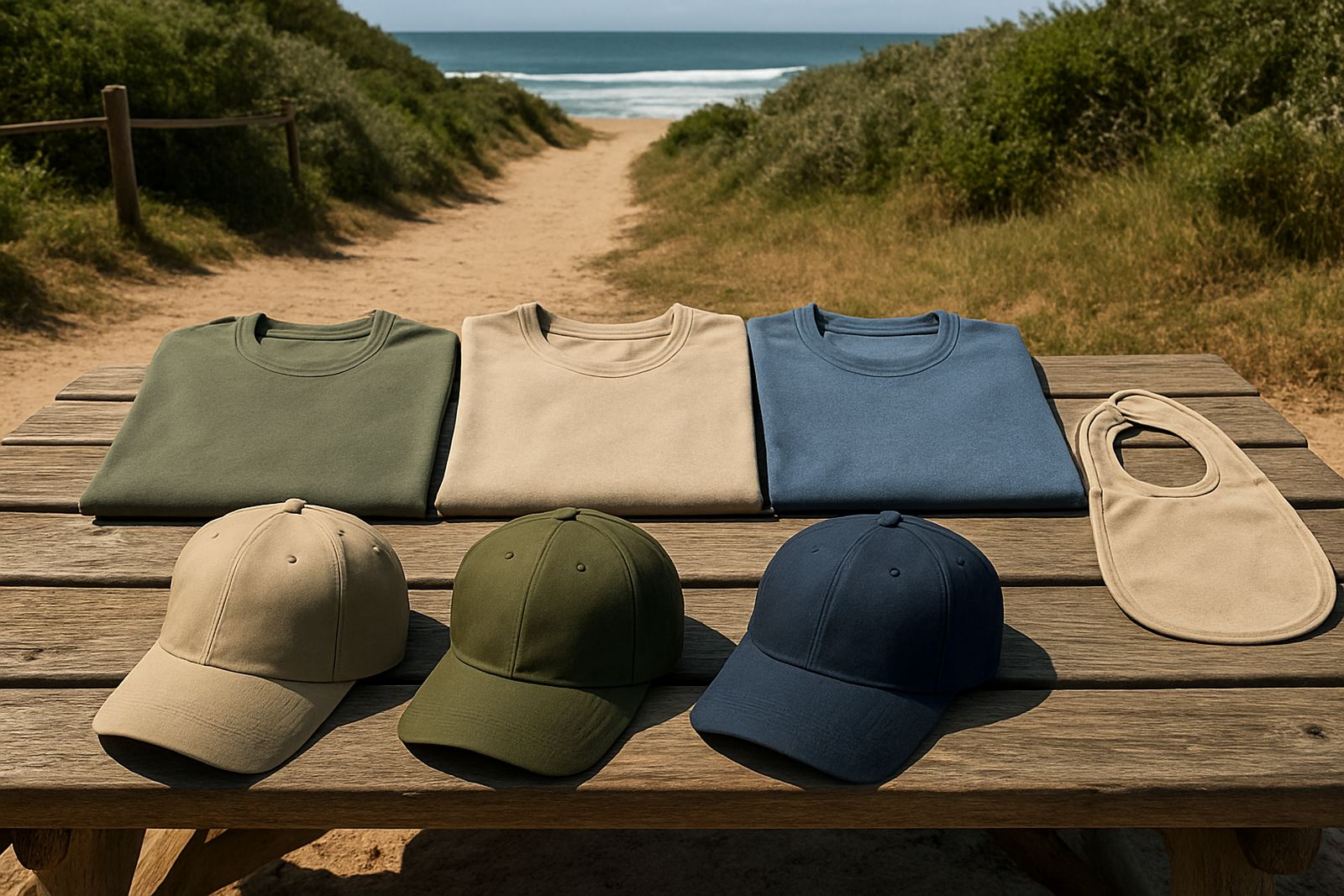

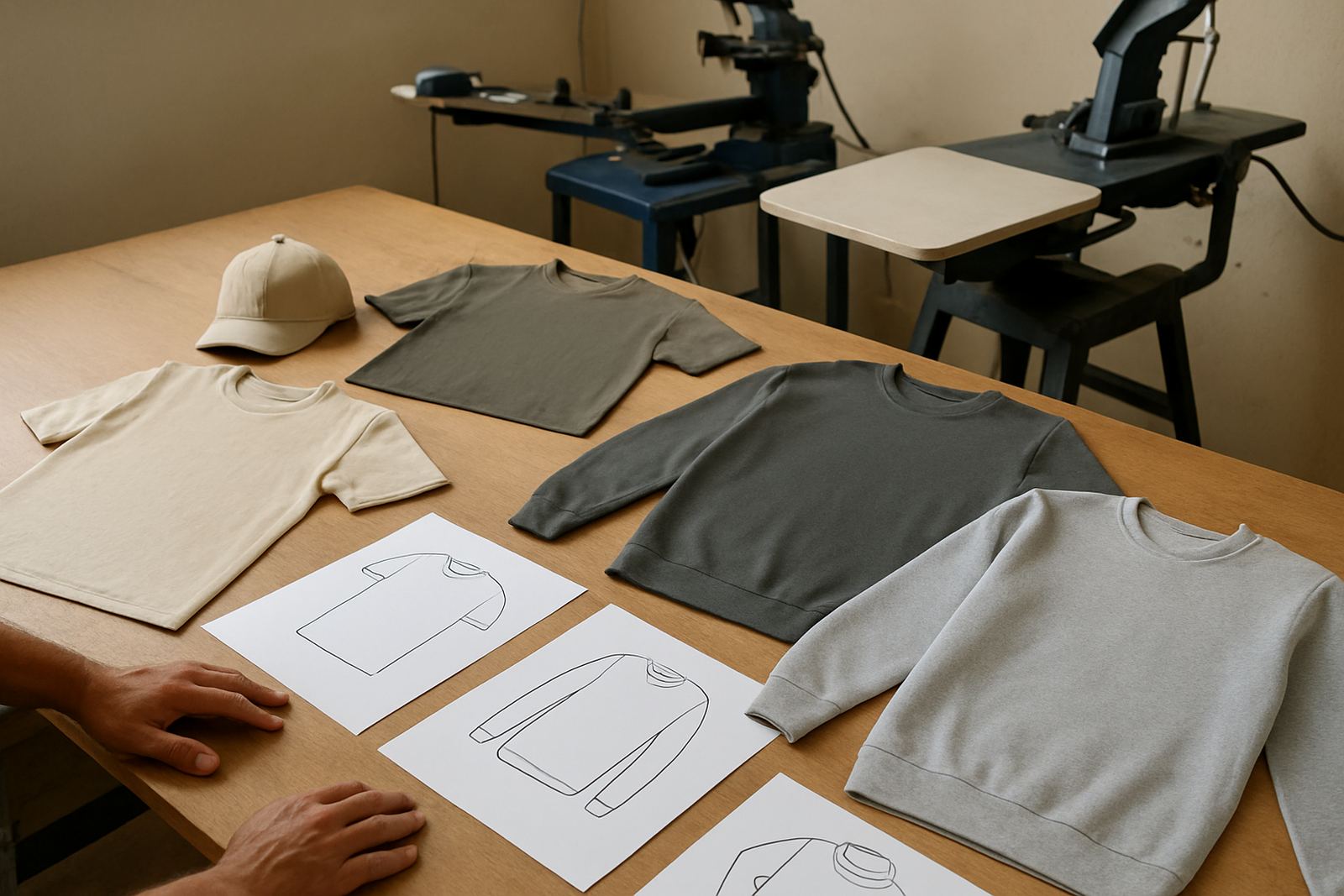
Start with the final wear list, not a rough guess
The best school orders begin with a proper list of who is getting what. Separate learners, staff, coaches and volunteers first, then note the garment type for each group such as T-shirts, hoodies, caps or team kit. If the order is for a school event, add the date and the exact purpose so the print run matches the use. A choir shirt does not need the same specs as a rugby tour shirt, and a grade event shirt may need smaller quantities in mixed sizes.
It helps to appoint one person to collect all details before anything is sent for artwork or quoting. That person can check spelling, confirm the school name, and make sure there is one final approval point. This avoids different teachers sending different instructions, which is where delays usually start.
- List the garment type for each group
- Confirm the number of sizes needed
- Note the event date and delivery deadline
- Choose one contact person for approvals
Get sizing right before the print run begins
Incorrect sizing is one of the easiest ways to waste money on school apparel. Ask for a size range and not just a general age group, because a grade 4 learner and a grade 7 learner can need very different fits. For older learners, teams and staff, it is worth taking actual chest measurements or using sample garments where possible. This matters even more for hoodies and sports shirts where a snug fit can feel too tight after the first wash.
For schools in coastal areas like Jeffreys Bay and St Francis Bay, children often wear garments in windy mornings and warmer afternoons, so comfort matters as much as appearance. If parents are placing orders, send them a simple size guide and a clear closing date. Once the size list is final, do not keep changing it, because one late change can affect the whole production line. We have seen a small typo on a class list cause three wrong shirts to be printed, and that is avoidable.
- Use chest measurements where you can
- Allow for growth on younger learners
- Ask for samples if the fit must be exact
- Set a cut-off date for size changes
Choose print colours that work on real garments
School colours often look simple on paper, but they can behave differently once they are printed on cotton, polycotton or darker fabric. Before production starts, confirm the garment colour and the print colour together. A white print on navy, a yellow print on black, or a two-colour school crest all need clear approval. If the order has multiple groups, keep the colour palette tight so the whole batch looks consistent.
For schools near the coast, fabric choice is also practical. Garments that face frequent washing and humidity should be selected with durability in mind, especially for winter hoodies and sports wear stored in classrooms or changing rooms. Screen printing is a good fit for repeat school orders because it gives a neat finish and holds up well when the artwork is kept consistent from one batch to the next.
- Approve garment colour and print colour together
- Keep school branding consistent across groups
- Match fabric choice to wash frequency
- Use the same artwork version for repeat orders
Set deadlines that allow for approvals and last minute changes
A school order needs time for quoting, artwork setup, sample strike-offs and production. If the deadline is tight, build in a buffer for approvals from the principal, sport organiser or governing body. It is much easier to print on time when the final sign-off arrives early. For larger orders, count back from the event date and leave room for packing, sorting and collection.
In the Kouga area, school calendars can get crowded with interschool fixtures, fundraisers and tour dates. That is why a clear deadline sheet is worth using. Put the order close date, artwork approval date and collection date in writing. If payments come in from different families, ask for proof of payment early so the job can move forward without hold ups. It also helps when the school needs bulk packing by class or by team.
For orders heading to Humansdorp or Gqeberha, travel time and handover timing should be factored in too. A final check on the day before collection can prevent surprises, especially if the school wants items folded and bagged per learner.
Prepare artwork and names in one clean file
School artwork often includes a crest, a slogan, a year group and sometimes sponsor details. The cleaner the source file, the faster the setup. If names or initials are going on the garments, send them in one list with spelling checked and family names separated clearly. Do not send names in several messages, because that is where errors creep in. One neat file is far easier to work from than a set of photos from a phone.
If the order is for a sports day, colour matching becomes important when school colours must look right across different garment types. Artwork should be checked at actual print size, not only on a screen. That helps with line thickness, text size and placement on sleeve, chest or back print areas. For repeat orders, keep the approved version on record so the same school can reorder later with less admin.
- Send one checked list of names and sizes
- Use a clear crest or logo file where possible
- Confirm print placement before production
- Keep one approved version for future repeats
A local Jeffreys Bay example that keeps the order on track
Take a primary school in Jeffreys Bay planning shirts for a surf safety fundraiser and winter sports day. The organiser first confirms quantities for each grade, then checks size ranges with teachers. The school chooses one shirt colour for all learners and a second colour for staff so sorting stays simple. The order is then split into print groups, with the crest on the chest and an event print on the back. Because the deadline is tied to a Saturday event, the school sets an early approval date and a final collection day two working days before the function.
That kind of structure works well for schools across Kouga because it keeps everyone on the same page. It also allows the printer to plan production around other work in the industrial area base, which means better turnaround and fewer rushed corrections. When the school has a repeat order next term, the same setup can be used again with updated sizes only. That saves time and makes the next round easier for teachers and parents alike.
At Brand-On Screen Printing, our team supports school orders from enquiry to finishing, including artwork setup, sample strike-offs, folding and bagging, and bulk packing where needed. Clients reach us through the enquiry form on our contact page, and that gives one clean starting point for the job.