
Clothing that works from first set-up to last sale
For market traders, branding has to do two jobs at once. It must identify your stall quickly, and it must survive long days in the sun, crate lifting, oil splashes, food handling and the odd rainy Saturday when the wind turns in off the coast. That is why the usual order starts with a few hard working items rather than a full uniform changeover. A clean printed shirt or apron gives your stall a sharper local presence and helps customers spot your team from across a busy market row.
In Jeffreys Bay and nearby coastal towns, the best garments are the ones that dry quickly, do not hold too much grit and still look neat after a wash. Cotton blends, heavier tees, work shirts and aprons all have their place. For food stalls, we often advise darker colours or mid tones that handle stains better, while craft and produce traders often choose brighter shirts for visibility. If your stall works near the beach or in open air spaces, the print should stay readable in strong sun and salt air.
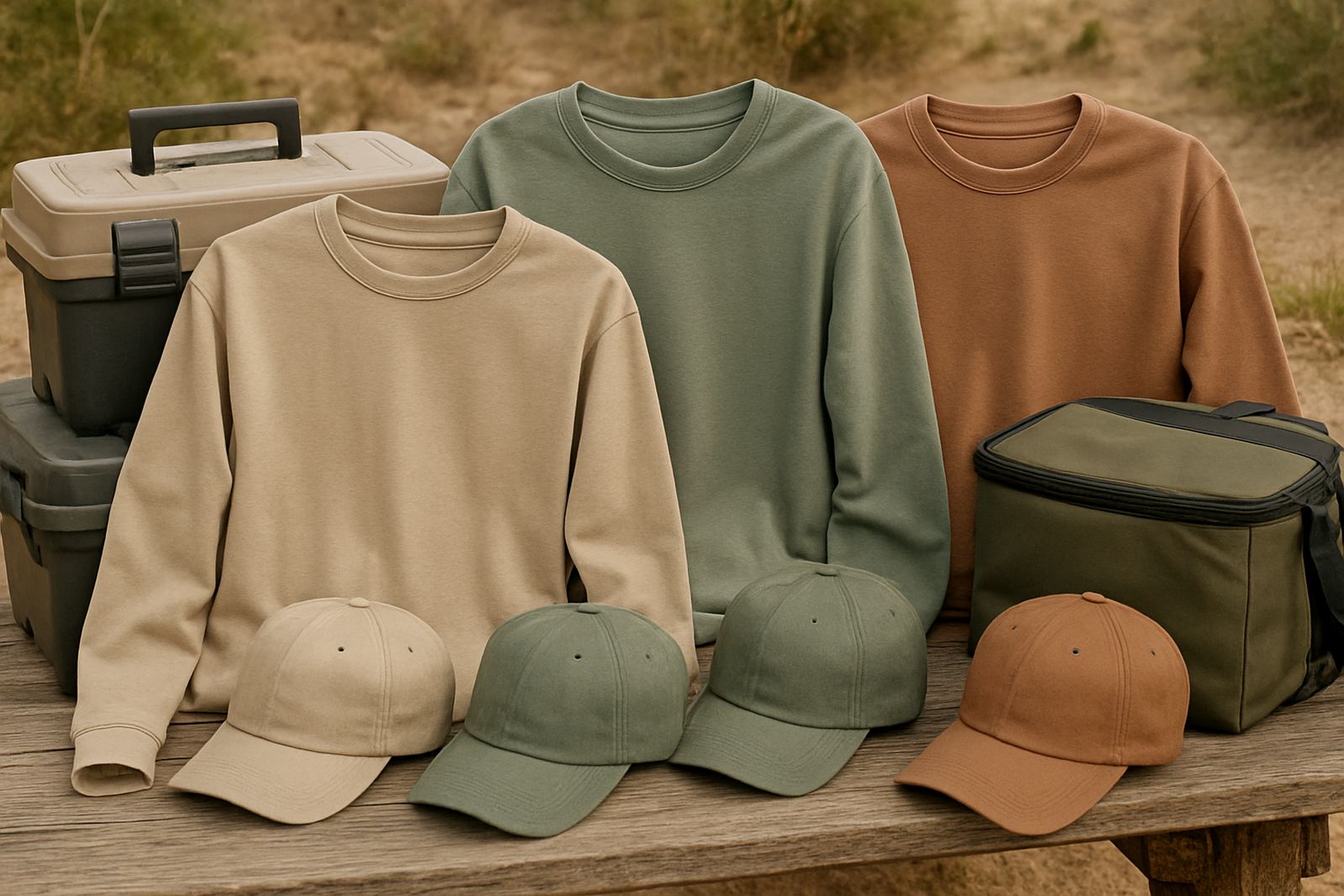
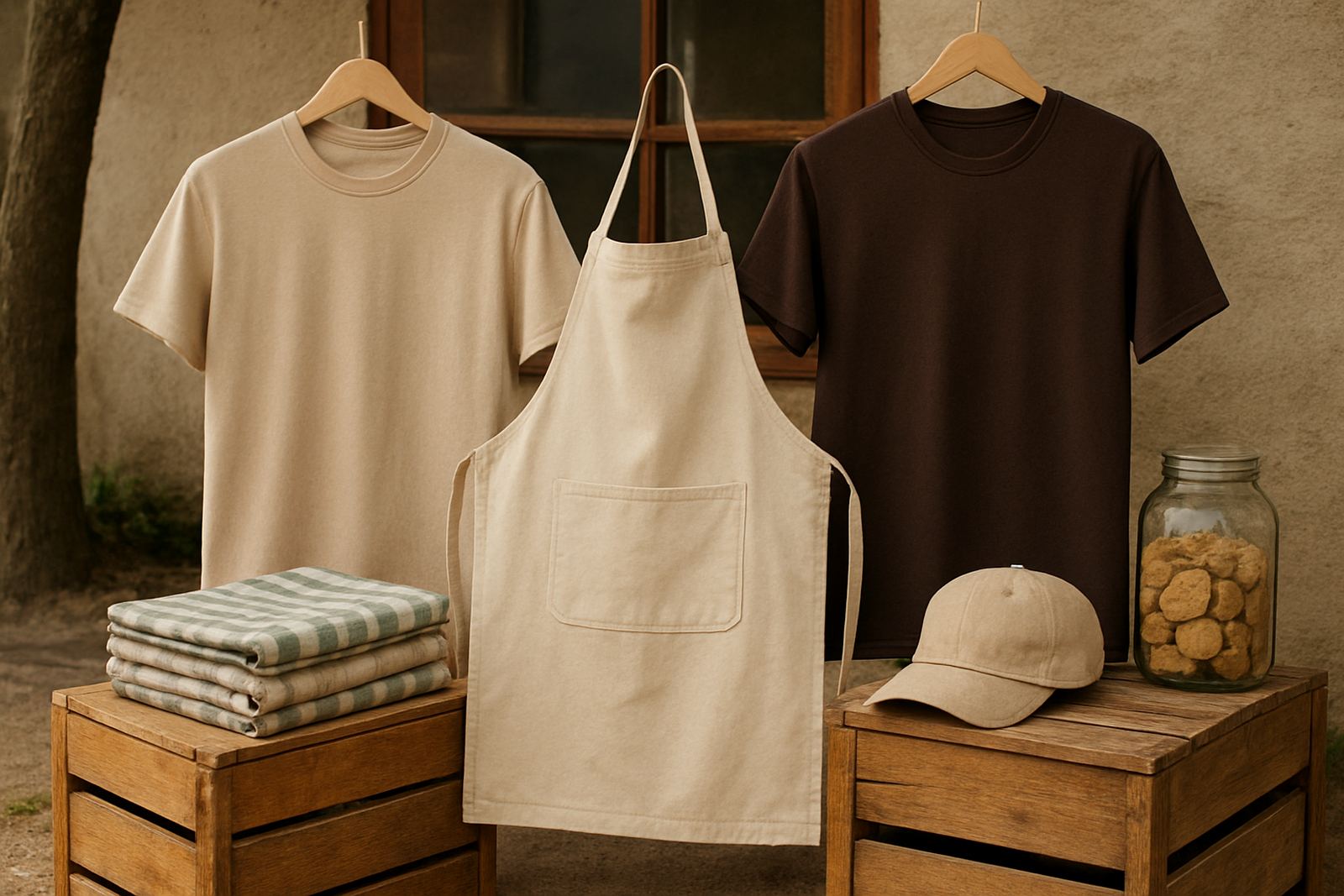
- Short sleeve tees for hot days and easy movement
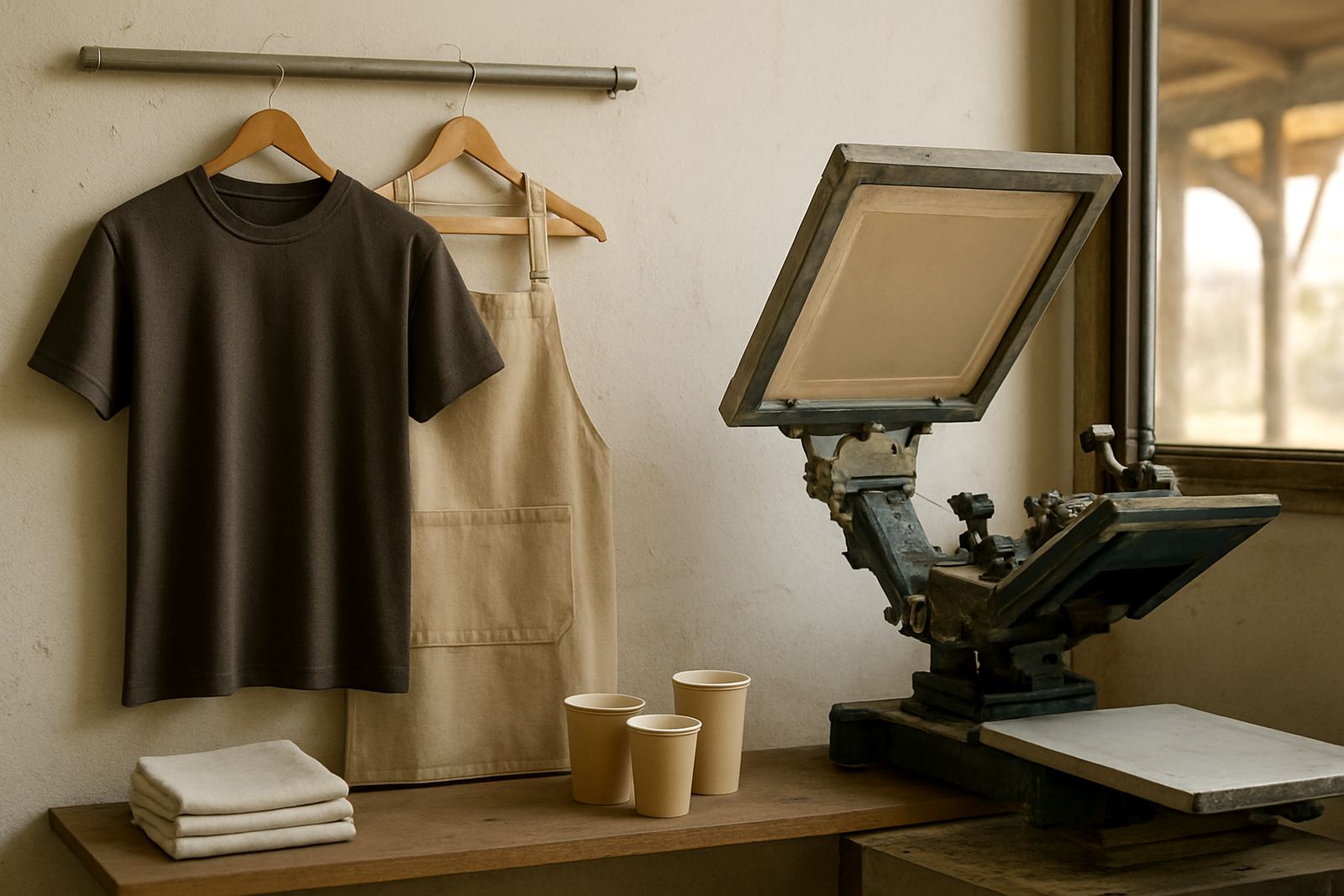
- Aprons for food, coffee, baking and craft stalls
- Caps for shade and easy staff identification
- Hoodies or zip tops for early starts and winter markets
Typical market trader order sets and what they cost
Most traders do not need hundreds of garments to start. A practical first order is usually 10 to 30 items, matched to the number of people on site and the size of the stall. If you are trading solo, a small run of shirts and one apron design can be enough. If you have a team, the order may include staff names or role colours so customers can see who packs orders, who serves, and who handles payments.
Typical budget ranges depend on the garment type, print size and number of colours. As a working guide, simple one colour prints on supplied garments can start from about R95 to R160 per item for tees, and from about R85 to R140 per apron print, depending on quantity. Multi colour artwork, oversized back prints and added sleeve prints push the price up. Small starter sets for a market stall often land between R1 200 and R3 500, while a fuller team pack with shirts, aprons and caps can sit between R3 500 and R8 500. Repeat orders are usually more economical because the artwork and setup can be reused.
- Starter set: 10 to 15 items for a single trader
- Small team set: 20 to 30 items with mixed sizes
- Event pack: branded wear for a weekend market or festival
- Repeat order support for restocking after busy seasons
Layout advice for stalls, aprons and front-of-house visibility
Good market clothing should match how you actually work at the stall. Front-facing logo placement is the safest choice because customers see it first when they walk up. For aprons, a chest logo gives a neat appearance, while a larger logo across the apron front can help with visibility in crowded aisles. If staff often turn away to pack goods or bag items, a back print or shoulder print can help the branding stay visible from more angles.
We also look at practical placement. On food aprons, prints should sit clear of the lower splash zone. On tees, a chest print should be high enough to stay visible when wearing an apron over it. If your team wears caps, keep the logo simple and readable at a small size. For events in Gqeberha or long days in Humansdorp, it helps to choose a layout that remains legible from a few metres away, not just close up.
- Chest logo for quick identification at the counter
- Large back print for busy markets and events
- Sleeve print for trader names, product lines or team roles
- Neck label print for a cleaner inside finish
Common mistakes traders make with branded wear
One common mistake is choosing artwork that is too detailed for small garments. Fine lines, tiny text and thin outlines can disappear once printed onto fabric that moves and stretches. Another is picking a colour combination that looks good on a screen but fails in daylight. Strong contrast matters in the Eastern Cape sun, especially when your stall is set up near roads, open car parks or beachside foot traffic.
Another issue is ordering the wrong mix of sizes. Market teams often have a few regular wearers and a handful of part time helpers, so size balance needs proper thought. If you are in St Francis Bay or Oyster Bay, it is also worth considering coastal humidity and frequent washing. Garments should hold their shape and print quality after repeated use. Finally, do not forget practicality. A beautiful apron that rides up, twists or gets in the way at a packing table is no help to anyone.
- Too much detail in a small logo
- Low contrast colours that vanish in sun
- Wrong size mix for staff and seasonal helpers
- Print placement that clashes with aprons or equipment
Planning your first order around stock, shifts and wash cycles
For a market trader, the cleanest planning method is to think in shifts and wash cycles. If you trade every weekend, aim for enough garments to cover one busy weekend plus one spare set. That way you are not forced to wash in a hurry on Saturday night. Food stalls often need a separate apron set for each staff member, while craft and produce sellers may need more tops than aprons. If the team changes from season to season, keep the design simple enough for repeat printing later.
Our team in the Jeffreys Bay industrial area can help you keep the order practical. Leandi handles quotes and sales, Ridwaan looks after artwork setup, and Thobeka and Anele manage production so the print stays consistent from one batch to the next. Jason handles folding and finishing, while Megan keeps client communication tidy from enquiry to collection. For traders serving Kouga, Humansdorp and Gqeberha, that kind of repeatability matters because you often need more stock before a holiday period or local event.
- Plan for one spare top per active staff member
- Keep a repeat order list for holiday trading
- Separate food service wear from craft wear if needed
- Choose fabrics that handle quick washing and drying
Why local traders choose screen printing for repeat use
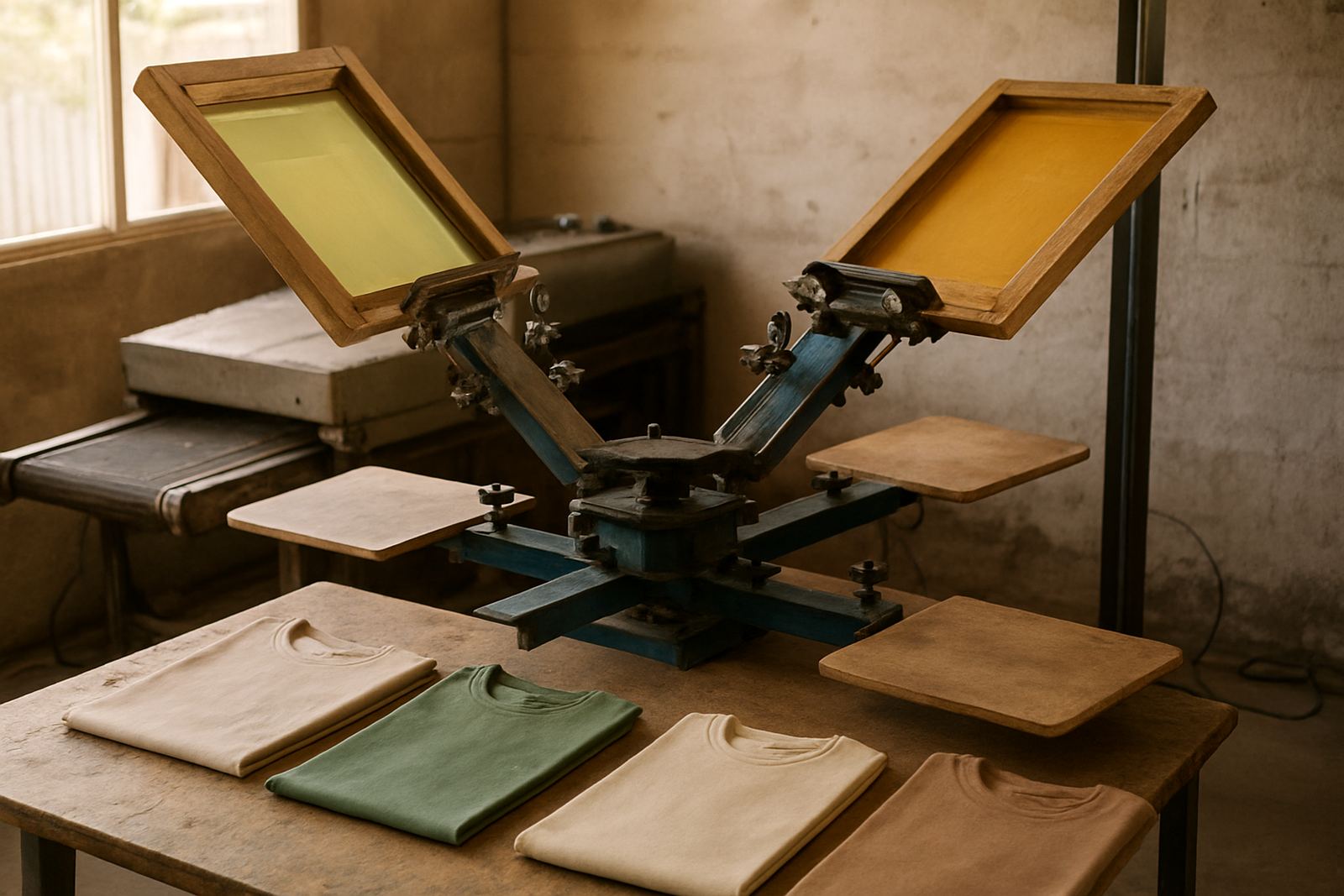
Screen printing suits market wear because it handles repeated washing and regular wear better than many quick one-off methods. It is a sensible choice when you need the same logo on tees, aprons and caps, or when you want the same design to return across multiple batches through the year. For traders with stalls in Jeffreys Bay, Cape St Francis or Kareedouw, the value is not just in the print itself but in how well it keeps your team looking organised during busy trade days.
We work on repeat order support, colour matching and sample strike-offs when the artwork needs checking before the full run. That helps avoid surprises, especially when the print must sit neatly on dark fabric or on a garment that will be used outdoors. If you want a practical branded set for market trading, think in terms of visibility, comfort and washing rather than just a logo on cloth. Done properly, the clothing becomes part of the stall setup and not an afterthought.
Whether you are just starting out or refreshing an existing stall, a small well planned print order can improve how customers read your brand from the first glance. It also keeps the team looking like one unit, which is useful when you are handling cash, stock and customer questions at the same time.