
Why one big merch order often causes problems later
Many clubs try to print everything at once, then hope the sizes, numbers and team needs stay the same until year end. In practice, people join late, committee members change and sponsors want their names added after the first match or fundraiser. By November, that once-perfect bulk order often has the wrong mix of sizes or too much stock sitting in a storeroom.
For Jeffreys Bay clubs, the local conditions also matter. Coastal humidity can affect how garments are stored, and busy sports seasons often overlap with school events, winter fixtures and holiday tournaments. When you spread your merchandise into smaller runs, you reduce the pressure on one date, one artwork approval and one payment deadline. That matters when the municipality books event spaces early, or when a club must work around load-shedding and supplier lead times.
A year-round plan is simpler: print what you need now, then add the next drop when the next event, trip or intake arrives. It is a practical way to keep your members looking consistent without carrying unnecessary stock.
Plan drops around your club calendar, not the printer's calendar
The best merch plan starts with the club calendar. Look at the season in blocks instead of one long order. Most clubs in Kouga can break the year into registrations, winter kit, mid-season promotions, school holidays, end-of-season awards and next-year sign-ups. Each block needs different items, quantities and sizes.
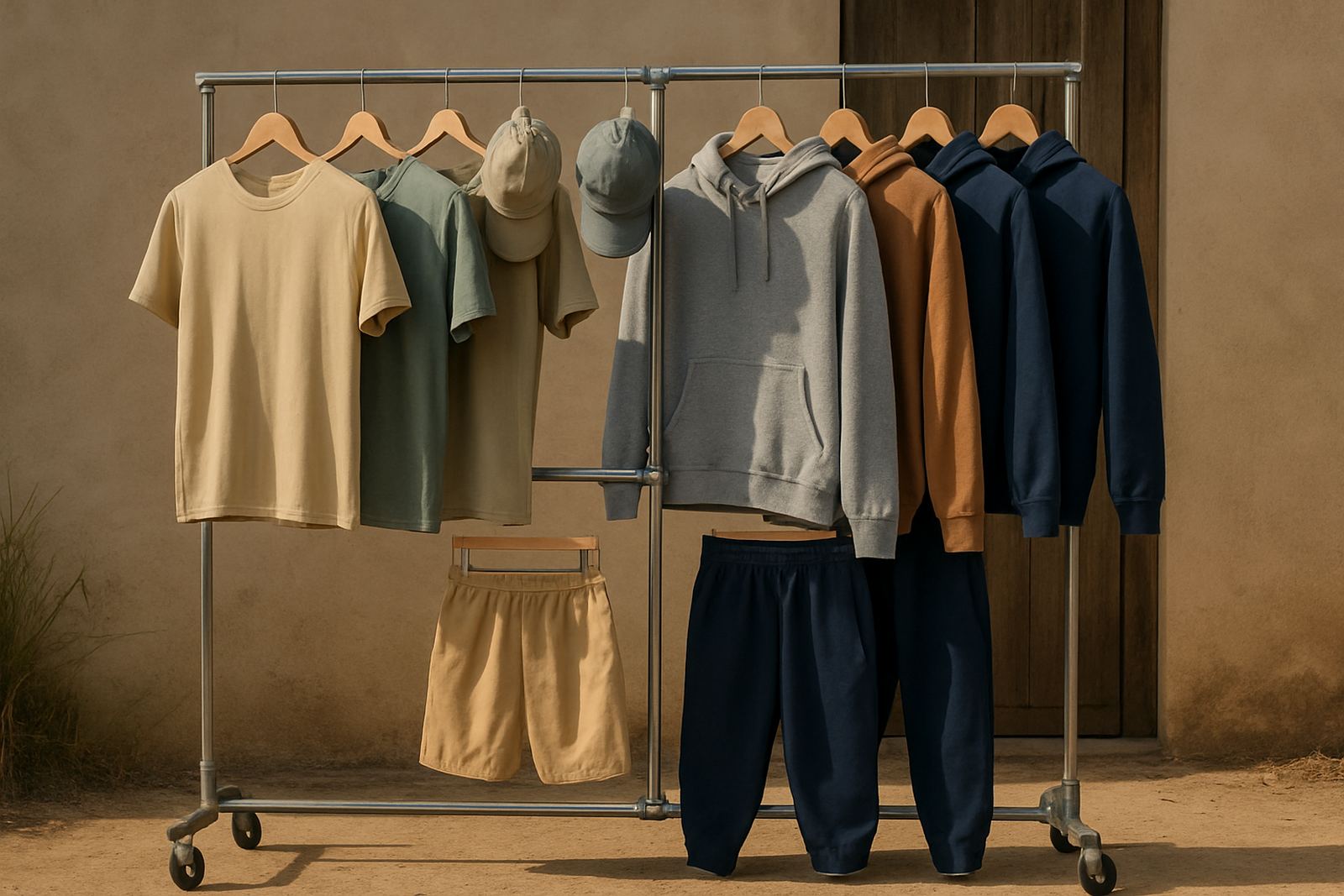
A good rule is to keep the core items in repeat order support. That might be a standard T-shirt, hoodie or cap that stays consistent all year. Then add event wear or special prints as needed. This makes ordering easier for committees because you are only changing a few details at a time, not starting over with a full list.
- Registration drop: shirts, caps and welcome packs
- Mid-season drop: hoodies, warm-up tops and supporter wear
- Tournament drop: oversize back prints, sleeve prints and event tees
- Year-end drop: awards shirts, staff wear and farewell items
When the plan is tied to actual dates, you can order in smaller batches and avoid the panic that comes with a last-minute fixture change or a sponsor artwork update.
Keep the artwork simple so every reprint matches the last one
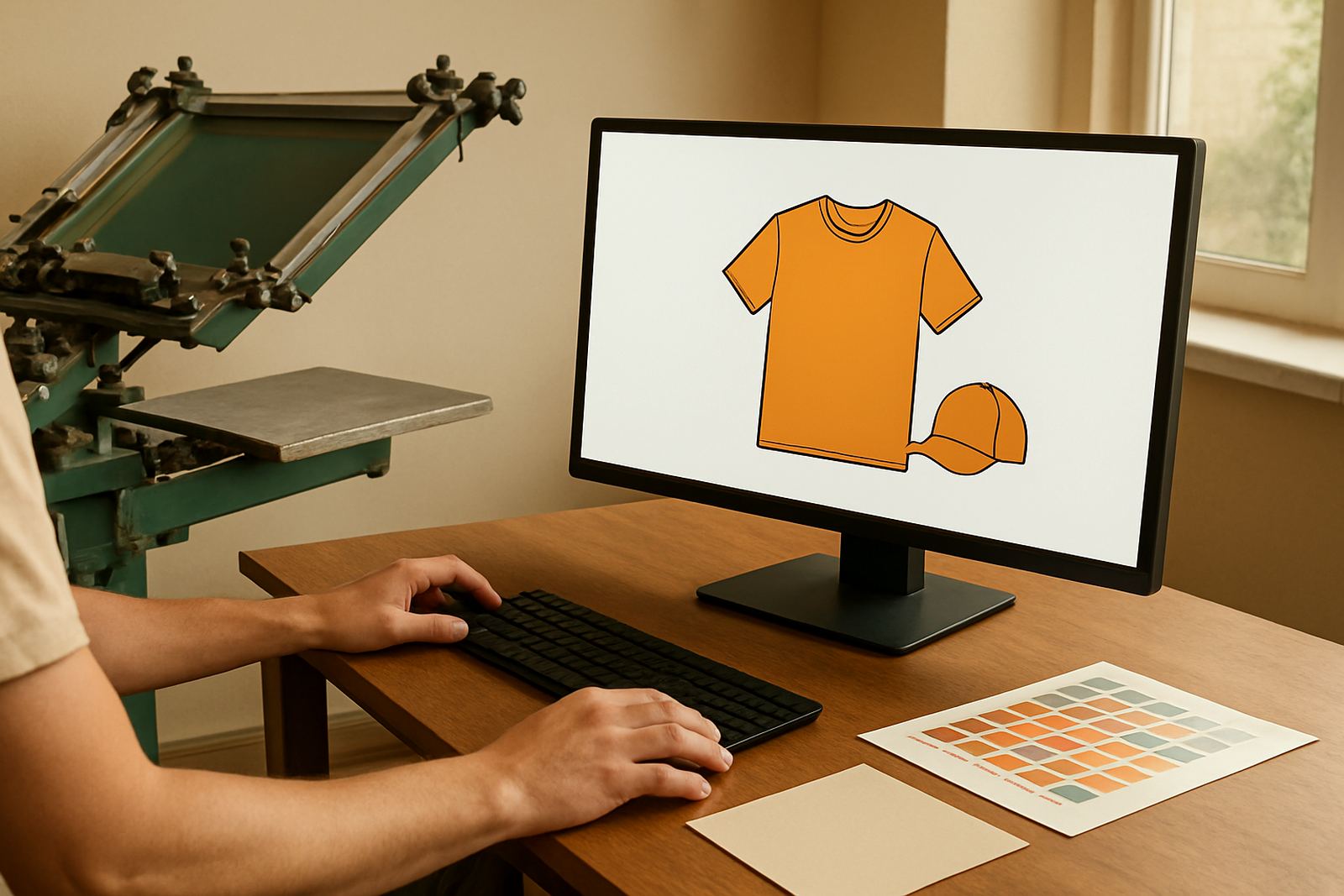
Clubs often lose time when the artwork changes too much between drops. A better method is to lock in the basics early. Keep the logo placement, ink colours and garment colours consistent, then only update names, dates or sponsors where needed. That makes reprints faster and keeps the club looking organised across the season.
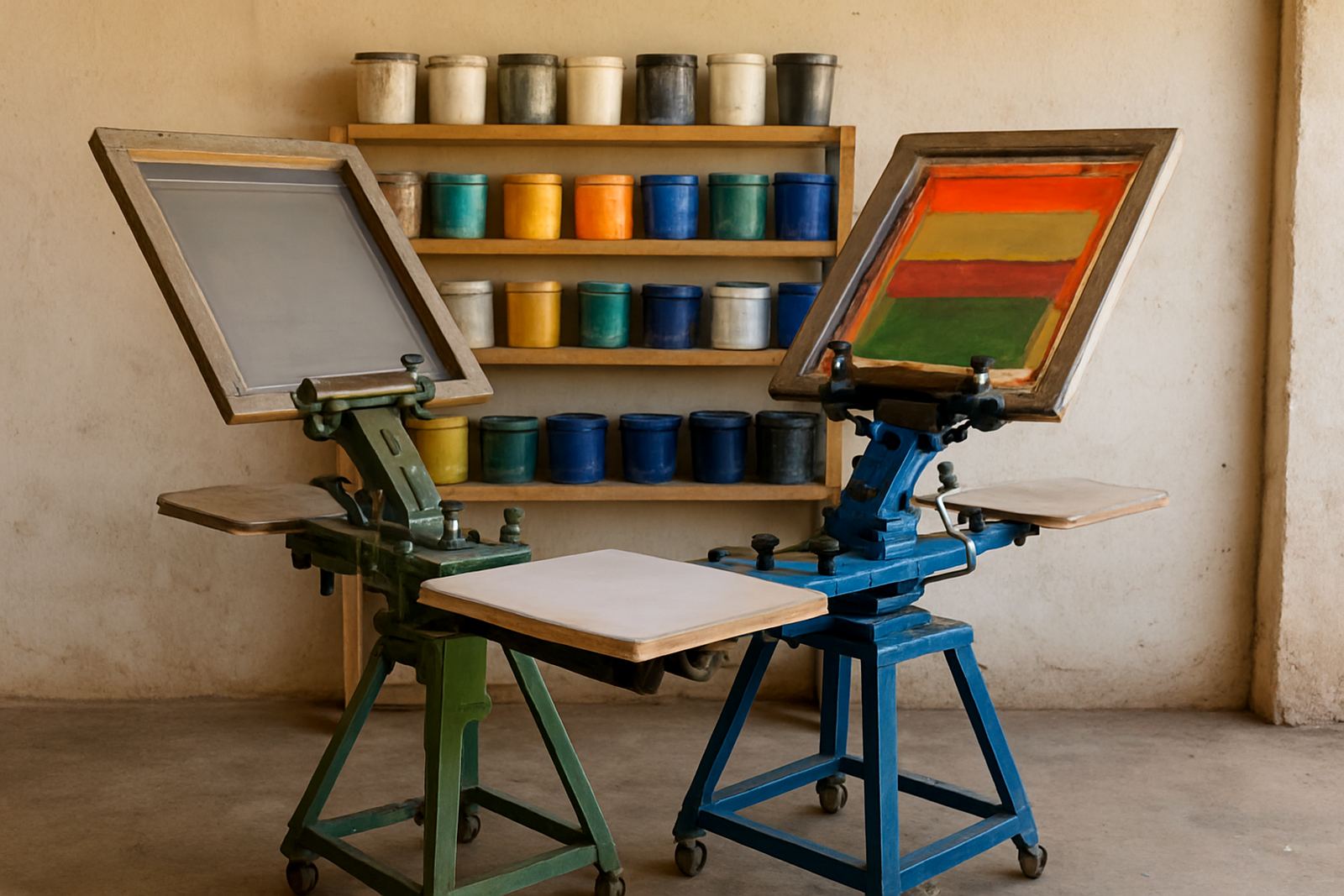
Screen printing works well for this because once the artwork is set, repeat orders are straightforward. For one-colour prints, the look is clean and cost-effective. For multi-colour prints, colour matching helps keep the club badge or sponsor logo looking right from one batch to the next. If you need a sample strike-off before a larger run, that can help avoid costly mistakes.
At Brand-On Screen Printing in the Jeffreys Bay industrial area, the team handles artwork setup, production and finishing in-house. That makes it easier to keep a repeat order moving when the next drop is due. It also helps when a committee member sends a fresh list at short notice, because the original setup can be used again with only minor changes.
Smaller drops help with cash flow and stock control
Many clubs do not have the budget to pay for a full season's stock in one go. Smaller drops spread the cost across the year, which is easier for school committees, community clubs and volunteer-run teams. Instead of paying for 200 shirts upfront, you might print 40 now, 60 later and another 40 for a special event.
This approach also reduces dead stock. If a size is unpopular or an event gets cancelled, the club is not stuck with boxes of unsold garments. You can keep quantities tighter and order more accurately based on real demand. It is especially useful for surf-town clubs and coastal teams where sizes, styles and weather needs can change quickly.
- Less money tied up in stock
- Fewer leftover sizes at season end
- Better control over sponsor changes
- Easy to add names, numbers or event dates later
For clubs in Humansdorp, St Francis Bay, Cape St Francis, Oyster Bay, Kareedouw and Gqeberha, this can be the difference between a rushed once-off order and a calmer, better managed year.
What works best for clubs in Jeffreys Bay and nearby towns
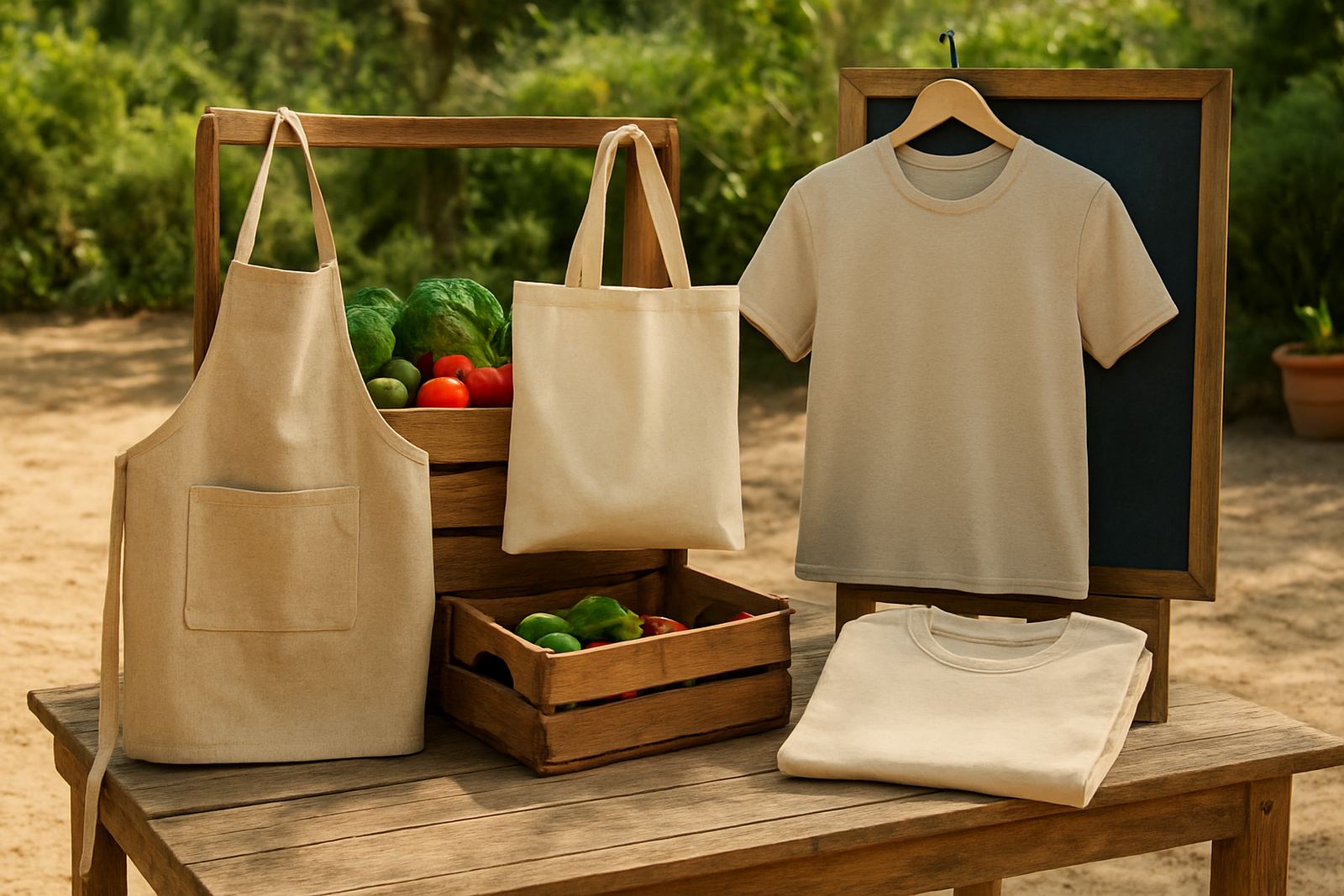
Local clubs usually need garments that can handle regular wear, washing and travel. Hoodies are useful for early-morning training and winter sidelines. Caps work well for supporters, volunteers and tournament staff. T-shirts remain the easiest option for mixed groups, because they fit most body types and suit both training and event use.
If your club is based near the coast, think about storage and handling too. Garments packed too tightly in damp conditions can pick up a smell or crease badly, so folding and bagging after printing can make a difference. Bulk packing also helps when items need to be handed out at registration, school meetings or clubhouse events.
Common club items that suit staggered drops include:
- Supporter T-shirts for fundraising
- Hoodies for winter training and travel
- Caps for committees and volunteers
- Team kit for matches and tours
- Event wear for festivals, drives and club days
Because the area includes both inland and coastal conditions, a club may need different items for different months. A single yearly order rarely covers that properly.
A practical example from a local club season
Say a Jeffreys Bay rugby club wants new clothing for 50 players, 20 committee members and a small supporter range. Instead of printing everything in January, the club can split the year into three drops. The first drop covers registrations and training shirts. The second covers winter hoodies and travel wear. The third covers end-of-season supporter stock and awards items.
That way, if a sponsor changes mid-season or a new junior group joins, the club can update the next batch without wasting the earlier stock. The same approach works for schools, surf clubs, cricket teams and social clubs. It gives each group room to grow without overcommitting on size ratios or artwork that may change.
For clubs that rely on volunteers, this is also less stressful. There is no need to collect every order form at once, chase one big payment and hope every garment arrives in time. A simpler schedule means fewer mistakes and better results, which is what most committees need.
How to keep your next merch drop moving
The easiest club orders are the ones with clear details from the start. Decide the item list, sizes, colours, print positions and delivery date before asking members to pay. If you are doing repeat order support, keep the last approved artwork on file and only update what has changed.
When you are ready, the enquiry form on the contact page is the best way to start. Include the club name, town, quantities and the kind of drop you want. That helps the team sort artwork setup, colour matching and production planning without unnecessary back and forth.
Useful details to send with your enquiry:
- Club name and town
- Garment type and colour
- Sizes and quantities per item
- Print positions such as chest, back or sleeve
- Need for folding, bagging or bulk packing
A year-round plan is not about printing more. It is about printing at the right time, in the right quantities, so the club stays ready for the next match, fundraiser or event.