
Start With the Numbers Before the Boxes Arrive
Good distribution begins before printing starts. Count the people properly, confirm the size run, and decide who gets what before the first shirt is folded. For a school sports day, charity run or surf contest in Jeffreys Bay, a clean list saves hours later and helps you avoid last minute panic when someone says they needed two extra larges.
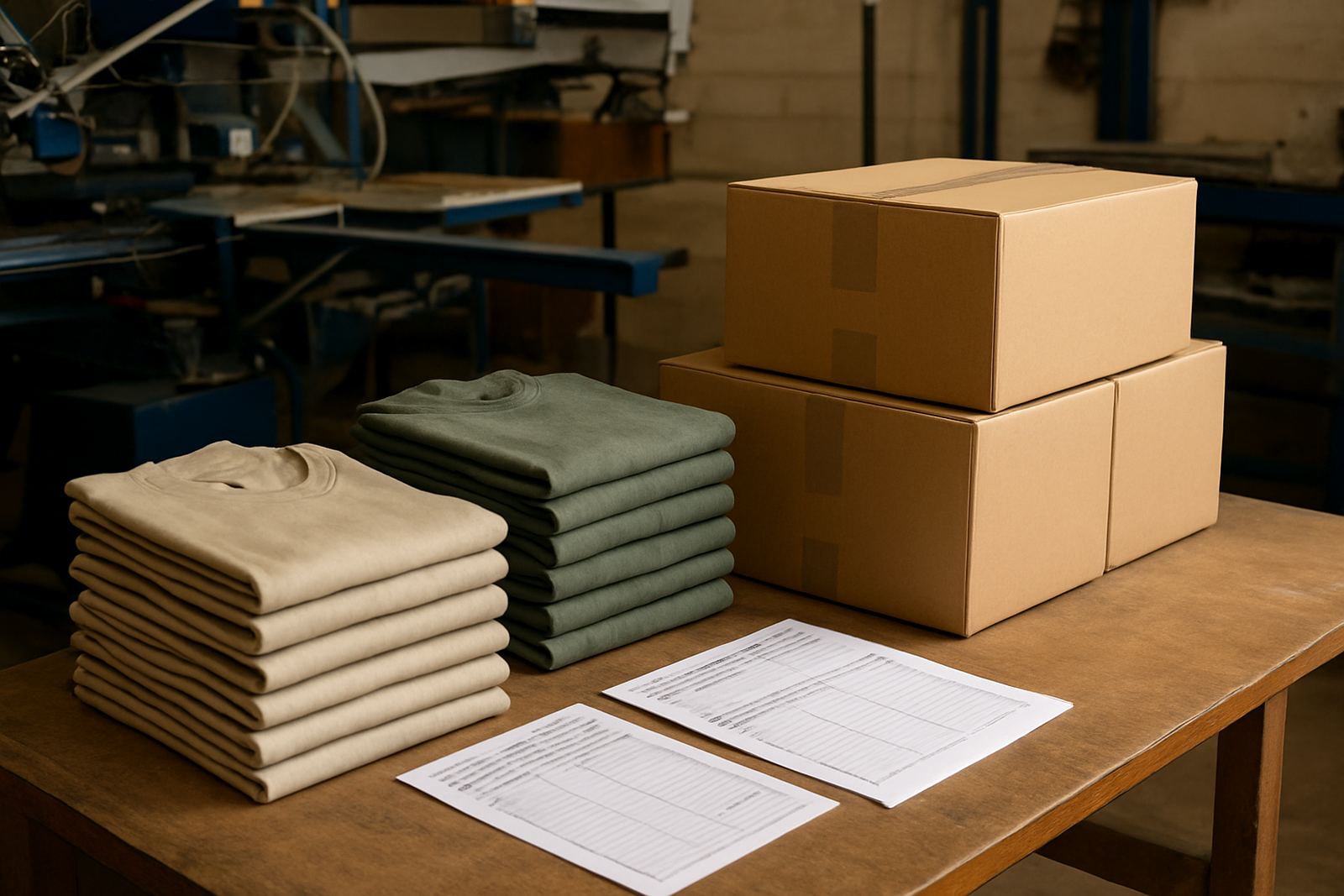
We always suggest matching the order list to the final delivery list, not the original guesswork. If you know there are 42 volunteers, 18 crew shirts, 10 sponsors, and 6 spares, you can split the order into clear groups and keep each pack separate. That way the boxes arrive ready for the event table, not as a pile that still needs sorting under pressure.
- Count by role first: staff, volunteers, competitors, learners, sponsors.
- Lock in sizes early, especially for youth and ladies fits.
- Add a small overrun for replacements and late arrivals.
- Mark any special items such as long sleeves, hoodies, or caps.
Use Size Runs That Match Real People, Not Wishful Thinking
Event shirt problems usually start with poor size planning. If you order too many medium shirts and too few extra large shirts, the packing team has to reshuffle in a hurry. A proper size run should reflect the actual group, not a neat row on paper. School teams, club members and work crews in Kouga often have a wide spread of body sizes, so the breakdown should be based on real names where possible.
It also helps to keep youth sizes separate from adult sizes from the start. Mixing them together during sorting invites mistakes, especially when the venue is busy and the weather is hot. In coastal conditions around St Francis Bay and Cape St Francis, people want a shirt that fits well and feels comfortable, so getting the size right matters just as much as the print itself.
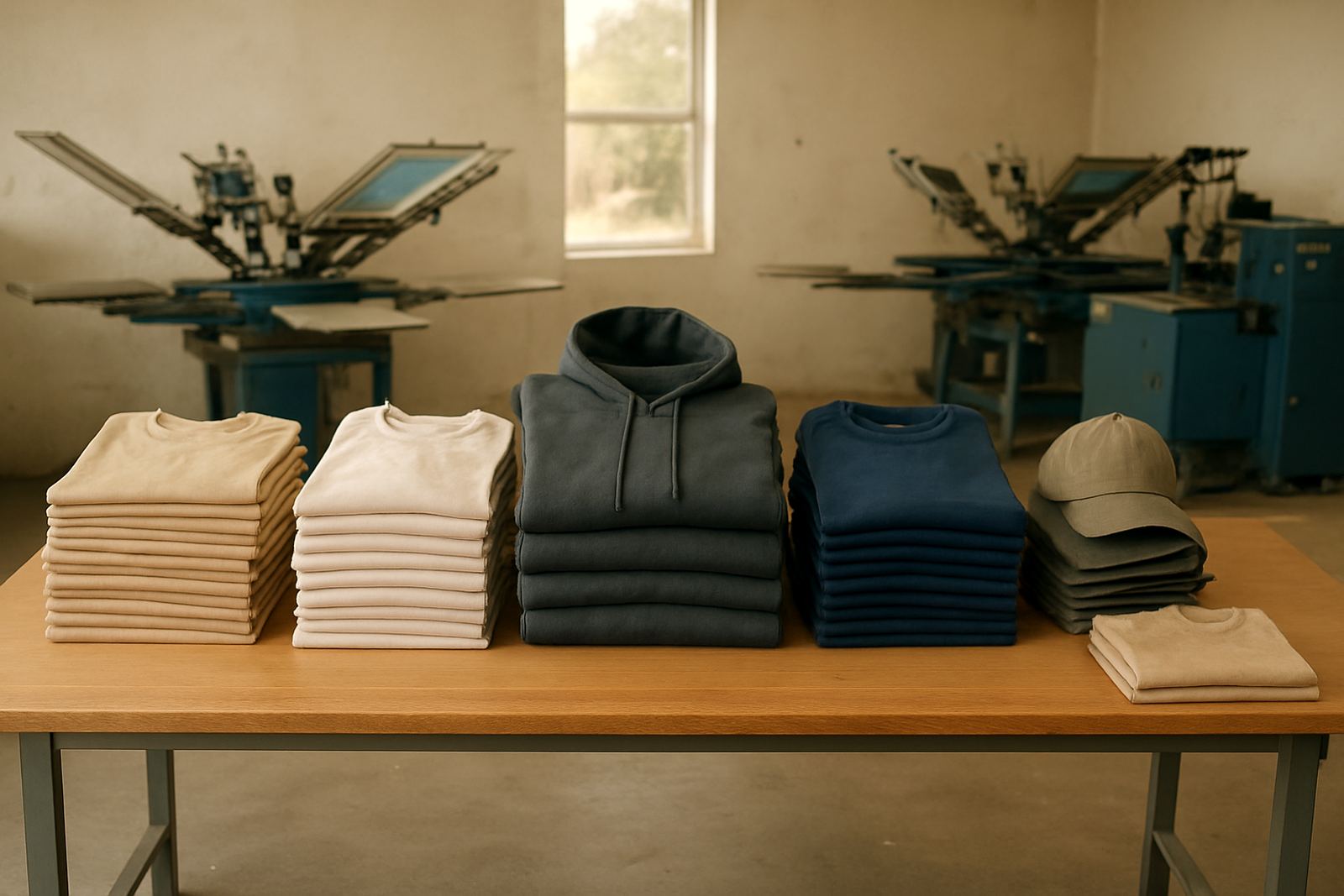
- Separate youth, ladies and adult sizes into different piles or cartons.
- Label each pile clearly with the size and quantity.
- Keep a printed size count sheet inside every box.
- If the event is near the sea, choose breathable cotton or a lighter blend where possible.
Pack by Team, Not Just by Size
Sorting by size alone is useful, but event handouts usually work better when each pack is tied to a person, team or function. A runner should not have to dig through a box to find their shirt. Neither should a marshal, teacher, or club captain. Put the garment, any extras, and the correct label into one pack so the handout table can move quickly.
For bigger events in Gqeberha or along the Kouga coast, we often suggest colour coding by group. For example, volunteers can have blue stickers, staff green, and sponsors white. That makes it easier to hand out 200 shirts in batches without mixing them up. If the event is split across multiple venues, such as Jeffreys Bay and Humansdorp, the packs can be sorted by location before they leave the finishing table.
- Use one bag or bundle per person or per group.
- Place the name list on the outside of the carton or crate.
- Keep special items like caps or hoodies with the correct shirt pack.
- Separate first shift and second shift wear if the event runs all day.
Choose Folding and Bagging That Works in Wind and Humidity
Along the coast, loose garments can pick up dust, moisture and static while they wait to be handed out. That is why neat folding and simple bagging make a real difference. A clean fold protects the print, keeps the shirt presentable, and helps the person on the handout table identify sizes at a glance. In the Jeffreys Bay industrial area, where loading and unloading can happen in breezy conditions, neat packing saves time and keeps the order looking professional.
For rainy weather, damp grass, or a long wait before the event starts, pack shirts in sealed or partly sealed bags so they stay dry and easy to carry. If you are handing out on a sports field or at a school hall, bags with clear labels also reduce the chance of mix ups. It is a simple step, but it stops a lot of small problems before they begin.
- Fold all shirts the same way so the print faces the same direction.
- Use clear labels with name, size and group.
- Keep packs off the floor and away from wet surfaces.
- Store cartons in a cool area out of direct sun before collection.
Print Labels That Save Time at the Handout Table
When people are lining up, nobody wants to read tiny handwriting on the side of a box. Clear labels make the whole process smoother. A good label should show the group name, size count, date and any special notes such as sponsor shirt, late addition or replacement. That information lets the person on the table move fast without opening every pack.
We also recommend keeping one master list with the same wording used on every carton. If one box says Team A and another says Team Alpha, the chance of confusion goes up. The same applies to event names, especially when a school, club, or business has several departments involved. Clear naming keeps everyone calm and helps with repeat orders later too.
- Use the same wording on the list, cartons and pickup sheet.
- Mark any urgent packs with a bright sticker.
- List replacement garments separately from the main issue stock.
- Keep a spare label set in case a box is damaged during transport.
A Jeffreys Bay Example: Surf Club Event Day
Picture a surf club in Jeffreys Bay hosting an annual coastal event with 120 shirts for competitors, coaches and volunteers. The wind picks up, the parking area gets busy, and the first people start arriving earlier than planned. If all the shirts are stacked together in one crate, the handout table slows down straight away. But if the order is packed by group, size and name, the team can hand out each batch in a few seconds.
In that kind of setting, we would split the order into separate cartons for juniors, adults, staff and event crew, with a few spare shirts set aside for last minute changes. The result is less stress, fewer calls across the crowd, and a cleaner looking event from start to finish. For organisers in Humansdorp, Oyster Bay or Kareedouw, the same system works just as well at a school gala, church fund raiser or road race.
Small local events often run on tight time windows and limited space, so packing right is not a luxury. It is what keeps the day moving when the venue is crowded and the weather is changing.
Build in Spare Shirts and Repeat Order Support
No matter how carefully an event is planned, a few extras are usually needed. Someone forgets their size, a sponsor arrives late, or a replacement is needed because of a print fault or transit issue. That is why spare shirts should be set aside before the boxes leave. It keeps the main packs untouched and gives the organiser a clean backup plan.
For groups that run yearly events, repeat order support matters too. Once the first run has been sorted properly, the next order becomes much easier. You already know the size pattern, the pack style, and the best way to label the cartons. That means less admin, fewer mistakes, and a smoother handout every time.
- Keep 3 to 5 percent extra stock where possible.
- Store the spare shirts in one marked carton only.
- Record what worked well for the next event.
- Keep the same sorting method for future print runs so the team does not have to learn it again.