
Why repeat orders should start with the last good order
Most repeat jobs do not fail because the printing is difficult. They slow down because nobody can find the right garment name, print size, artwork version or colour note from the last round. When that information is captured properly, a reorder becomes a quick check and not a full rebuild.
For schools, surf clubs, sports teams and event crews in Jeffreys Bay, that matters. Seasons change, committee members change and someone new often takes over the organising. If the old notes are clear, the next order can be matched to the same shirt style, same print position and same packing method with far less back and forth.
A good record also helps when stock shifts. Cotton and polycotton garments can change by supplier batch, and coastal humidity can affect storage if boxes sit too long in a warm room. If the original details are there, you can decide early whether to reorder the exact same item or approve a close match before the print run starts.
What to keep on file after every order
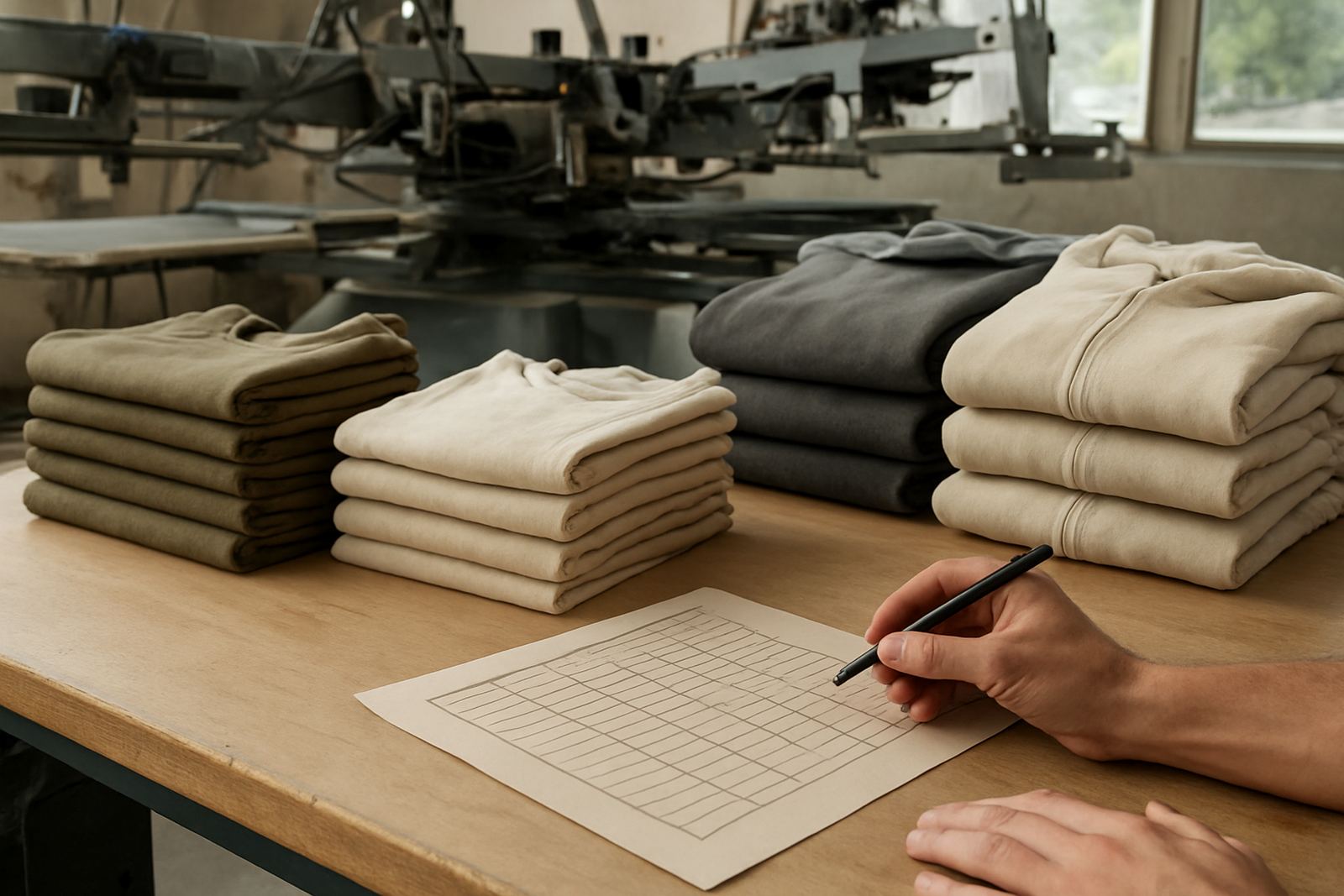
Simple records do not need to be fancy. They just need to be complete enough that the next person can understand them without guessing. At a minimum, keep the garment details, the print areas, the ink colours and the quantity split by size.
- Garment type, fabric mix and colour
- Artwork file used and any later changes
- Print locations such as front, back, sleeve or neck label
- Ink colours, especially if the same logo must match across runs
- Size breakdown for adults, youth or children
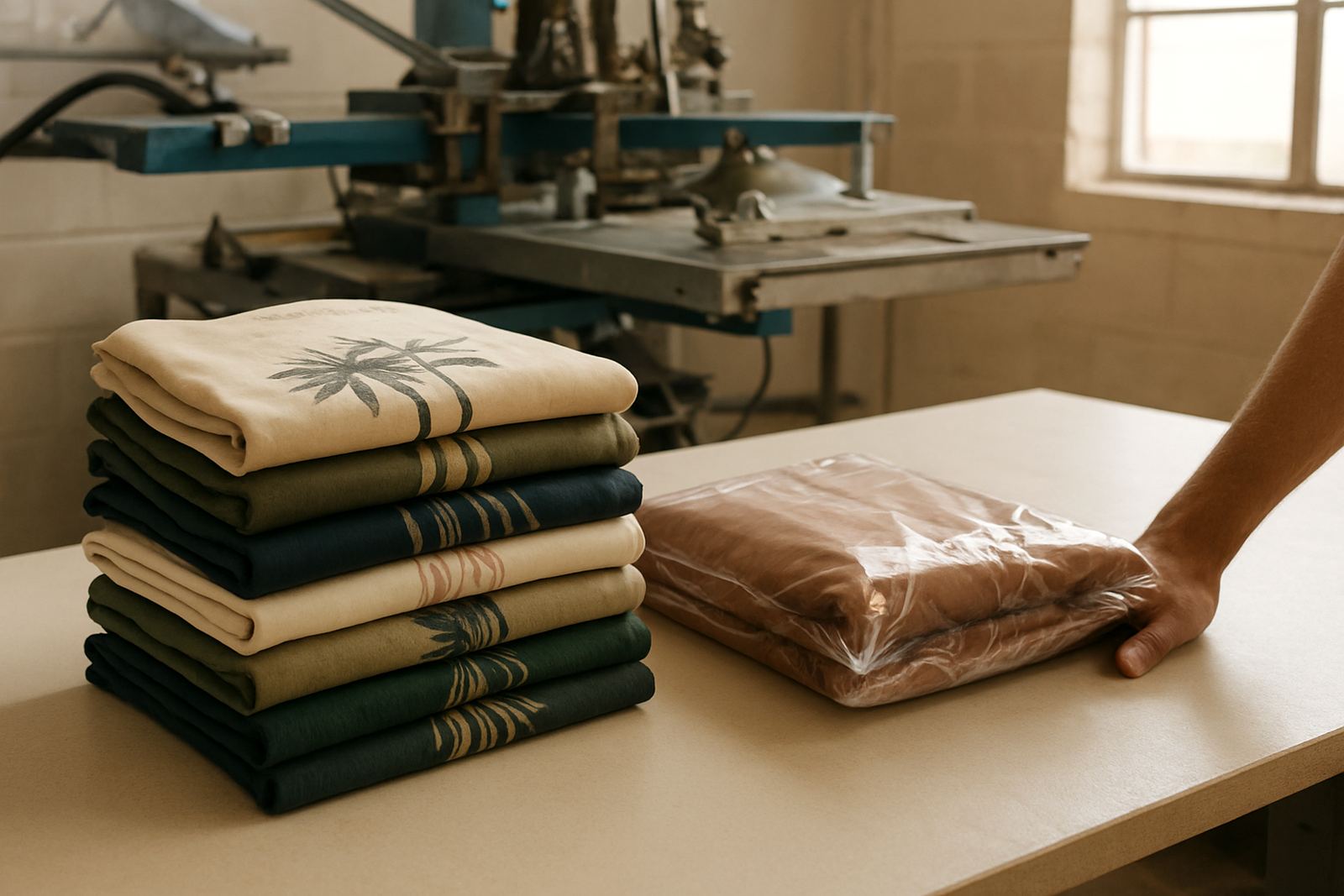
- Finishing notes such as folding, bagging or bulk packing
It also helps to note the date of the last order, who approved the sample strike-off and whether the client wanted any special layout changes. If the team badge was shifted 10 mm lower to clear a seam, write that down. Those small details save time later.
How artwork notes stop repeat order mistakes
Artwork is where repeat orders often drift. A club may have used one version of a logo in March and another in September, with tiny changes in line weight or spacing. If nobody knows which version went to press, the next run can come out slightly different from the shirts already in circulation.
That is why artwork setup records matter. Keep the approved file name, the date it was signed off and any colour matching notes. If a sponsor was added, removed or resized, record that too. It is also useful to note whether the artwork was set for one colour prints, multi-colour prints or oversize back prints, because each one needs a different setup and check.
When the organiser returns months later and says, “Make it the same as last time,” the file trail should answer that request quickly. The aim is not extra paperwork. The aim is to avoid a fresh round of guesswork on every repeat order.
A local example from Jeffreys Bay teamwear
A junior sports club in Jeffreys Bay might start with 30 tees for players and coaches, then add hoodies later in the season and caps after a fundraiser. If those orders are recorded properly, the second and third runs can be handled much faster because the sizes, print placement and garment colour are already known.
That same record helps when the order grows. Maybe the original batch was collected from the industrial area base, then the next order needs delivery to Humansdorp or St Francis Bay. With clear notes on folding and bagging, the packing can stay consistent and the handover is simpler for the organiser.
In a town like Jeffreys Bay, where clubs often work around matches, school terms and weekend events, no one wants to spend a whole morning chasing old details. A tidy record means the reprint can be lined up faster, even when the committee changes or the kit coordinator is busy elsewhere.
The small admin habits that make reorders faster
Repeat orders work best when the first order is handled with the next one in mind. That means asking a few practical questions at the start and saving the answers properly. If you do that, the next reorder is less of an admin job and more of a straightforward restock.
- Confirm the exact garment type before printing starts
- Save the agreed artwork version and print placement notes
- Record colour matches for logos, names and numbers
- Keep the final size split on file for the next round
- Note packing preferences for teams, schools or resale stock
It also helps to keep one contact person per group, even if the committee changes. One clear client liaison point avoids crossed messages about quantities and collection dates. That matters when the order needs to move quickly between Kouga towns, or when a coach wants an extra run before a tournament.
Why simple records save money, not just time
Good records reduce waste. If the order history is clear, there is less chance of ordering the wrong shirt, redoing a sample or printing a logo that no longer matches the approved version. That keeps costs under control for clubs that work on tight budgets and schools that need every Rand to go further.
Records also help with planning for bulk packing and repeat order support. If you know the last run was short on medium sizes, you can adjust the next one before production starts. If a summer event is likely to need light garments and the winter term will need hoodies, the change can be planned instead of rushed.
For coastal areas like Jeffreys Bay, Oyster Bay and Cape St Francis, this kind of planning has another benefit. Orders can be timed better around weather, deliveries and storage conditions, so the finished items spend less time sitting around before they are handed out.
A better repeat order starts with one tidy record
Handle reorders better by treating the last order as the template for the next one. Keep the details simple, accurate and easy to find. That way the next club run, school order or event reprint does not start from scratch.
At Brand-On Screen Printing, repeat orders are easier when the original details are properly logged from the start. From one colour prints to multi-colour prints, from neck label prints to oversized back logos, clear records help the work move faster and keep the result consistent. It is a practical habit, and in a busy season it can make all the difference.