
Start with the event count, not the clothing style
The best event order begins with a proper headcount. Work from confirmed attendance, then add a small buffer for late entrants, volunteers, speakers and replacements. For local events in Jeffreys Bay, Humansdorp, St Francis Bay and Gqeberha, that buffer matters because last minute additions are common and a single missing size can slow the whole handout.
For most school and club events, a buffer of 5% to 10% is sensible. For staffwear or sponsor shirts, keep one or two extras in the most common sizes. If you are ordering for a single day activation, it is often better to print a neat run of the core sizes than to chase every possible size in tiny numbers. That keeps the price per shirt lower and the sorting simpler.
- Confirm the final headcount first
- List adults, youth and junior sizes separately
- Add spares for organisers, security and media
- Keep a note of any repeat event from previous years
- Tell us if the order must be split for different groups
Choose garments that suit weather, wear time and budget
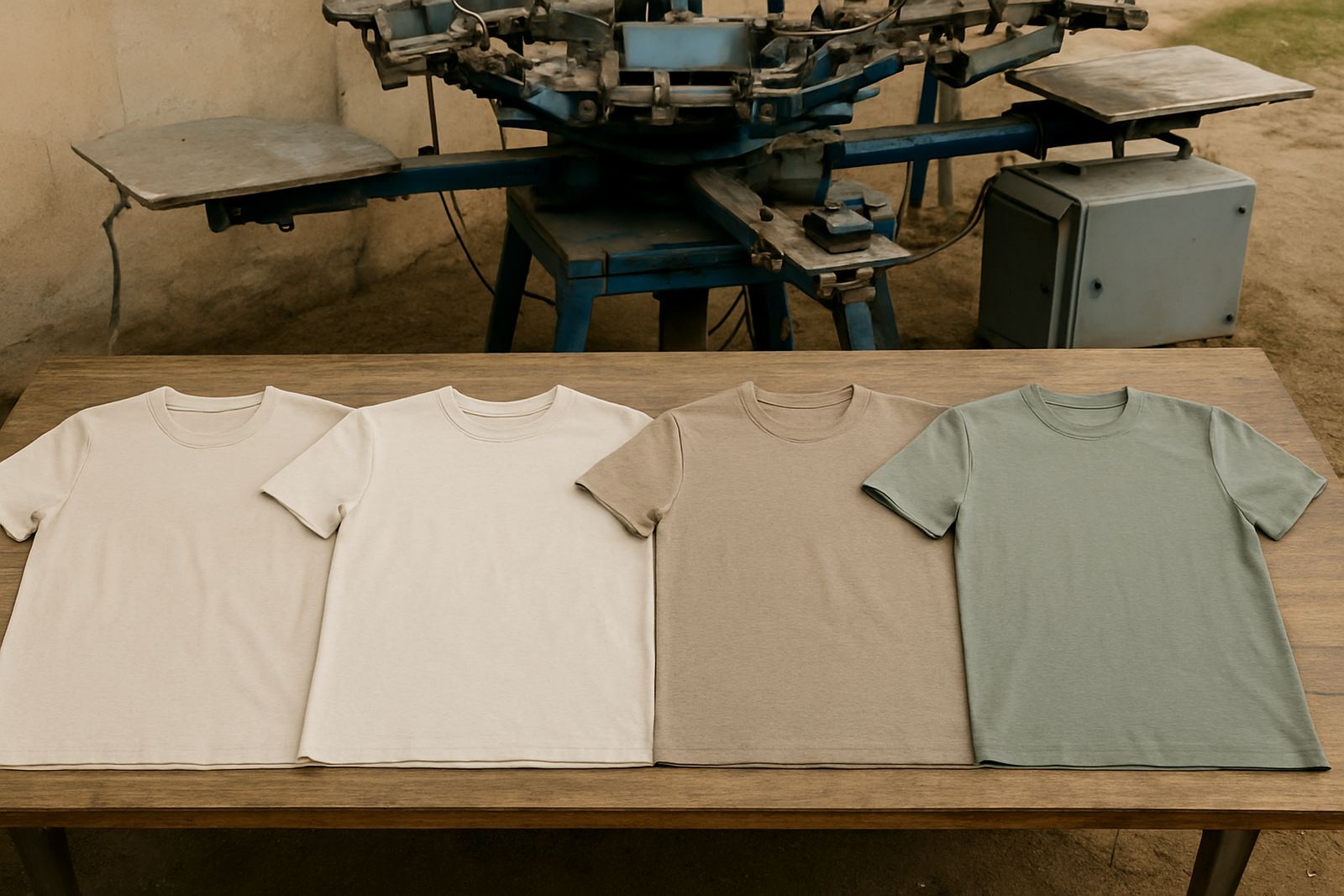
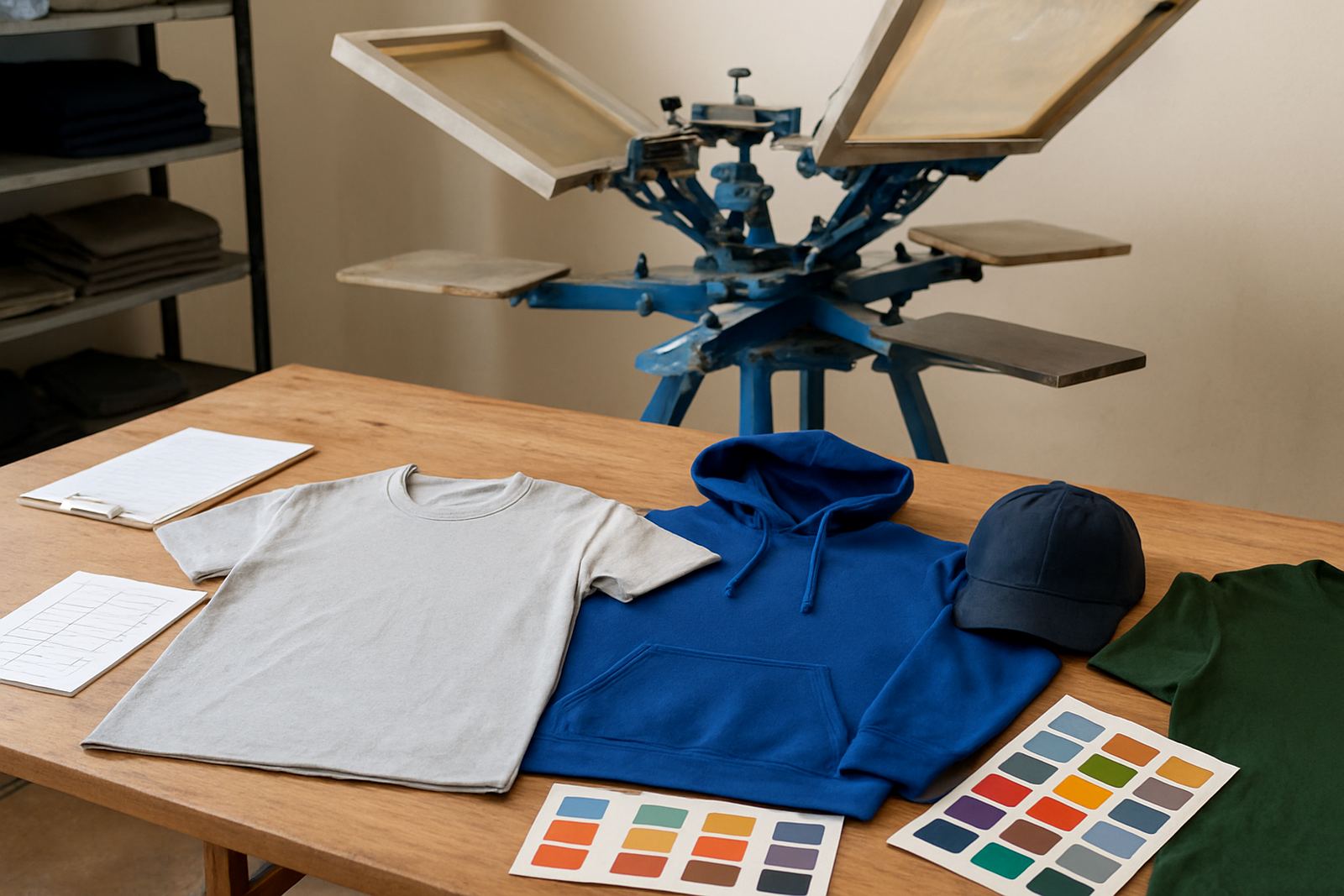
In a surf town like Jeffreys Bay, event clothing has to handle cool mornings, wind, salt air and warm midday conditions. Cotton T-shirts are a good general choice for one day wear, while polycotton works well where people need something lighter and quicker to dry. Hoodies suit winter sports days, evening events and coastal mornings, but they cost more and take up more packing space.
Caps are practical for sun protection and branding on a tighter budget. For team events or staff crews, consider a plain T-shirt with a printed back logo and small front mark. If the clothing will be used again after the event, choose a stronger knit and avoid very dark colours for summer functions where heat is a factor. We can also guide you on garment types that hold print well in humid coastal weather and after repeated washing.
- T-shirts for runs, launches and general handouts
- Hoodies for cooler seasons and evening use
- Caps for outdoor events and sponsor branding
- Team kit for schools, clubs and volunteers
- Aprons or overshirts for food stalls and activation teams
Sort the artwork early so print time stays under control
Artwork delays are one of the biggest reasons event orders run late. A clean logo, clear wording and the right print size save time on press and in finishing. If your event needs different prints for sponsors, age groups or crew roles, separate those versions at the start. It helps to know which garments need one colour prints and which need multi-colour prints before the order is approved.
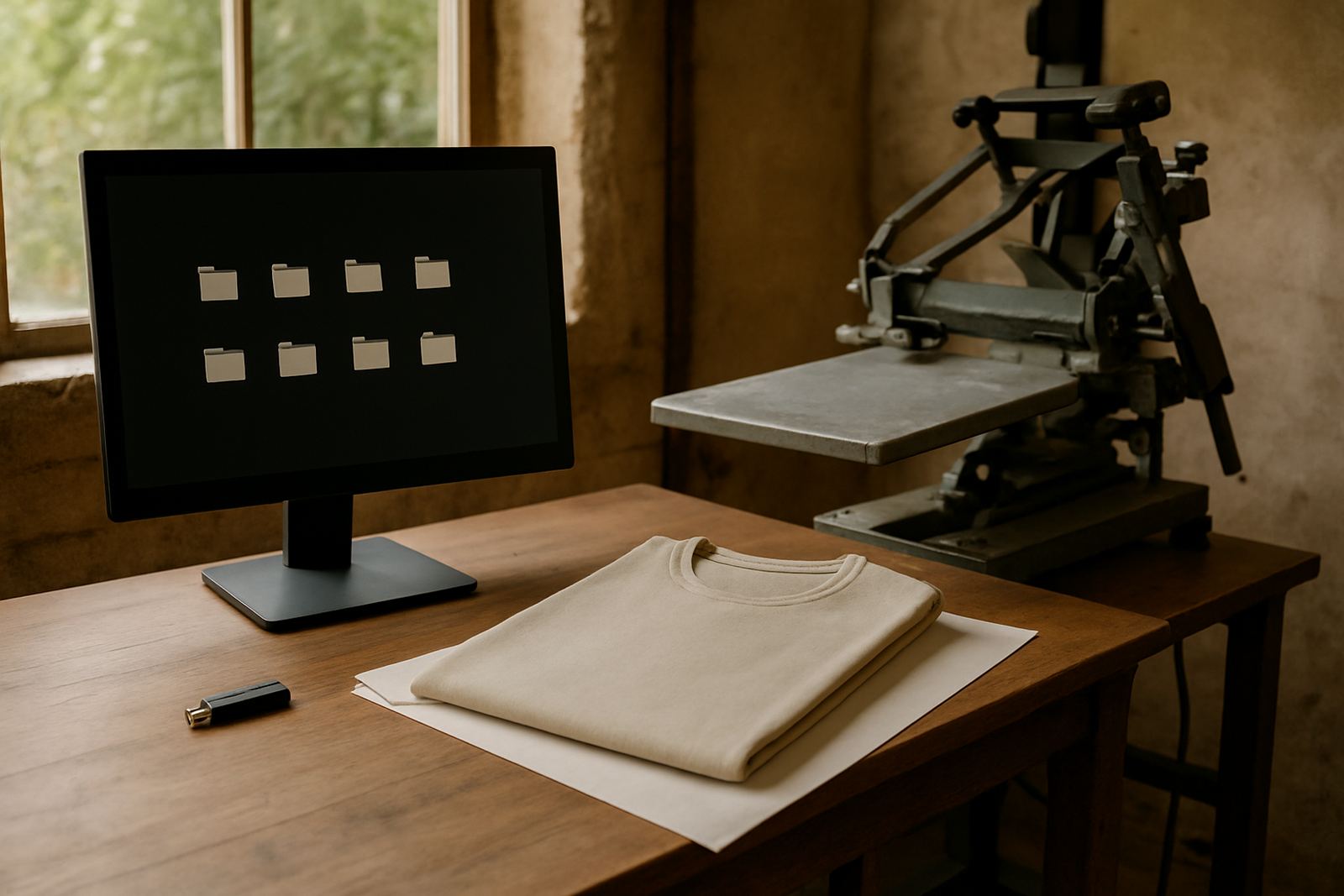
Small front marks are quick to place, while oversized back prints need more space and a careful layout. Sleeve prints and neck label prints are useful when you want extra branding without making the shirt busy. If the artwork comes from a phone photo or an old flyer, we may need a redraw so the edges print cleanly. That is where artwork setup and sample strike-offs help, because you can check positioning before the full run begins.
- Send logos in clear, high resolution format if possible
- Tell us the print size you want: chest, back or sleeve
- List all text exactly as it must appear
- Approve colour choices before production starts
- Ask for a sample strike-off if the layout is new or detailed
Plan the packing method before the shirts go into production
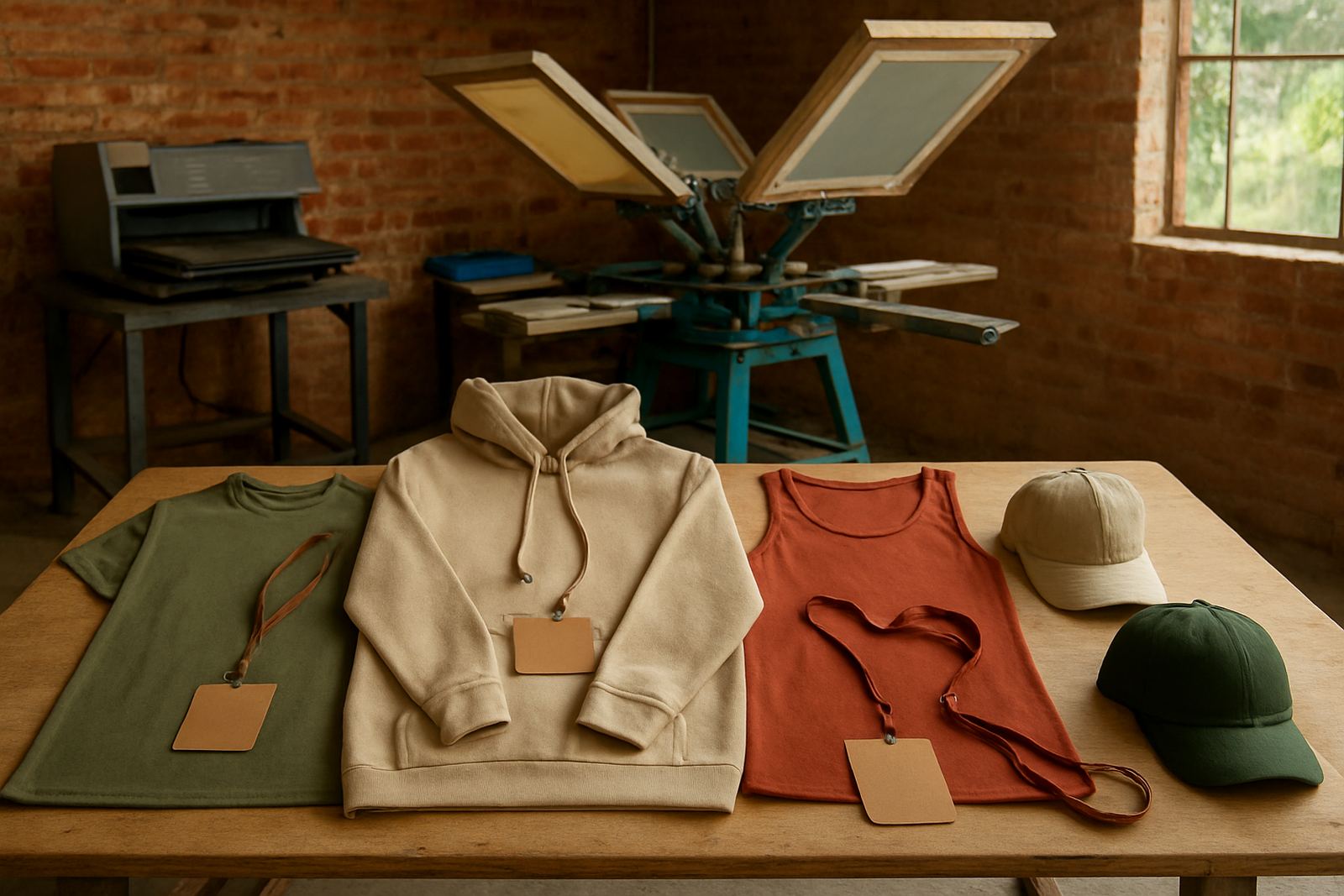
For events, packing is just as important as printing. A box of mixed sizes can create delays at registration, so decide whether the order should be sorted by size, by team, by school class or by sponsor group. Folding and bagging is useful for individual handovers, while bulk packing suits organisers who will sort items themselves on site.
If the shirts are going to several branches, or to different schools and clubs in the Kouga region, label the groups clearly. A neat packing list prevents confusion when boxes are loaded and unloaded. For wet weather or beach events, sealed packs protect shirts from dust and moisture. This is especially useful when the goods travel to Oyster Bay, Cape St Francis or out toward Kareedouw where roads and weather can change during the day.
- Decide who will sort the order on site
- Separate adult and youth sizes
- Mark volunteer, staff and VIP packs clearly
- Use bagging if shirts must stay clean before issue
- Keep a printed count for each box or bundle
Match quantities to the way people actually collect their merch
The right quantity depends on how the event works. A race entry pack is not the same as a school sports day or a market activation. If the item is included in a registration pack, you need exact counts and size splits. If it is being sold or handed out during the event, a broader mix usually works better. For repeat annual events, we can use previous order patterns to estimate size demand more accurately.
As a rule, small and medium sizes often move faster for youth and mixed crowds, while larger sizes are needed for teams, staff and adult attendees. It helps to keep the size breakdown realistic rather than trying to order equal numbers across every size. That approach can leave you with unnecessary stock. If a follow-up order is likely, it is wise to hold back a few blanks or a small reprint allowance so the event can be topped up later if needed.
Load-shedding can affect production timing, so give yourself a clear lead time before event day. A practical order window also gives space for quality checks, counting and final bagging without panic at the end. If the event is fixed and non negotiable, say so at the start so the schedule can be set properly.
Checklist for organisers before you place the order
Use this quick checklist before confirming your event apparel order. It helps avoid the common mistakes that cause shortages, reprints or mismatched packs.
- Final headcount confirmed
- Sizes listed by group
- Garment type chosen for weather and use
- Print positions agreed: front, back, sleeve or neck
- Artwork approved and spelling checked
- Colour match discussed if brand colours must be consistent
- Packing method chosen: folded, bagged or bulk packed
- Delivery or collection plan confirmed
If you are handling schools, clubs and event volunteers at once, keep one master list and one backup copy. That simple step stops confusion on the day. It also makes repeat orders easier because the next event starts with a clear record of what was used, what fit well and what should be changed next time.
What to expect from a local print partner
A local screen printer should help you choose the right garment, confirm sensible quantities and keep the handout process simple. At Brand-On Screen Printing in the Jeffreys Bay industrial area, we work with event organisers, schools, clubs and surf-town brands across Jeffreys Bay, Humansdorp, St Francis Bay and Gqeberha. The aim is straightforward: print cleanly, sort properly and keep the order practical for the people who will wear it.
Whether you need one colour prints for a coastal run, multi-colour prints for a club launch, or repeat order support for an annual event, the key is planning early and keeping the brief clear. If the order is for a function, a fund-raiser or team wear, a few extra minutes spent on size splits and packing instructions can save a lot of time later. The result is apparel that arrives ready to hand out and easier to manage from the first box to the last shirt.