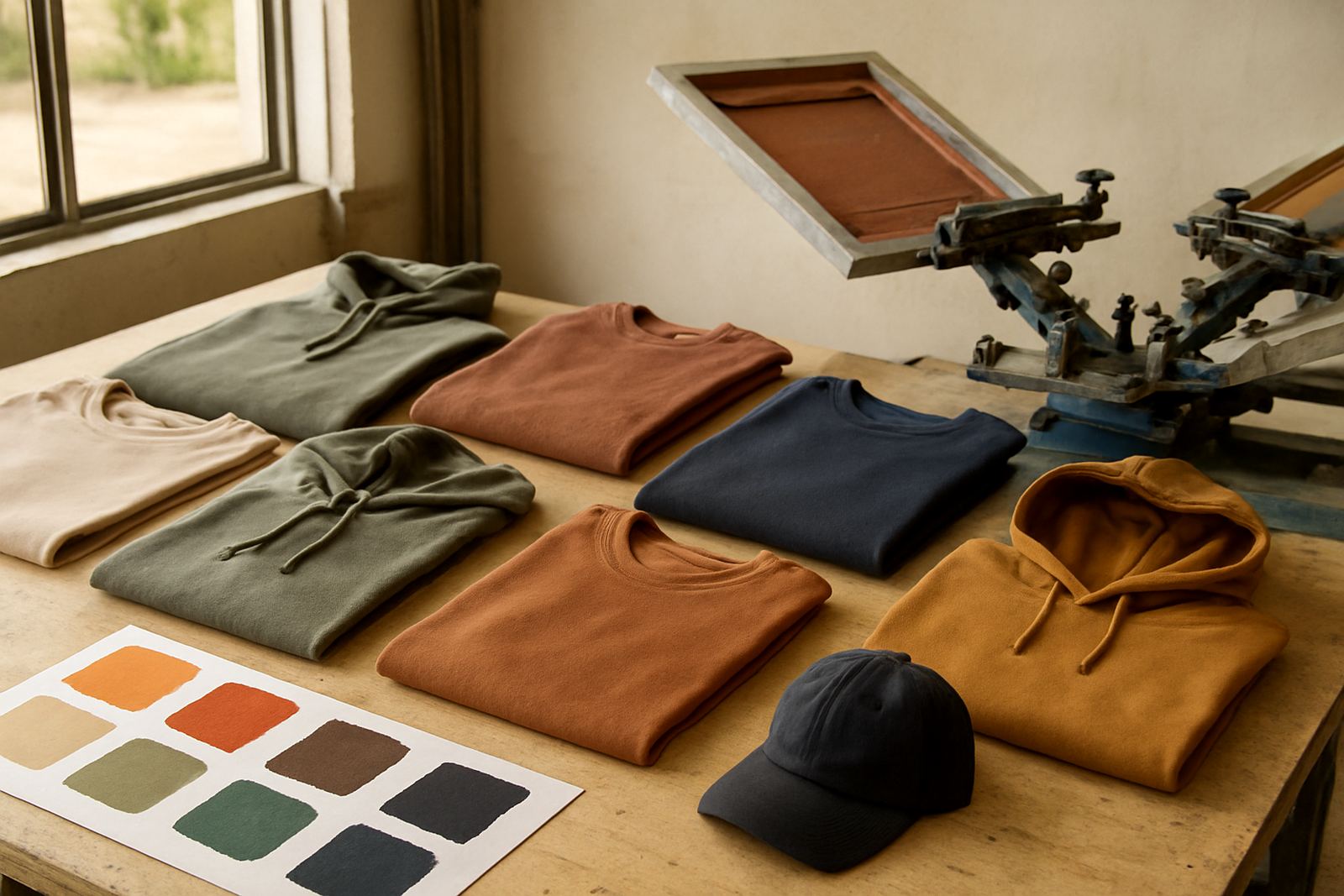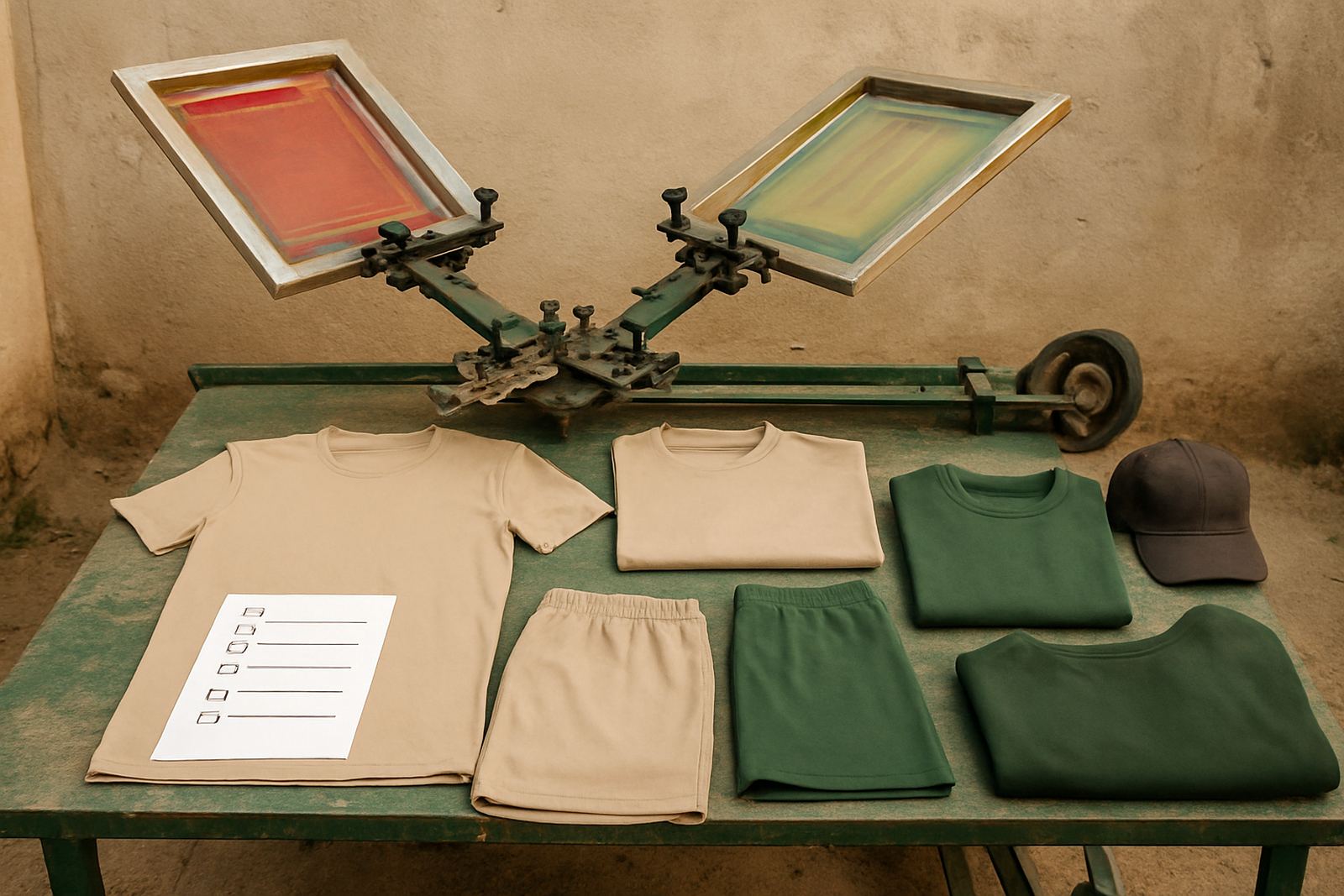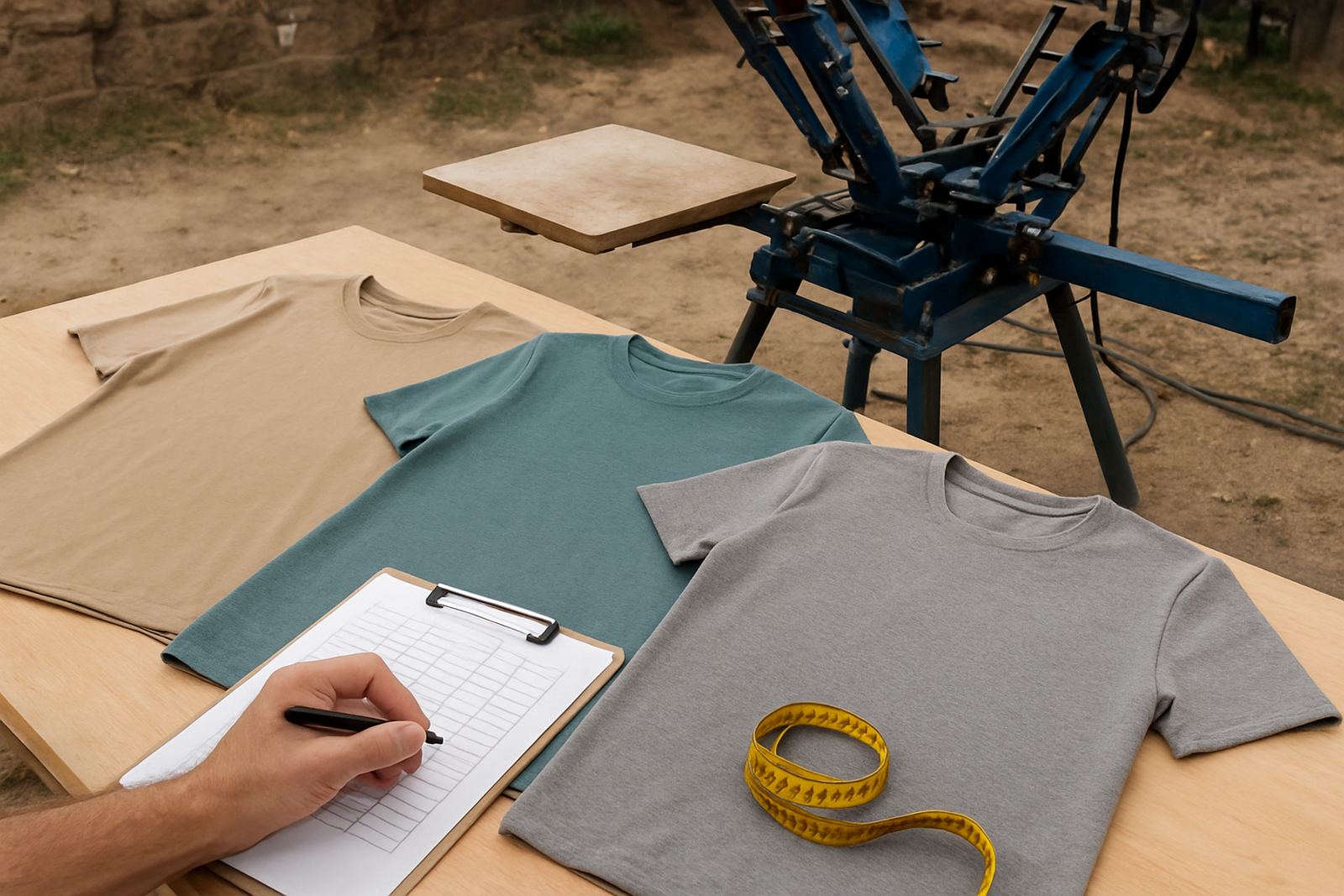

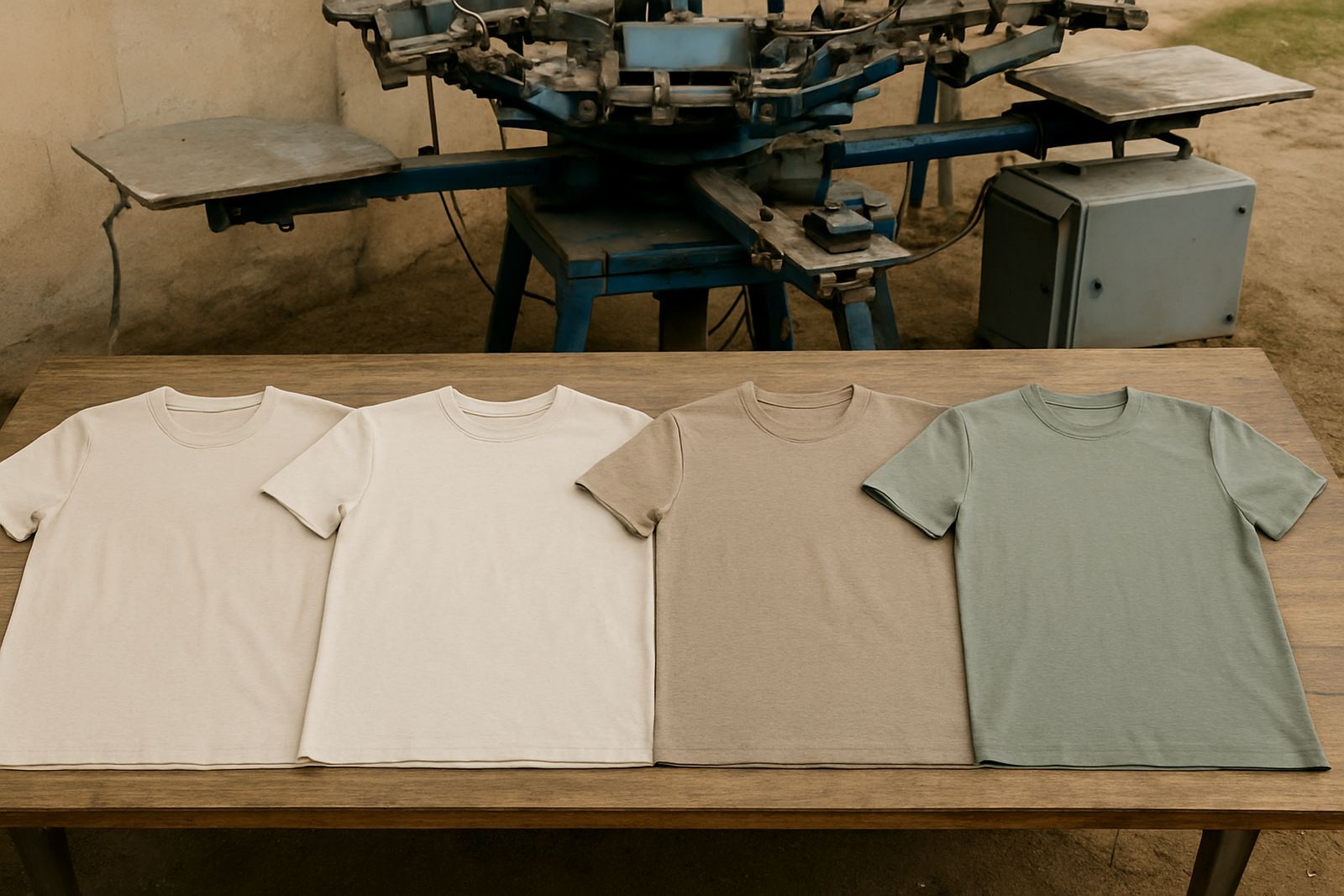
Start With How the Shirt Will Be Used
Before you pick fabric or colour, think about where the shirts will be worn. A school event shirt, a surf club shirt and a work team shirt all need different things from the garment. If the shirt is for daily wear in Jeffreys Bay or Humansdorp, comfort and wash life matter more than a fashion fit. If it is for a once-off fundraiser or a weekend event, you may lean toward a lower cost option.
Ask these basic questions first: who is wearing it, how often will it be washed, and will the print need to stand out from a distance? That answer will guide the rest of the order and help keep waste down.
- Everyday wear: choose comfort, good stitching and a fabric that holds shape.
- Event wear: keep the budget tight but still choose a shirt that prints well.
- Workwear: look for strength, colour consistency and repeat order support.
- Club wear: match the look to your badge, sponsor prints and member sizes.
Choose the Fabric That Matches the Print
The most common choice is cotton, cotton-rich or polyester blend fabric. Cotton feels soft and breathes well, which suits warmer Eastern Cape days. Cotton-rich shirts are often easier on the pocket and can still feel comfortable for regular wear. Polyester or performance fabrics are useful for active teams, but they need careful print selection so the ink bonds properly.
For screen printing, fabric choice affects how sharp the artwork looks and how the ink sits on the shirt. If you want bold one colour prints, most standard tees will work well. For fine detail or bright multi-colour artwork, you need a shirt with a stable weave and a smooth surface. In coastal areas like St Francis Bay and Cape St Francis, a shirt that keeps its shape after many washes is worth paying attention to.
- 100% cotton: soft feel, good for general printing and casual wear.
- Cotton-rich blends: practical for bulk orders and regular use.
- Polyester blends: better for sport and moisture management, but check print method.
- Heavier knits: better drape and a more substantial feel, though they cost more.
Check Weight, Fit and Finish Before You Order
Shirt weight is usually measured in grams per square metre, or GSM. A light shirt may feel cooler, but it can also be more see-through and less durable. A midweight shirt is often the best all-round option for schools, clubs and promotions. Heavier shirts feel more solid and usually suit premium uniforms or retail-style ranges.
Fit matters too. A boxy cut is often easier for mass orders because it suits many body shapes. A slimmer cut can look neat, but it may not suit every member of the team. Check the neckline, shoulder seams and sleeve length as well, because poor finish shows up quickly once the shirts are worn and washed. If possible, ask for sizes to be checked against actual chest measurements, not just size labels.
In our area, load-shedding and rushed events can mean orders get packed close to the handover date, so it helps if the size run is finalised early and properly. A small mistake here can turn into a bigger cost later.
Match the Shirt to the Print Style
Different print layouts suit different shirt types. A small left chest mark is simple and affordable. A one colour front print is often the best choice for budget campaigns and school functions. Large back prints, sleeve prints and neck labels can make a shirt look more professional, but they also change the pricing and production time.
If you want more than one print position, make sure the shirt colour gives enough contrast. A pale shirt works well for dark ink, while a dark shirt may need lighter print colours or underbase work. The cleaner the shirt surface, the clearer the final print will be. That is why artwork setup and colour matching matter, even for a simple order.
- Small logo: good for staff wear, school prefect shirts and club supporters.
- Large front print: useful for events, campaigns and sponsor messaging.
- Oversize back print: good for visibility at sports days and markets.
- Neck label print: helpful for retail feel or repeat branded stock.
Budget Smartly for Bulk Orders and Repeats
Buying shirts in bulk usually brings the unit price down, especially when the same design is repeated across a full run. It helps to keep the artwork consistent and the shirt choice steady from one order to the next. If you know you will reorder later, choose a style and colour that is easy to source again.
When comparing options, look at the total cost, not just the shirt price. Print setup, extra colours, larger print areas and special finishing all affect the final Rand amount. Folding and bagging can also save time for distribution, especially when shirts are going out to schools, event committees or branch teams across Kouga and Gqeberha.
- Order a size run that matches your actual group, not a guess.
- Keep one backup size or two if the shirts are for public use.
- Use the same shirt style for repeat orders to avoid colour or fit changes.
- Ask about sample strike-offs when artwork must be checked before the full run.
What to Bring When You Request a Quote
A clear brief makes the quote faster and more accurate. If you already know the shirt type, colour, print positions and quantity, that gives the production team a solid starting point. It also helps to mention whether the order is for Jeffreys Bay, Humansdorp, St Francis Bay or Gqeberha, since the event date and delivery timing can affect the plan.
Include the final artwork if you have it, but if you only have a rough idea that is fine too. The artwork coordinator can help with setup, colour matching and practical print sizing. If you are not sure whether a design will work, ask for advice before confirming the run. It saves rework and keeps the order moving.
- Quantity and sizes needed.
- Shirt colour and preferred fabric if known.
- Print positions such as front, back, sleeve or neck label.
- Deadline, event date and where the order will be used.
For local schools, clubs and surf-town businesses, it also helps to say whether the shirts need to handle outdoor use, frequent washing or transport in salty coastal air. That kind of detail makes a real difference.
Final Checklist Before You Place the Order
Once you have chosen the shirt, run through the last check before sending the order through. Confirm the size split, colour, print placement and quantity. Make sure names, numbers and sponsor details are correct. If the shirts are for a team kit or a recurring club order, keep a record of the approved version so future top-ups match properly.
A good T-shirt order is not just about price, it is about getting something people will actually wear. If the fabric feels right, the fit is sensible and the print suits the shirt, you are already halfway there. The rest comes down to accurate artwork and a clean production process, which is what keeps the final result looking neat.
- Have the sizes been checked twice?
- Is the shirt colour strong enough for the print?
- Have all logos, spellings and numbers been confirmed?
- Do you know where the shirts will be packed and collected?