
Start with a handout plan before the prints arrive
Good distribution starts before the first shirt is folded. Decide who will receive each item, how the groups will be named, and whether the packing should follow class, team, house, department, or event role. When that is clear, the pack line moves faster and there is less risk of mix-ups at the school hall, club rooms or sports field.
For Jeffreys Bay orders and deliveries into Humansdorp, St Francis Bay, Cape St Francis, Oyster Bay, Kareedouw and Gqeberha, it helps to send one clear list with names, sizes and group labels. If you are planning a large event or a school order, ask for repeat order support so the same naming system can be used again next term or next season.
Sort by class, team or role in one clean sequence
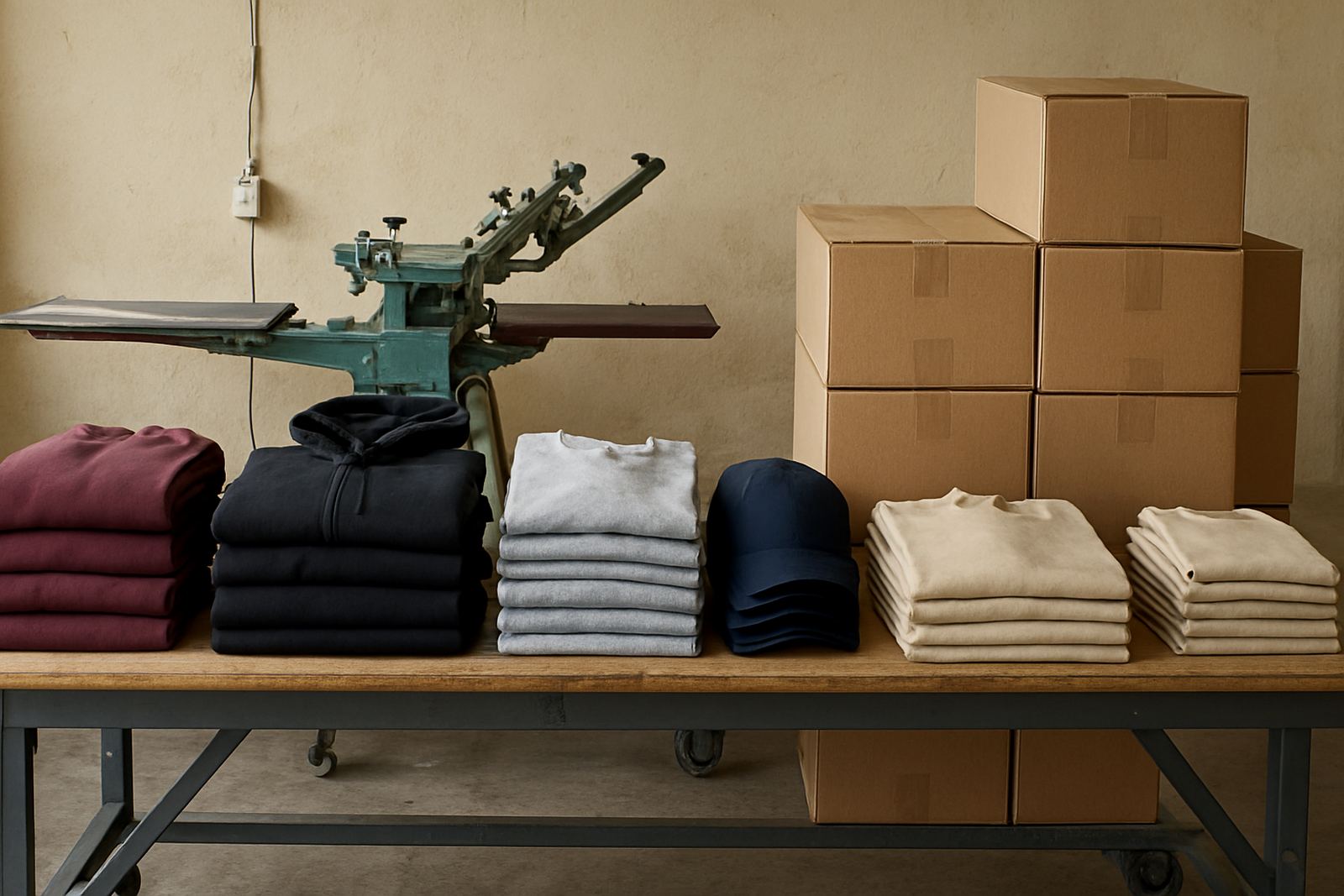
The simplest method is to make one pile for each group, then sort by size inside that pile. For example, start with Grade 8A, then Grade 8B, or First Team, second team and support staff. If you are packing for a company or club, use role names such as coach, player, volunteer, marshal or committee member. Keep the labels plain and short so nobody has to guess what belongs where.
- Group one item type at a time, such as T-shirts, then hoodies, then caps.
- Keep childrens sizes separate from adult sizes, even if the artwork is the same.
- Check that each name or role matches the final list before sealing any pack.
- Use the same label wording on boxes, bags and collection sheets.
Use size runs and counts to prevent shortages
Size errors are expensive and they slow down handover. Put all extra-small items together, then small, medium, large and so on. If your group has mixed body types, note the odd sizes early so they can be counted twice. This is especially useful for school sports days, surf-town events and club orders where one missing size can hold up the whole handout.
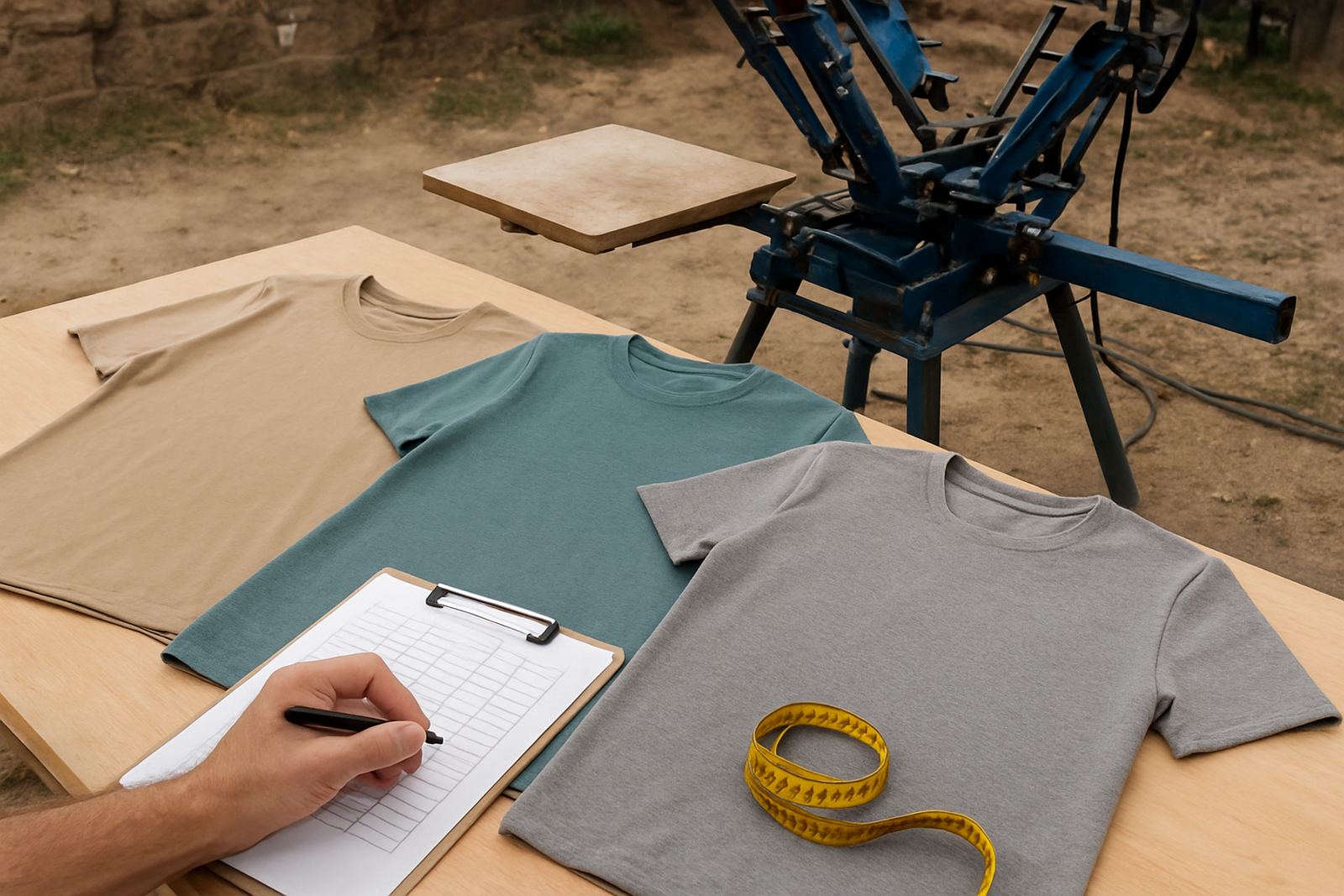
Before packing starts, check the final count against the approved order. A quick tally sheet should show the number of items per size and per group, plus any spare pieces ordered for late joiners or replacements. If you need folding and bagging for retail-style issue, ask for bulk packing in a sequence that matches your distribution table. That way the handout team can work from left to right without stopping to reshuffle bags.
Label every bag so collection is fast and calm
Clear labels cut down on questions at pickup. Write the group name, size range and count on each bag or box, then repeat it on the outer carton if you are moving stock between venues. For wet weather or coastal humidity in places like St Francis Bay and Jeffreys Bay, use labels that stay readable if the boxes stand in a school office or store room for a few days.
A good label normally includes:
- Group or class name
- Garment type
- Size range
- Number of pieces inside
- Collection point or contact person
Separate special items from the main run
Oversize back prints, sleeve printing and neck label prints often need special care in packing because they are easy to mix with standard shirts. Keep any sample strike-offs, replacement pieces and late additions in a clearly marked section. That prevents a teacher, captain or event organiser from opening the wrong packet in a rush.
If some items are going to a speaker, sponsor, coach or committee member, pack those on top of the main run or in a separate crate. This small step helps when handout happens under load-shedding conditions, in evening events, or when the team has only a short time before kickoff. A neat separation also makes it easier to check one last time that the artwork, colour and size are correct before the final handover.
Handout day checklist for schools, clubs and events
On collection day, a simple checklist keeps the process steady. Whether the order is for a school in Kouga, a surf club in the bay, or a corporate event heading out from Gqeberha, the same checks apply. Make one person responsible for signing off the counts and one person responsible for the actual distribution. That avoids confusion when several people are trying to help at once.
- Bring the final approved list and a pen
- Count every sealed bag or box before loading
- Check sizes against the names or roles
- Set aside extras for late arrivals or swaps
- Keep a record of who collected what
If you are collecting from the industrial area base in Jeffreys Bay, make sure the vehicle has enough space for flat cartons and bagged stock. Tight packing can crease garments and make sorting harder later. A little order at pickup saves a lot of chasing after the event.
When to ask for packing support from the print team
If your order is large, mixed, or going to more than one venue, it is worth asking for packing help before the job is finished. That can include folding and bagging, bulk packing by group, and repeat order support for the next campaign. Schools, clubs and local organisations often find that a consistent packing format makes the next order much easier to place.
For orders around Jeffreys Bay, Humansdorp, St Francis Bay, Cape St Francis, Oyster Bay, Kareedouw and Gqeberha, the best results come from one clear sheet with names, sizes and group notes. Keep it simple and the handout will run smoother, with fewer missing items and less last-minute sorting. A tidy pack line means your team can focus on the day itself, not the boxes.