
Start with the real use, not the number on the quote
The best print quantity is not always the biggest one. It depends on how the clothing will be used, how many sizes are needed, and whether the order is for one event or for ongoing wear. A school sports day in Jeffreys Bay may need a different quantity plan from a surf club fundraiser in St Francis Bay or a company promo run for Gqeberha visitors passing through the Kouga region.
Begin by asking what the garments must do. Are they for one day, one season, or repeated use through the year? A once-off promo shirt can be ordered tightly to the attendance count, while team kit usually needs a few extra pieces for late sign-ups, replacements and new members. If the order is for a class, club or mixed group, the final quantity should include a little buffer because people always change size, forget to confirm, or arrive after the cut-off date.
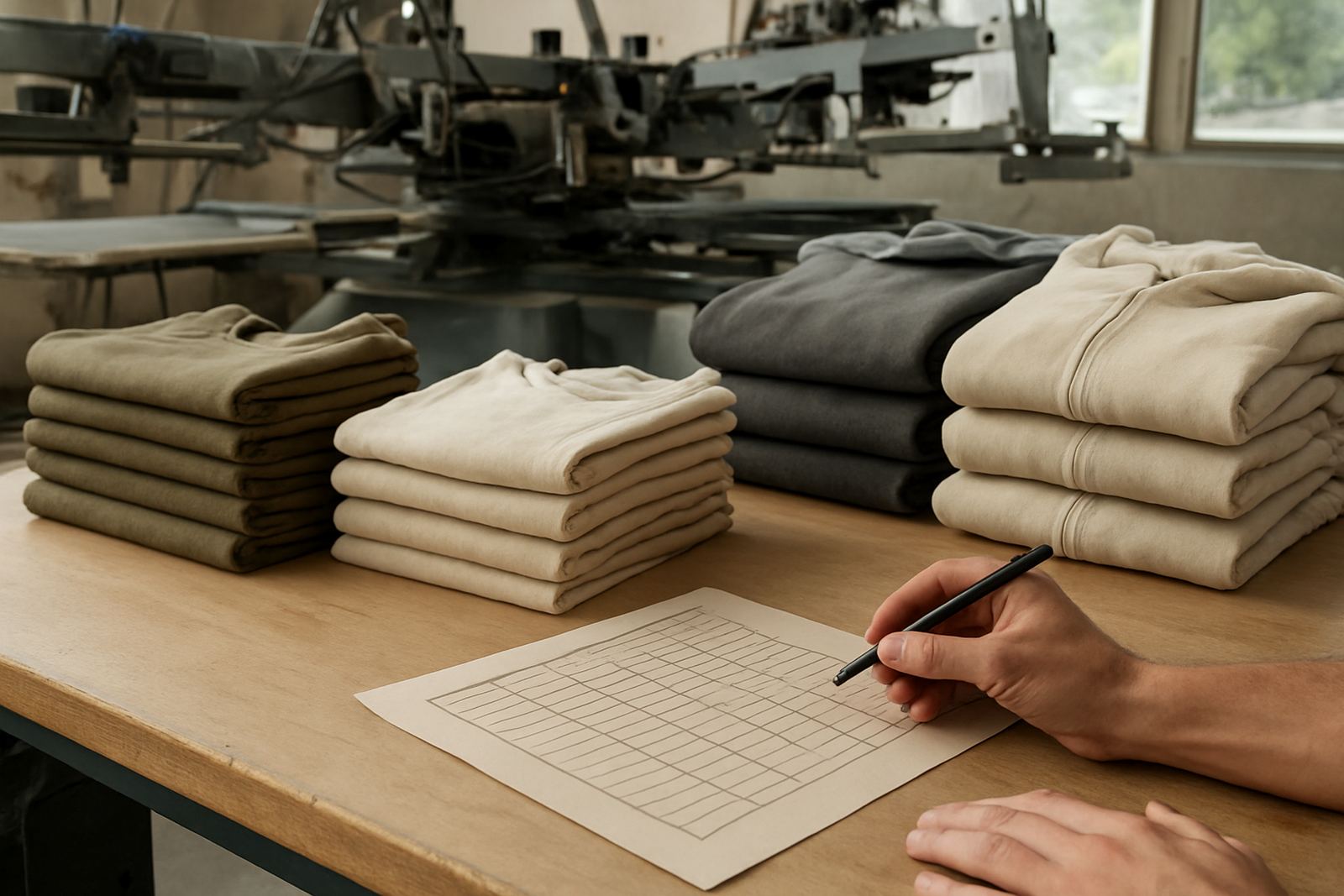
As a rule, the more mixed the group, the more careful the counting must be. A neat list of names and sizes is better than a rough guess from memory, especially when you are printing for schools, clubs and event wear in one batch.
How to count for classes and school groups
For classes, the cleanest method is to count confirmed learners first, then add extras only where needed. Schools in Humansdorp, Jeffreys Bay and Oyster Bay often need shirts for one age group, but the sizes can still vary a lot from learner to learner. Do not assume a class of 30 will all wear the same size range. Ask for sizes by name if possible, then confirm the final list before artwork is approved.
- Count confirmed learners only, not estimated attendance
- Add 1 or 2 spare shirts for absentees or replacements
- Allow for larger sizes in senior groups
- Keep a separate count for teachers or support staff
- Check whether the same print goes on T-shirts, hoodies or caps
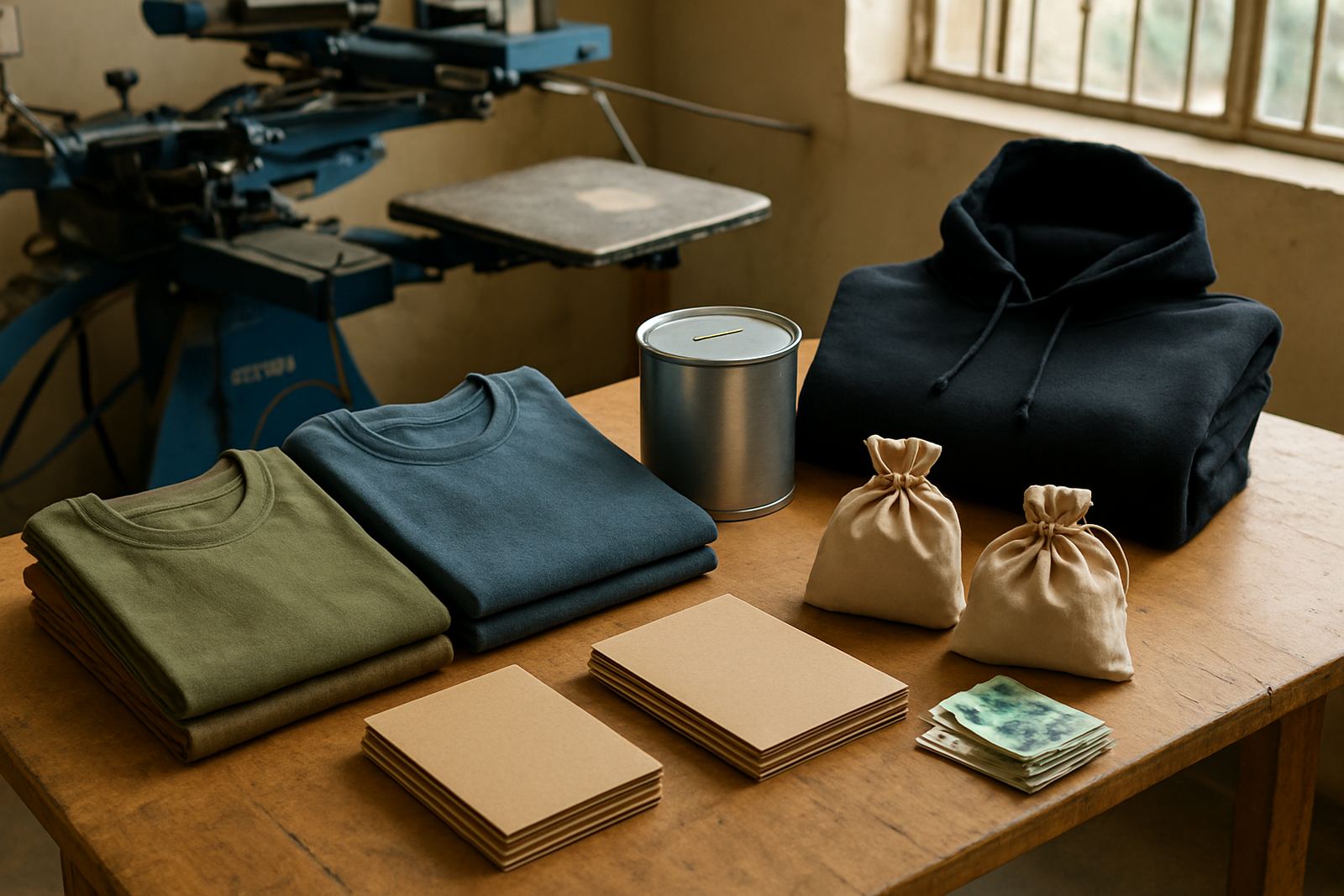
If the school wants a neat presentation, folding and bagging can be planned into the quantity too. That way each learner receives a packed item, not a loose stack of garments that still needs sorting after delivery. For winter orders in coastal areas, hoodies often need tighter size control because parents want room for layering under a sweater or blazer.
Team kit needs extras for change and replacement
Sports teams and club groups usually need a different quantity approach from school classes. A good team order is rarely just one shirt per person. There are late call-ups, injuries, reserve players, new members and wear-and-tear replacements. For surf-town teams around Jeffreys Bay and Cape St Francis, coastal humidity and regular washing can shorten the life of lighter garments, so a spare run makes sense if the kit will be used often.
For active groups, think in terms of coverage. If there are 12 players, a safer print quantity may be 14 or 15. If there is a coaching staff, add their sizes separately. If the team changes often, it can be wise to keep a few blank or printed extras in the same colour and fabric. That helps with late additions without forcing a new minimum order later on.
Printed team wear should also be planned by garment type. A training tee may need a larger quantity than a match hoodie, while caps and supporter shirts may be ordered in smaller runs. When the print is repeated every season, repeat order support makes future top-ups easier because the sizes, ink mix and layout are already on file.
- Order extra pieces for substitutes and new members
- Keep reserve stock for replacement sizes
- Separate match kit from training wear
- Use the same count logic for caps, hoodies and shirts
Promotional runs work best when the audience is counted properly
Promotions are where people often over-order or under-order. If the garment is for customers, visitors or an event giveaway, the right quantity should follow the number of confirmed people likely to receive one, plus a small margin for last-minute changes. For a local market, festival stall or school fundraiser, count the actual footfall you expect, not the biggest crowd you hope for.
A useful method is to split the audience into three groups: guaranteed recipients, likely recipients and possible extras. Guaranteed recipients are staff, volunteers and booked guests. Likely recipients are the people you expect to attend and collect. Possible extras are the walk-ins, walk-up customers or late additions. This keeps the order practical and avoids paying for more stock than you can move.
Promotional quantities also depend on print style. One-colour prints suit larger runs and keep unit costs lower. Multi-colour prints are good for smaller, more targeted batches where the design matters more than volume. If you are unsure, sample strike-offs can help you check the look before committing to a full batch.
Mixed group events need a simple size map
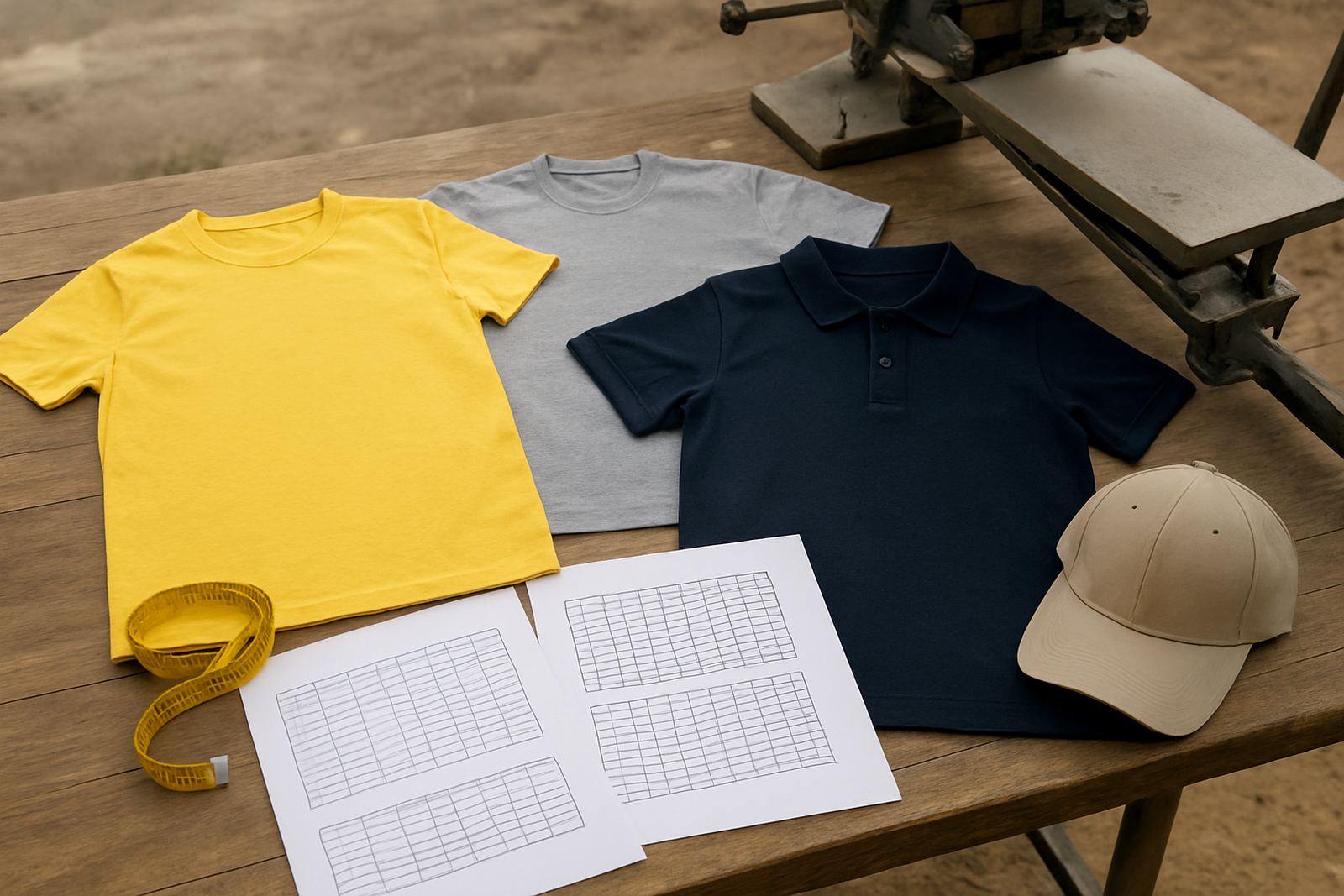
Mixed group events are common across Kouga, especially when schools, clubs, sponsors and volunteers all want the same shirt. The mistake is to treat the order as one block. A better approach is to build a size map before production starts. This means listing each group, their sizes and who is responsible for final confirmation.
For example, a community fun run in Jeffreys Bay may include children, parents, marshals and sponsors. The child sizes will usually vary more than the adult sizes, while sponsors may want a cleaner, more fitted look. If everyone is put into one general size pile, you will lose control of the order and probably end up with shortages in the sizes people ask for most.
- Group people by role first, then by size
- Keep children and adult sizes separate
- Mark sponsor wear separately from event staff wear
- Confirm who receives matching caps, hoodies or shirts
- Leave room for late RSVPs if the event is open to the public
Mixed orders are easier to manage when artwork, size counts and packing notes are all settled together. That reduces confusion at collection and helps with bulk packing when the job is complete.
A Jeffreys Bay example: one surf-town order, three quantity plans
Say a Jeffreys Bay school wants printed shirts for a coastal fun day, with learners, teachers and parent helpers all wearing the same design. The learner count may be 48, the teaching staff 6, and the helpers 10. Instead of ordering 64 pieces exactly, the smarter run might be 68 to allow for replacements and a few late additions. If hoodies are included for the teachers only, that smaller batch can be counted separately so the shirt run stays accurate.
Now compare that with a local club ordering for an annual fundraiser in the industrial area and surrounding neighbourhoods. The club may only need 30 shirts, but they may want 5 extra for volunteers, 3 reserved for sponsors and 2 spare sizes for swaps. That kind of planning keeps the order tidy and avoids last-minute reprints.
Every quantity decision should balance price, use and risk. Printing too few causes delays and second runs. Printing too many ties up money in garments that may never be worn. The best result is usually the smallest number that still gives you enough spare pieces to cover real-world changes.
What to confirm before you send the count
Before the order goes into production, check the following points so the quantity is accurate and the print process runs smoothly. This is especially important when the order includes multiple garment types or size ranges.
- Final headcount by group
- Size breakdown for each group
- Which garments need the same print and which do not
- Whether extras are for staff, replacements or future use
- Deadline for changes before artwork setup begins
- Packaging preference for distribution
Once these details are in place, the print job can move ahead with fewer surprises. For businesses, schools and clubs in Jeffreys Bay, Humansdorp, St Francis Bay and Gqeberha, that means quicker turnaround and better control over cost. If the quantity is planned properly from the start, the final stack of shirts, hoodies or caps will match the people who need them, not just the number that sounded about right on the day.