
Why fundraiser shirts work for local groups
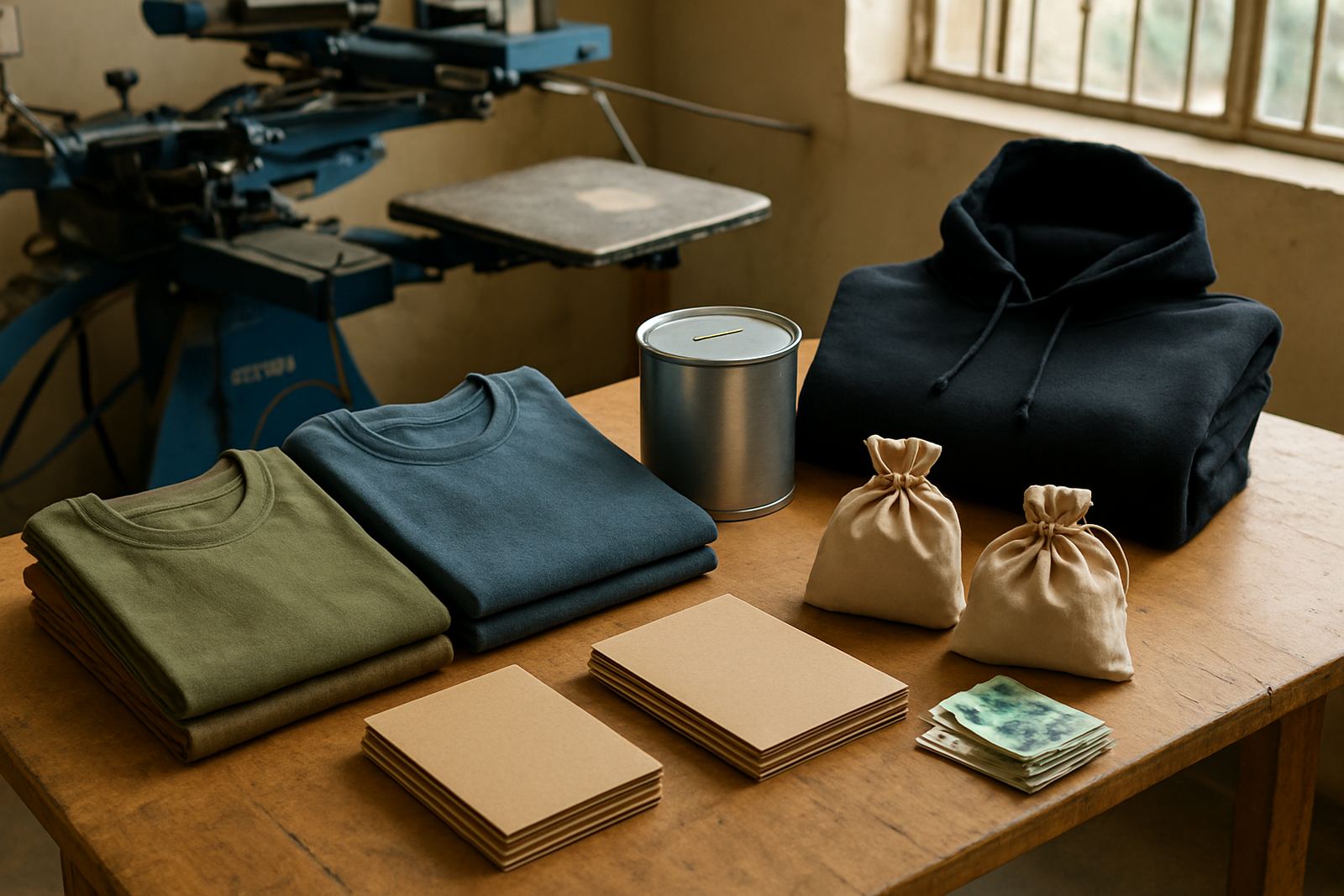
Fundraiser shirts are one of the easiest ways to raise money because they give people something useful in return for their support. A shirt can carry the name of the team, school, club or event while also helping cover travel, kit, equipment, entries or end of season costs. For groups in Kouga, this matters because not every family can handle repeated cash asks during the year.
When the design is simple and the order size is planned well, the selling price can stay fair and the margin still makes sense. Screen printing is often the best fit for this type of job because it handles larger quantities cleanly and keeps the per shirt cost under control. It also suits the practical weather around Jeffreys Bay, where shirts need to stand up to coastal humidity, regular washing and plenty of wear.
- Simple artwork keeps setup costs lower.
- Bulk orders reduce the price per shirt.
- Shirts are easy to sell at matches, events and school functions.
- Supporters get something they will actually wear.
Picking the right shirt idea for your audience
The best fundraiser shirt is the one people feel comfortable wearing after the event. A school group may need a neat front print with a small back sponsor lockup, while a surf club may prefer a bold design that looks good on the promenade in St Francis Bay or around the Jeffreys Bay main beach. The goal is to make something people want to keep, not a shirt that stays in a drawer.
Keep the message clear. A date, group name, town and short cause line usually does more than a crowded layout with too much detail. If the shirt is for parents and supporters, go for a neutral colour that works with jeans or shorts. If it is for players or volunteers, match the shirt colour to the event or club colours so the group looks coordinated on the day.
- School fundraiser: clean front logo, year and grade or team name.
- Club fundraiser: bold back print with the club name and local area.
- Event shirt: date, venue and a short cause message.
- Volunteer shirt: high visibility colours for easy identification.
Keeping costs manageable without making the shirt look cheap
There are a few practical ways to keep costs down without cutting corners. The first is to limit the number of print colours. A one colour print is usually the most affordable option and can still look professional if the artwork is planned properly. The second is to keep print positions sensible. A front print and small back print is often enough for a fundraiser, while extra sleeve or neck prints can be added only if the budget allows.
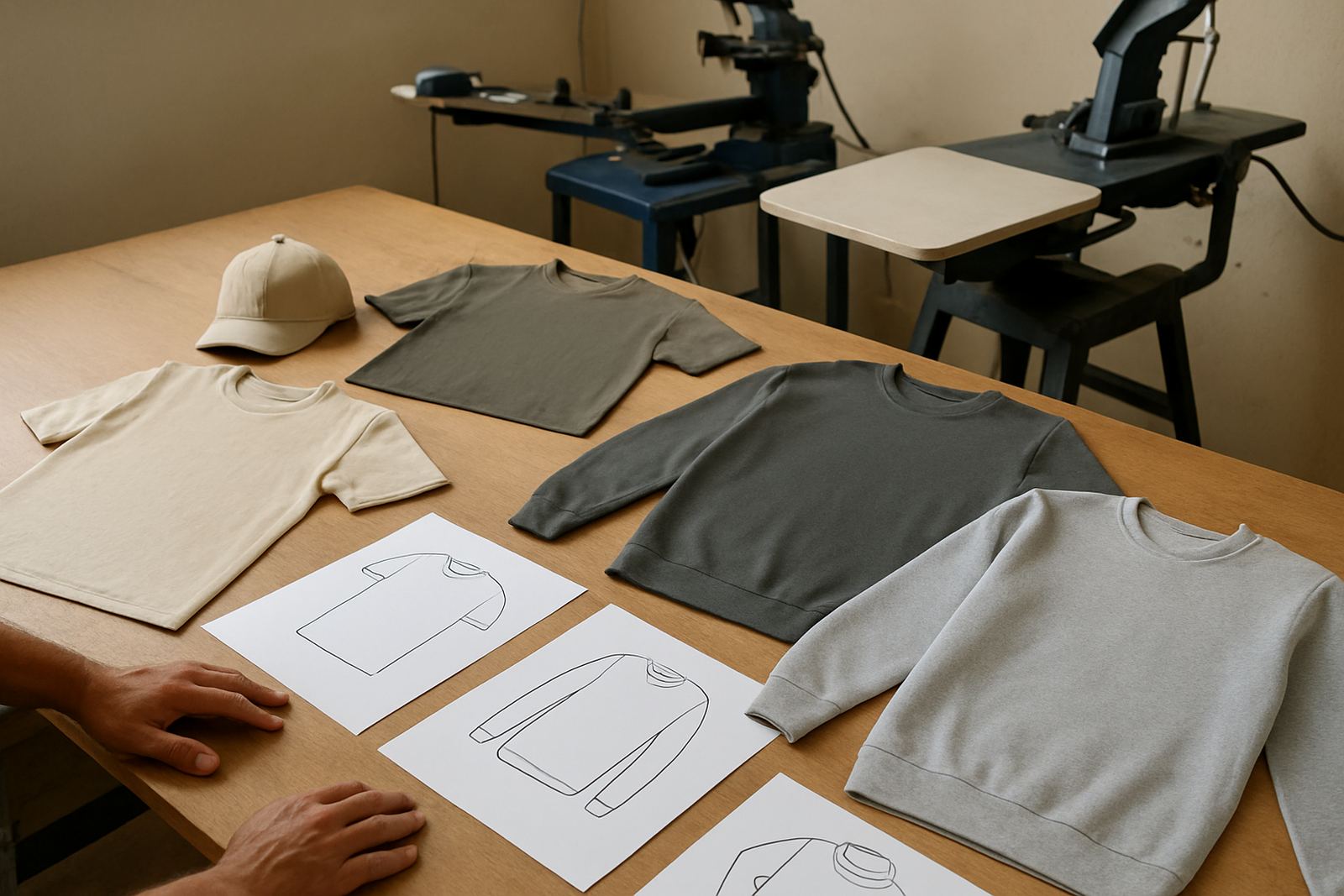
Fabric choice also affects the price. Cotton is comfortable for casual wear, while polycotton can be a good middle ground for teams or work type fundraiser shirts. For clubs in the Kouga region, this is useful because the shirt has to hold up to warm days, dusty venues and repeated washing. If you are selling to a mixed group, start with a unisex cut in a few common sizes and keep the range tight rather than spreading stock too thin.
- Use one or two print colours where possible.
- Keep the artwork compact and readable.
- Choose shirt colours that suit most supporters.
- Order sizes based on real sign ups, not guesswork.
A local example from Jeffreys Bay to the wider Kouga area
A common local approach is a school or sports club in Jeffreys Bay printing shirts for a fundraiser weekend, then selling them to parents, sponsors and supporters across Humansdorp and St Francis Bay. The shirts can be handed out ahead of the event so the crowd wears them on the same day which gives the fundraiser extra visibility. That visibility often helps with future sales too because people see the shirts in use and ask about the next run.
At our Jeffreys Bay industrial area base, the process is kept practical. Artwork is checked, colours are matched as closely as possible and a sample strike-off can be arranged if needed before the full run goes ahead. For repeat annual fundraisers, keeping the same layout and sizes on record saves time and helps the next order move quicker. It also means the group can sell early while the design is still fresh in people’s minds.
This kind of order works well for schools, surf clubs, youth groups and community teams across the Kouga region including Oyster Bay, Kareedouw and Gqeberha. The important part is to print enough to make a margin and not so many that boxes sit in storage after the campaign has ended.
Design choices that help shirts sell
People buy shirts they can picture wearing in everyday life. That means readable lettering, a clear focus point and a layout that does not feel overloaded. For fundraiser shirts, a strong front chest print usually does the job. If the group name is the main draw, place it where it can be seen quickly from a distance. If the cause is the selling point, make sure that line is legible first and foremost.
Artwork also needs to suit the print method. Screen printing is ideal for solid shapes, simple logos and bold text. If the design has too many fine details or too many colour changes, it can become harder to print cleanly and the cost can rise. A good rule is to think about what will still look sharp after several washes, not just what looks good on a screen.
- Use bold fonts that remain clear on fabric.
- Keep sponsor logos to a sensible size.
- Choose contrast that works on the shirt colour.
- Avoid tiny text that people cannot read from a metre away.
Ordering, packing and reorders made simpler
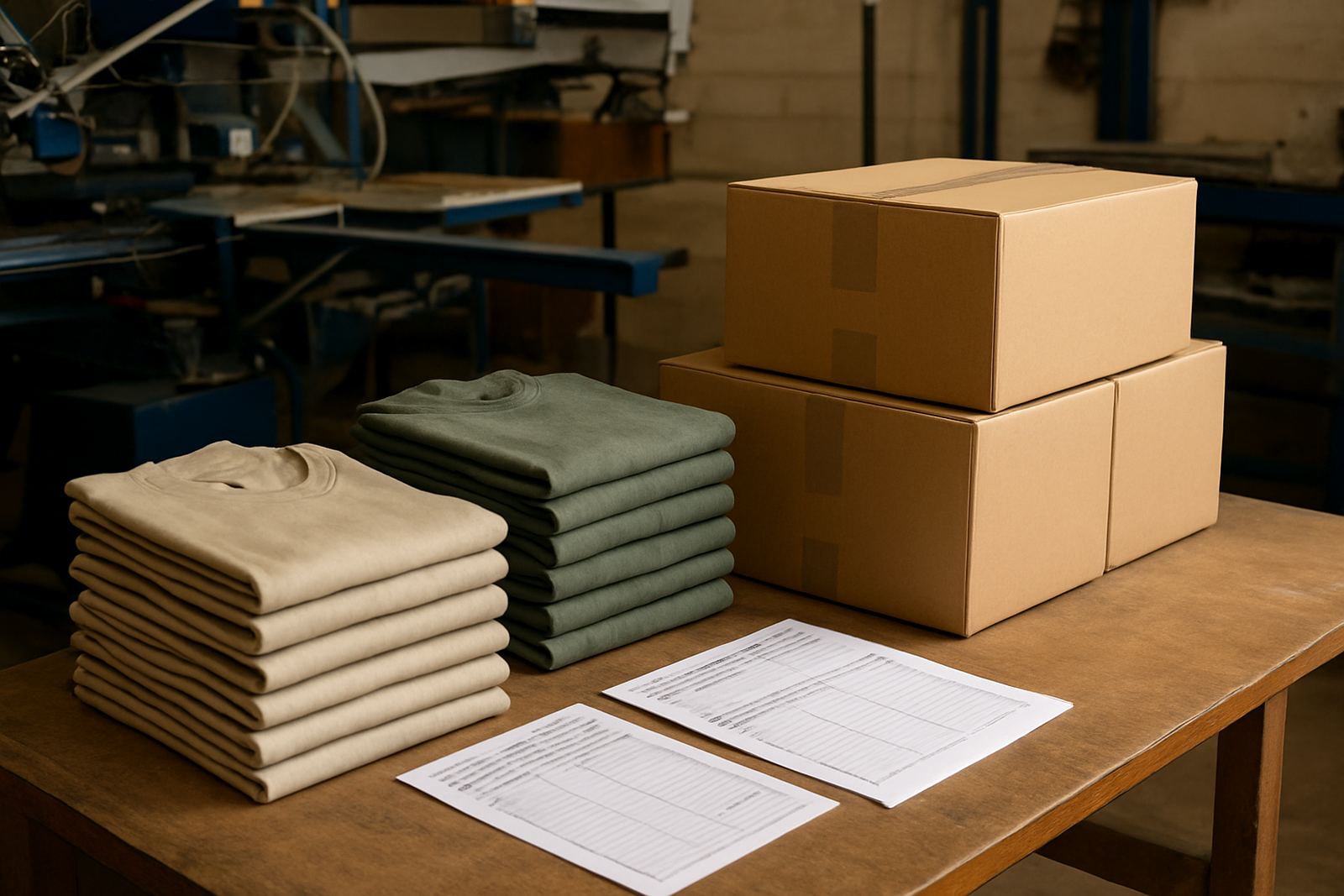
For fundraiser runs, organisation matters as much as printing. Names, sizes and quantities should be checked before production begins because mistakes at that stage waste both time and money. Once the job is printed, folding and bagging can help with distribution at school gates, club nights or fundraising stalls. Bulk packing is also useful if the shirts need to go out by team, class or branch.
Another point worth planning for is repeat orders. Successful fundraiser shirts often sell out faster than expected, especially when they catch on with families and supporters. If the print setup is kept on file, a second run can be handled more easily and the group does not need to start from scratch. That is useful for annual events, league seasons and school traditions that keep coming back every year.
For groups in Jeffreys Bay, Humansdorp and St Francis Bay, the right shirt idea is usually the one that balances cost, wearability and a clear local message. Done properly, a shirt does more than raise funds. It gives the group a visible identity and turns supporters into walking advertisements for the cause.