
Start With the Right Size Chart, Not Assumptions
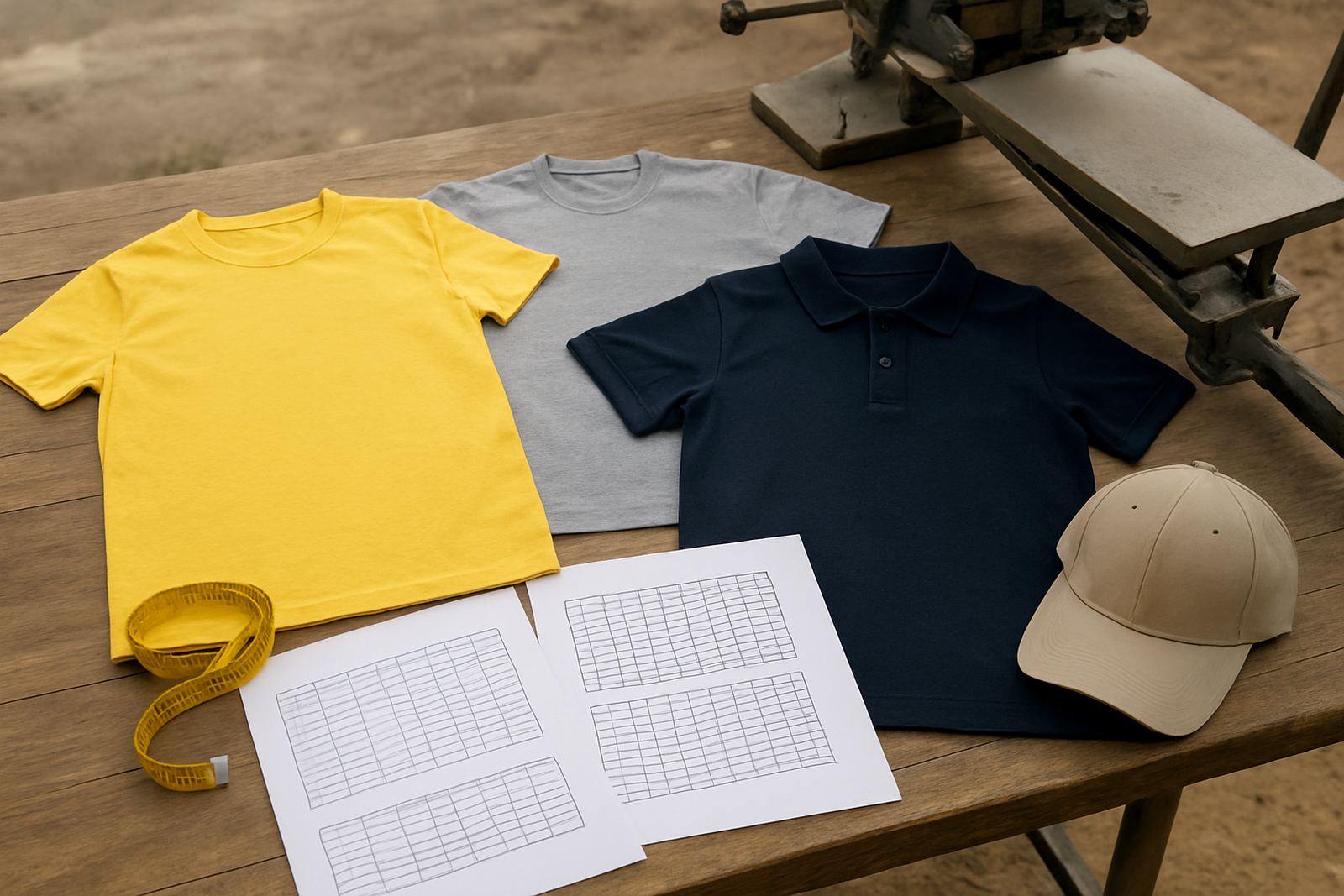
When a team order comes in, the biggest mistake is guessing by age, school grade or what someone usually wears for casual clothes. A large in one make can fit like a medium in another, and some cuts suit a narrow build while others leave extra room at the shoulders. For that reason, every order should start with actual body measurements and a size chart that matches the garment being ordered.
At Brand-On Screen Printing in the Jeffreys Bay industrial area, we see this often with school hoodies, PE tees and club shirts. Parents will say a child is a 12 to 13, but the fit may be tight across the chest or too long in the body. Adults do the same with team golf shirts and cricket tops. The safest approach is to measure the chest, length and sometimes sleeve length, then compare that to the chart before any print work begins.
- Measure over a thin T-shirt, not a jersey or thick hoodie
- Use a soft tape measure and keep it level around the body
- Check both chest width and garment length
- Allow extra room for active use and washing shrinkage
Choose the Fit for the Job, Not Just the Size
Teamwear is worn differently from everyday clothes. A rugby warm-up top, a netball shirt and a school leavers hoodie all need different kinds of ease. If the garment is for active wear, it should allow movement without pulling at the back or under the arms. If it is for formal team presentation, the cut can be neater but still should not be too tight.
For coastal areas like Jeffreys Bay, St Francis Bay and Oyster Bay, the weather also plays a part. Mornings can be cool, afternoons warm, and indoor and outdoor use may happen on the same day. That means some teams need a tee that sits comfortably on its own, while others need a hoodie layered over a shirt. In those cases, it is worth planning the sizing around the full kit, not just one item.
Think about who will wear the item most often and how it will be used. A junior club shirt for training should have a bit of extra room. A staff event shirt may need a cleaner shape. A school hoodie usually needs enough length for sitting, moving and carrying bags.
Collect Measurements in a Way That People Will Actually Follow
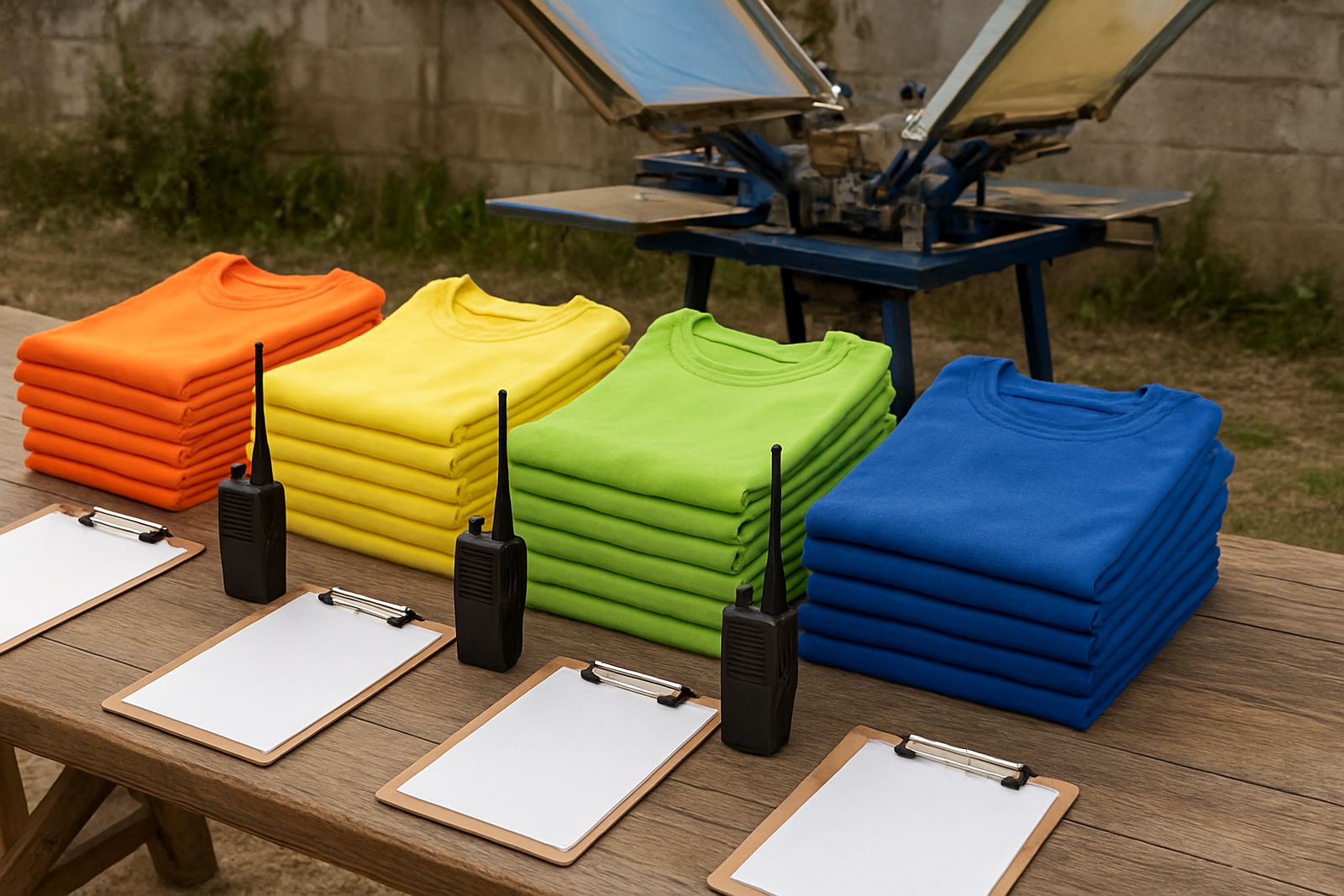
If you are handling a full school class or club squad, the ordering process needs simple instructions. Complicated measurement notes lead to mistakes. The best system is one that teachers, team managers and parents can follow without confusion. A basic size sheet works well, especially when it is sent out early and checked before the order closes.
One useful method is to ask each person to choose a current garment that fits them well, then compare it against a sample or chart. This works well for school hoodies and caps too. For caps, the most common issue is not the head size itself but the closure style and how the peak sits on the brow. For hoodies, people often forget that some like a looser fit for layering and others prefer a neater fit for daily wear.
- Set one deadline for all size submissions
- Ask for size, name and item type on the same form
- Mark whether the garment should be loose, standard or snug
- Confirm special cases before the print run starts
Watch for Shrinkage, Stretch and Coastal Wear
Fabric choice affects fit after washing. Cotton-rich garments may tighten a little if they are washed hot or tumble dried. Some blends hold shape better, but even then, repeated wear can soften the fit. On the coast, salt air and humidity can also affect how garments are stored before issue, especially if they are packed away for a while or kept in a warm storeroom.
That is why it helps to allow for a small margin in school and club orders. A shirt that fits perfectly on day one should still be comfortable after several washes. For events, where the clothing may be worn once and then stored, exact fit is less of a problem. For team kit used each week, a little extra room goes a long way.
We also advise checking how the print area affects the garment. Large back prints, sleeve prints and neck label prints do not usually change the size, but they do change the look of the garment. If the item is already tight, a heavy print on the front or back can make it feel stiffer. That is another reason not to order too small.
Make One Sample Before the Full Run
For bigger school and club orders, a sample strike-off can prevent expensive mistakes. One correctly sized sample gives everyone a real point of reference. People can see the actual print size, the feel of the garment and whether the fit suits the group. It is much easier to adjust a size run after one sample than after 150 pieces have already been packed.
This is especially helpful for mixed groups. A school may have learners, coaches and admin staff on the same order. A netball club may need junior and senior sizes in one batch. In those cases, a sample lets the organiser check whether the smaller sizes run too short or whether the larger sizes need more length in the body. It also gives an accurate base for repeat orders later.
- Approve one sample before bulk production
- Check print placement on every size range
- Confirm whether kids and adults use different garments
- Keep the approved sample for future reorders
Plan for Packing, Labelling and Collection Day
Good sizing is only part of the job. If shirts are not labelled properly, the right sizes can still end up in the wrong hands. For schools and clubs, we recommend a clear packing system with names, sizes and group numbers where needed. That saves time when the order is handed out in Humansdorp, Gqeberha or right here in Jeffreys Bay.
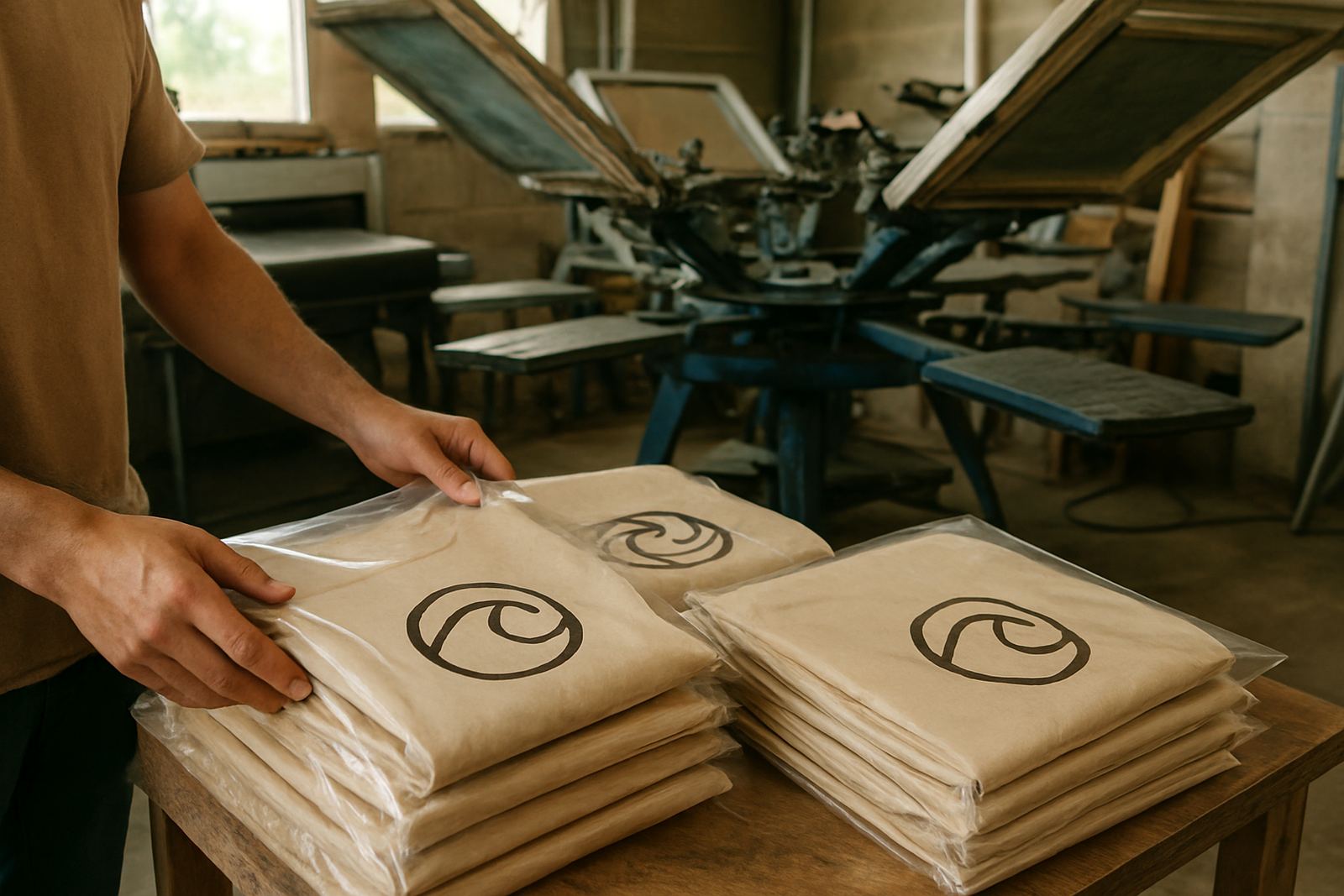
We can fold and bag items for easier issuing, and for larger orders bulk packing helps keep everything in order. This is useful for coaches and teachers who need to hand out kit quickly before training or a trip. It also helps if the order is going out in stages, such as juniors first and seniors later. A tidy pack list reduces confusion and makes repeat ordering easier next season.
If you are ordering for a surf club, school sports day or corporate team event, it pays to nominate one person to check the final sizes before collection. One last review can catch the small issues, like a child who needs a bigger hoodie or a staff member who prefers a looser fit. That small step saves back and forth later.
A Local Example From a Jeffreys Bay Club Order
A good sizing process matters most when the order is mixed. For example, a local club in Jeffreys Bay may need junior tees, senior hoodies and a few caps for coaches. If the organiser relies on guesswork, some players end up with shirts that are too short and others with hoodies that swallow them. That usually means delays, extra sorting and unhappy members on collection day.
A better approach is simple. Send out a clear size list, ask each person to check against a garment they already own, then request one final sign-off before printing starts. If anything looks out of line, it is easier to correct it early. That process works well for school orders in Kouga, club kit for Kareedouw and event wear going to St Francis Bay or Cape St Francis.
For practical help with teamwear sizing, artwork setup, repeat orders and packing, our team at Brand-On Screen Printing can guide you through the process from the start. We handle screen printing for schools, clubs and event groups across the region, and we are used to orders that need to be right first time.