
Start With The Job The Shirt Must Do
Before you decide on placement, ask what the garment needs to achieve. A staff shirt for a shop counter needs clear branding at close range. An event shirt may need a bold message that is visible from across a field or parking area. A club shirt might need both a neat front logo and a stronger graphic on the back for sponsors or team identity.
In our work from the Jeffreys Bay industrial area, we often guide clients to think about viewing distance. A small front print works well for neat presentation, while a back print carries more message space. If the shirt is for daily wear, many people choose a modest front logo and leave the back plain so the garment feels less like a billboard.
- Front print for brand recognition at close range
- Back print for messages, team names and event details
- Front and back print for uniforms, clubs and sponsor wear
- Single-position printing for simpler budgets and faster repeat orders
Front Print For Clean Everyday Wear
Front printing is usually the safest choice when the shirt must stay practical. It suits workwear, school items and casual merch where the wearer wants something tidy and easy to pair with other clothing. A left chest logo or centred front print gives enough identity without making the garment feel too busy.
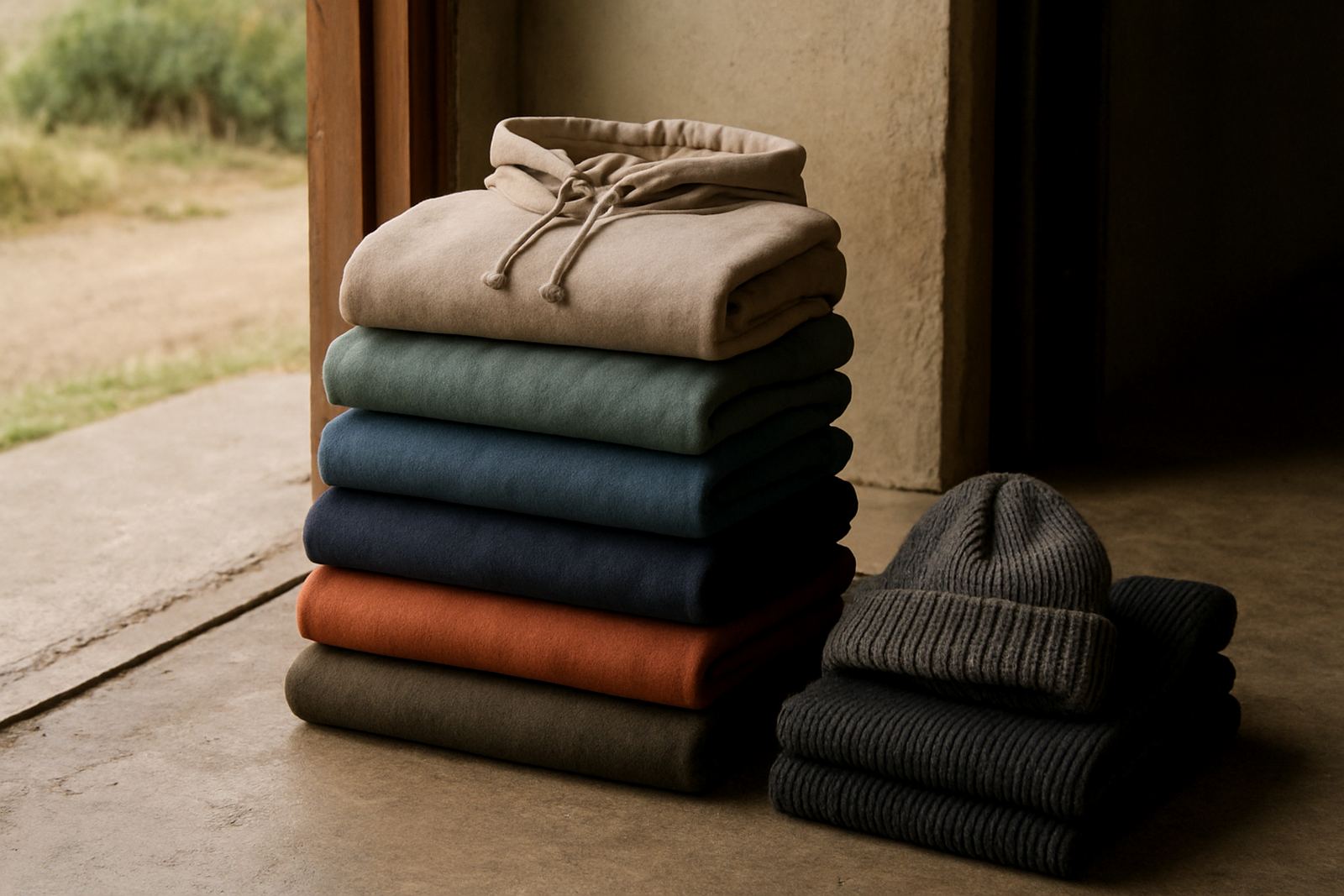
For hoodies and heavier tees, front print also holds up well because the graphic sits in the most visible area while the wearer is standing, walking or meeting people. In coastal conditions around Jeffreys Bay and St Francis Bay, people often layer garments in the early morning, so a front print still shows when a jacket is open. That makes it useful for winter events and sports trips too.
- Good for staff shirts, school wear and club tops
- Feels more subtle than a large back print
- Works well on tees, hoodies and caps with matching branding
- Often preferred for repeat wear and uniform programmes
Back Print When The Message Must Carry
A back print gives you more room and more impact. It is the better option when the message has to be read from a distance, or when the front needs to stay neat for a name badge, pocket detail or small logo. Sports teams, tour groups and event crews often use the back for names, numbers, slogans or sponsor details.
If you are planning wear for a beach run, school fundraiser or a local promotion in Humansdorp or Gqeberha, the back print can do the heavy lifting. People standing behind the wearer will see the message while the front remains clean. That balance works especially well for shirts that need to move from formal to casual use, without looking overdone.
- Best for high visibility and larger wording
- Useful for sponsor lists, team names and event slogans
- Keeps the front available for a small logo or left chest mark
- Works well on oversize tees and team kit
How Fabric, Fit And Use Affect The Choice
The garment itself matters just as much as the artwork. A slim fit tee may not suit a very large front design because it can feel crowded. A roomy oversize shirt can carry a larger back print without looking cramped. Hoodies also need careful placement because seams, pockets and zip lines can interrupt the print area.
We also look at how the item will be washed and worn. Workwear that goes through weekly laundering should have placement that can survive folding, stacking and bulk packing. Shirts worn at the coast need artwork that stays clear even after humidity, salt air and frequent use. If the garment is for staff on the move, a smaller print on the front often stays neat longer than a large area at the back.
- Fit affects how much artwork the garment can carry
- Heavy use garments often suit simpler placement
- Zip hoodies and pocket styles need extra artwork checks
- Coastal wear benefits from practical, durable print sizing
A Good Rule For Schools, Clubs And Events
A simple rule works for most orders. If the garment is for identification, start at the front. If it is for announcement, awareness or a big visible message, start at the back. Schools often choose small front crests with larger back wording for tours, sport days and leavers wear. Clubs may want a clean front and a numbered back. Businesses usually want staff easily recognised from the front, so a chest logo or full front print can be enough.
For events in the Kouga region, the best answer is often not either or. A front logo and a back sponsor panel can work together without pushing the budget too far. Our team also helps with colour matching and sample strike-offs when the placement needs to be checked before the full run, which saves time later and avoids reprints.
- Identification: front first
- Awareness or sponsor space: back first
- Tour wear and team kit often need both
- Sample strike-offs help confirm size and position before production
Local Example From Jeffreys Bay And Surrounds
A surf club in Jeffreys Bay might want shirts for coaches, volunteers and young riders. The coaches need a front print so parents know who is who at registration and on the beach. The back can carry the club name or event title so the team is visible in photos and crowds. For the riders themselves, a smaller front mark and a bigger back print often feels right because it looks neat and still reads well from a distance.
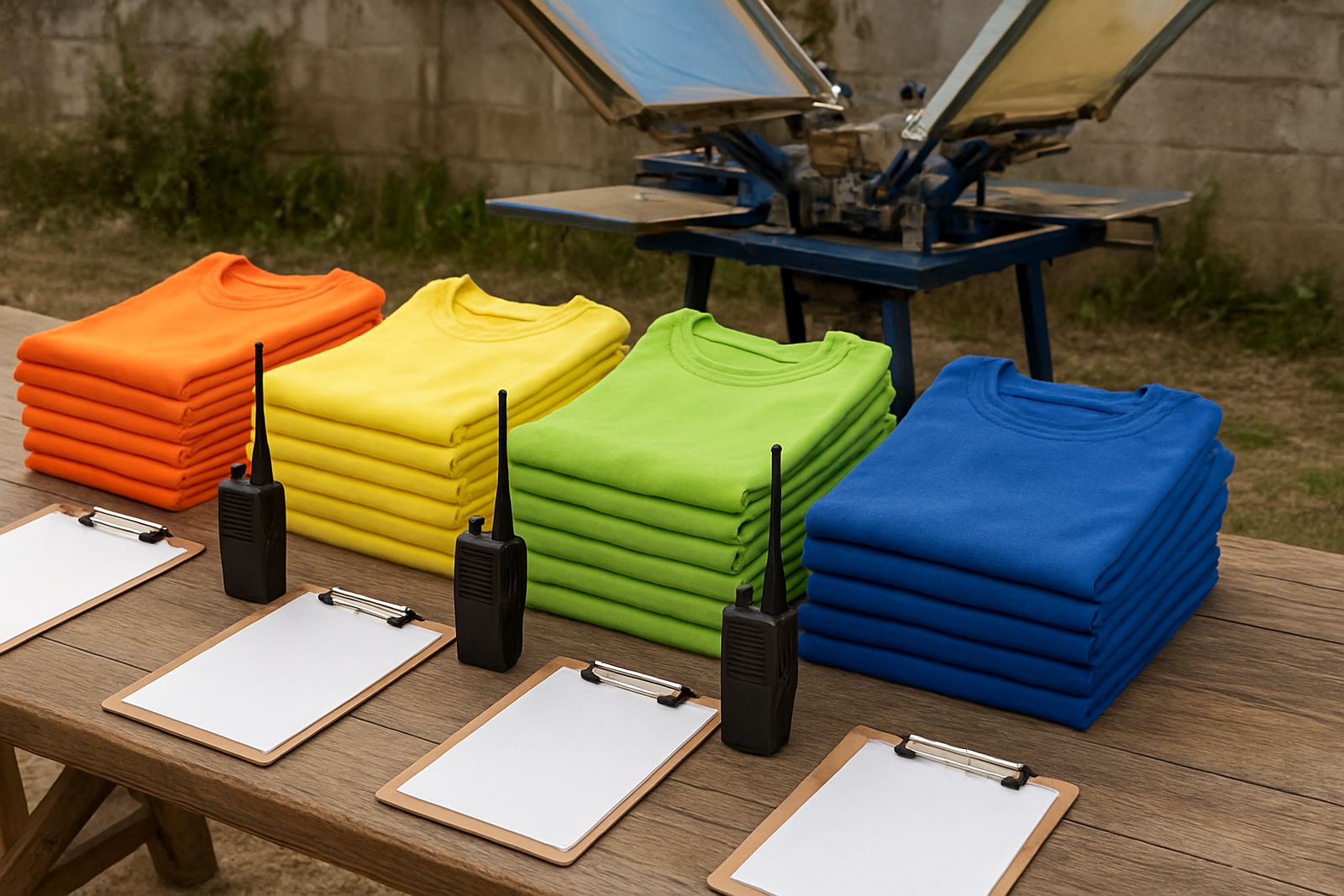
The same thinking helps a school in St Francis Bay or Oyster Bay. Staff shirts should look smart from the front, while a back print can be reserved for camp days, sports fixtures or fundraising events. If the garments need folding and bagging for a large group, a simpler print position can speed up packing and make distribution easier. It sounds small, but it saves time when there are 150 shirts on the table and everyone wants theirs labelled correctly.
How We Help You Choose The Right Position
At Brand-On Screen Printing in Jeffreys Bay, we work through placement with the customer before the job starts. Leandi handles quotes and client questions, Ridwaan checks artwork setup, and the production team makes sure the chosen position suits the print method and garment. If a shirt needs one colour, multiple colours, sleeve printing or neck label prints, the position choice is part of the planning from the start.
That is especially important for repeat order support. Once a school, club or business settles on a layout, it becomes easier to reorder the same way every time. You get consistency, cleaner packing and less back-and-forth. Whether the order is for Humansdorp, Cape St Francis, Kareedouw or Gqeberha, the aim is the same: a shirt that looks right, wears well and says exactly what it should.