
Why house colours need more than a quick colour guess
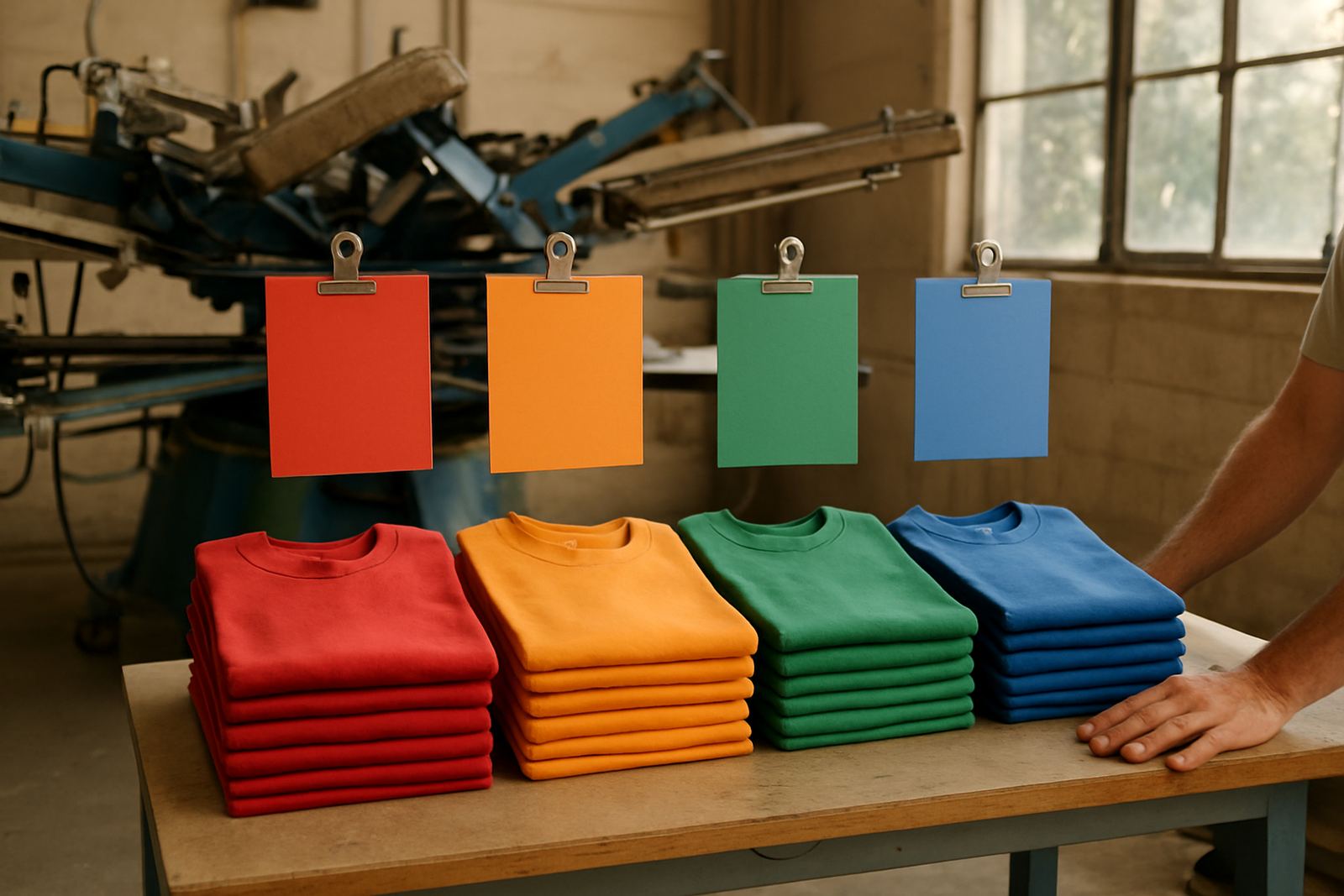
House shirts are not like casual event tees where a close match is good enough. When a school uses the same red, blue, green or gold across several terms, parents and staff notice if one batch looks warmer, duller or just plain different. That can happen when artwork gets changed, ink gets mixed by eye, or a new order is printed without proper records from the last run.
In the Kouga region we also see colour shift from fabric type. A cotton tee, a polycotton blend and a moisture-wicking sports shirt all take ink differently. Add coastal humidity in Jeffreys Bay, St Francis Bay or Oyster Bay and you can see why a careful process matters. The goal is simple: keep the house identity clear, even when the order is split into small and large sizes, or printed months apart.
How we match a school colour properly
We start with the garment itself, not just the colour name. A school may call it navy, but navy on a white tee and navy on a royal shirt can read differently once ink is laid down. We look at the shirt colour, the print size, and whether the artwork needs one colour or more. Then we set the print based on what gives the cleanest match on the day.
For repeat orders, we keep a record of the approved colour mix, the print position, and the garment type used last time. That helps when a school in Humansdorp places another order after a sports day or interhouse event. If the original batch was approved with a sample strike-off, we use that as the reference point for the next run.
- Check the garment base colour before ink is mixed
- Confirm whether the shirt is cotton, blend or performance fabric
- Use the same print position and size on repeat runs
- Approve a sample strike-off when the colour must be exact
Keeping one house colour consistent across many items
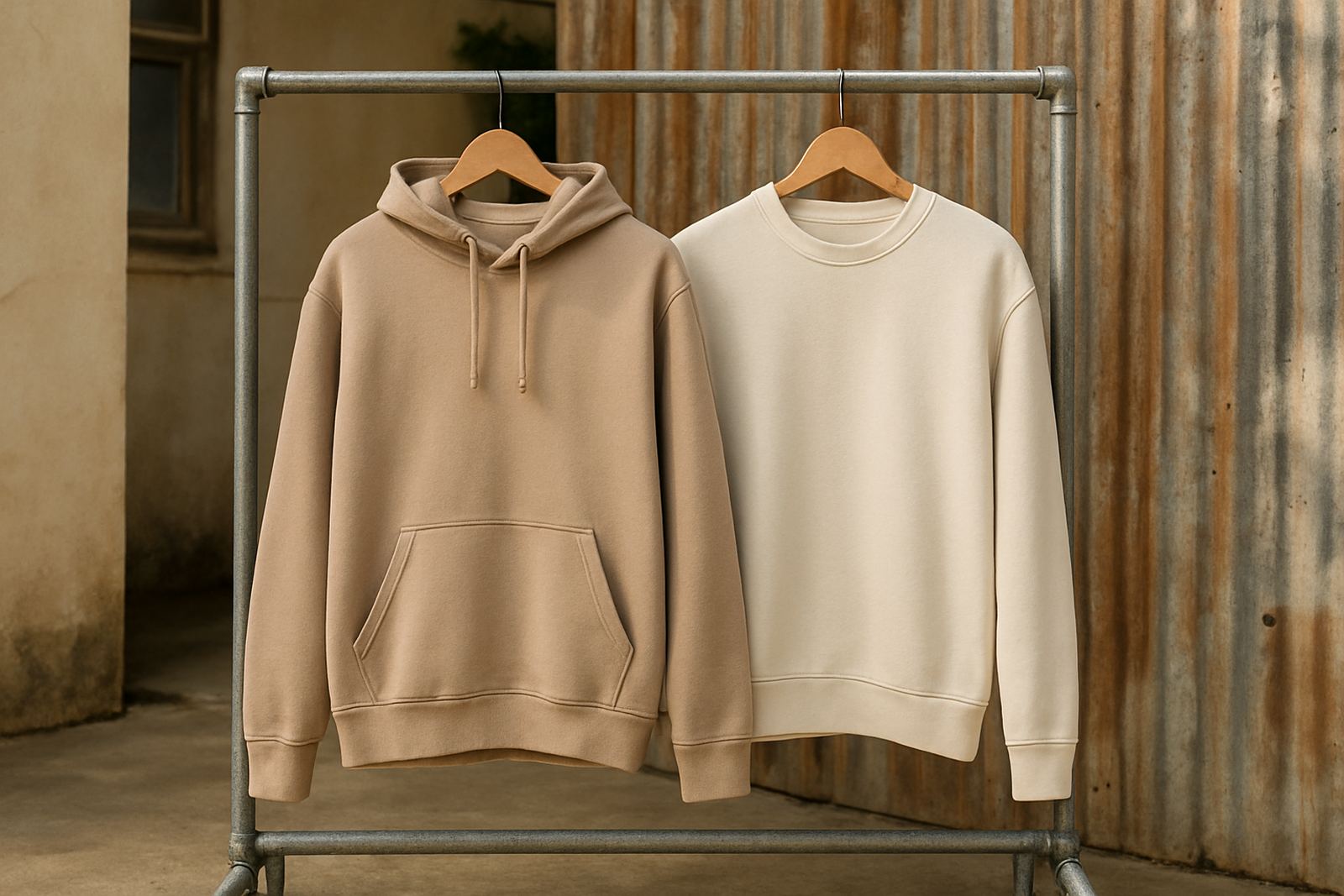
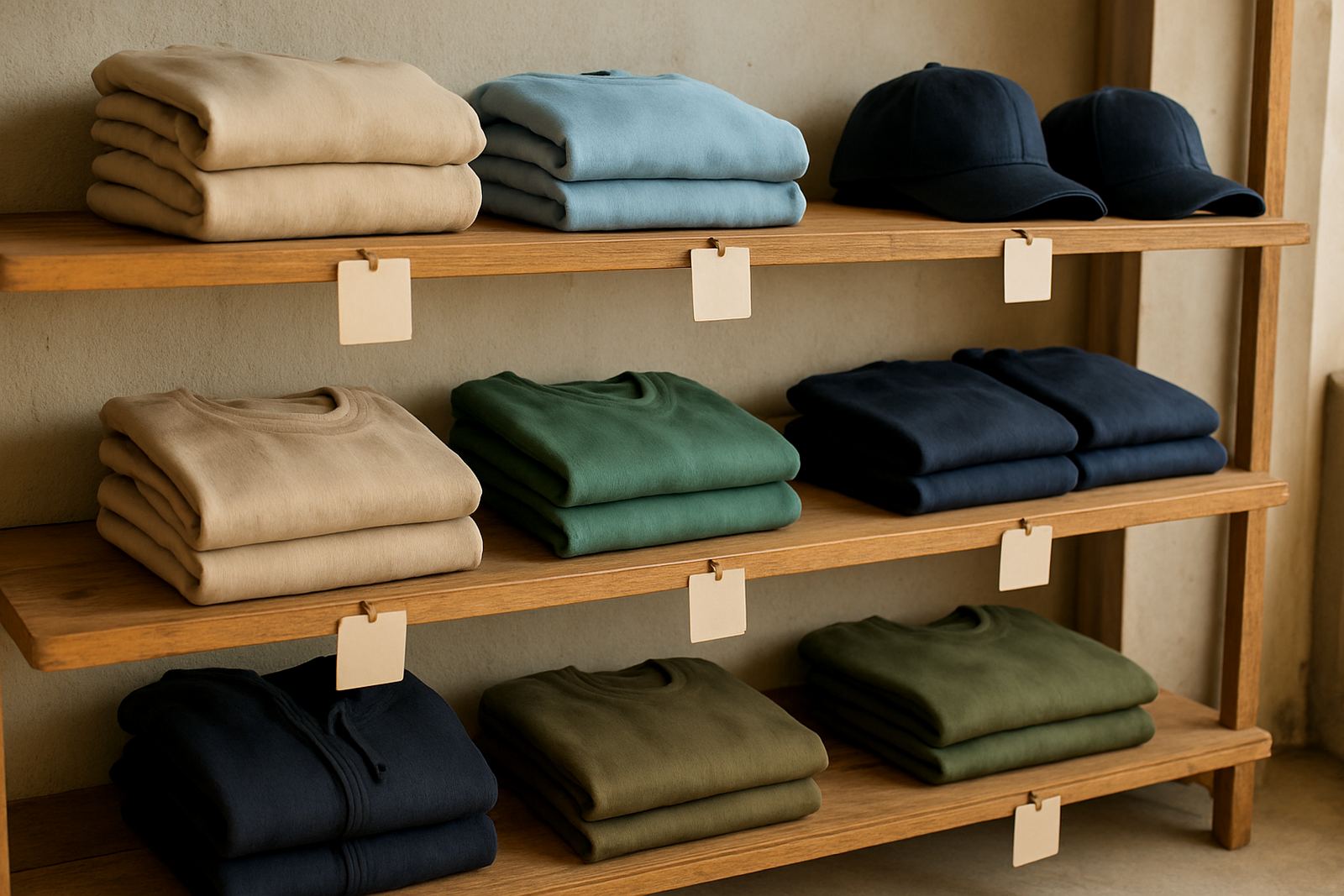
A full house order often includes T-shirts, hoodies, caps and team kit. The challenge is keeping the same feel across all of them even when the print method changes. A cap panel may need a smaller mark than a back print, and a hoodie may need a different ink build to sit well on the fleece. That is where setup matters. If the print is too thin, it can look washed out. If it is too heavy, it can crack or feel stiff after washing.
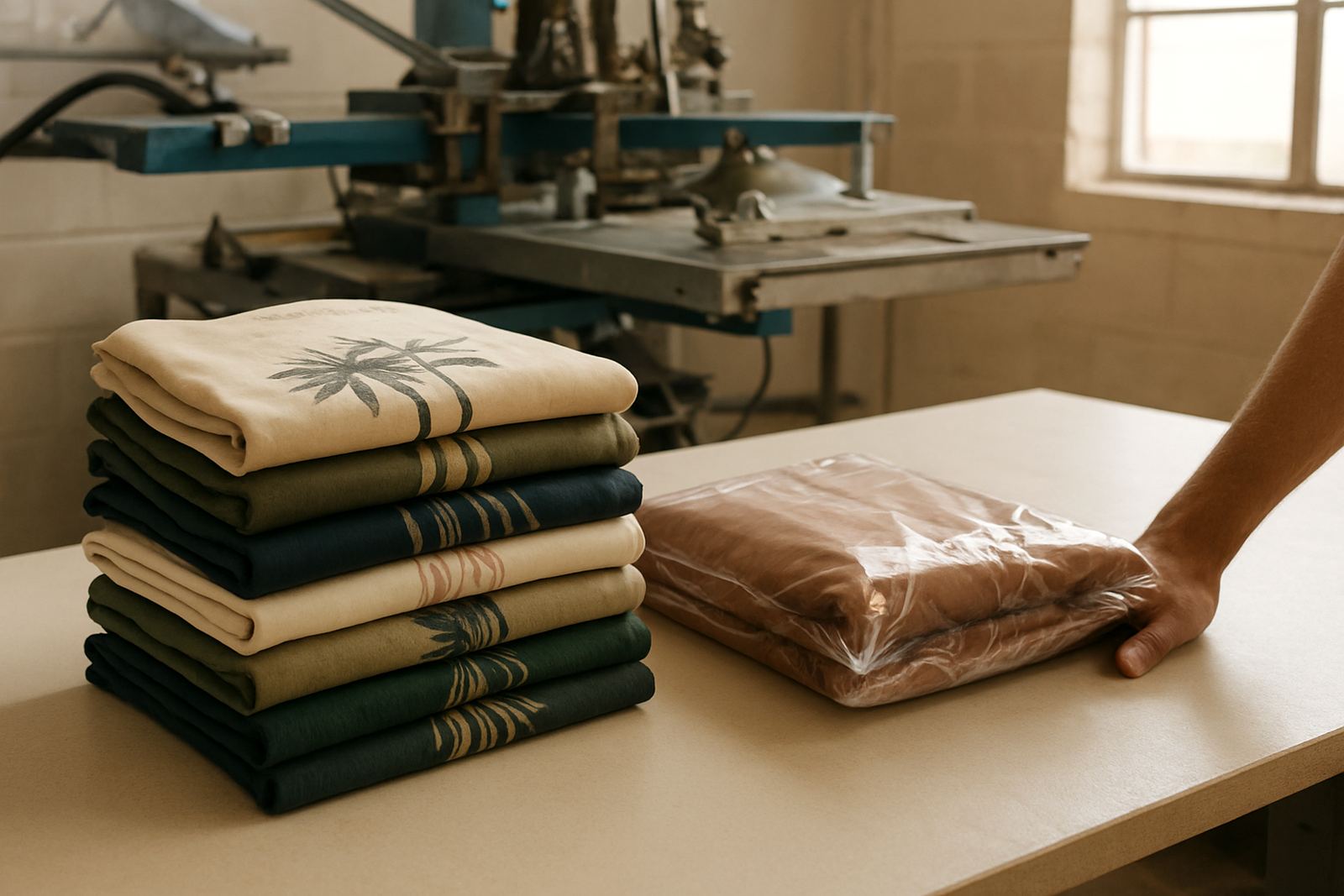
For schools and clubs around Gqeberha and the Kouga region, repeat order support is just as important as the first print. We keep notes on the approved artwork, the garment supplier if supplied by the client, and the finish used on folding and bagging. That way a school can top up its house shirts later and still keep the same look for the whole team.
- Match ink opacity to the shirt colour underneath
- Keep the same artwork scale across all sizes
- Use the same folding and packing method for uniform issue
- Store repeat order details so the next batch stays consistent
What schools should check before placing a repeat order
Before a repeat order goes in, it helps to check a few practical points. Has the school changed supplier for the shirts? Has the house badge been updated? Is the new event on a darker garment than last term? Small changes can shift the final print more than people expect. Even the neckline style can affect how a neck label print sits and whether the shirt feels neat when folded for distribution.
If you are ordering from St Francis Bay, Cape St Francis or Kareedouw, send the details as early as possible so there is time to review the art and confirm the sizes. It is much easier to correct a colour issue before press time than after 200 shirts are already packed.
- Send the last approved artwork if you have it
- Confirm any school crest, house name or motto changes
- Tell us if the new shirts are a different fabric or shade
- Let us know if you need folding, bagging or bulk packing
A local example from Jeffreys Bay
A school in Jeffreys Bay once needed a fresh batch of house shirts after a busy sports term. The first order had gone out on time, but the second request came with a different shirt supplier and a tighter deadline. The house colours had to stay the same for a council event and the learners were already split into groups for assembly. We checked the earlier print, matched the colour as closely as possible to the approved sample, and kept the print position identical across every size. The final shirts were packed by house, which made issue morning easier for staff and less stressful for the office team.
That kind of work matters in a surf town where schools, clubs and local events often overlap. A learner may wear the same house shirt for sport, tours and fundraisers, so the print has to stay readable and tidy through repeated washing. When the colour is right, the whole group looks organised and the house is easy to spot from across the field.
What Brand-On Screen Printing can handle for house wear
Our base in the Jeffreys Bay industrial area keeps us close to local schools and clubs, and we handle house wear for Humansdorp, St Francis Bay, Gqeberha and nearby towns. The work ranges from simple one colour prints to more detailed multi-colour jobs, plus oversize back prints, sleeve prints and neck label prints where needed. For school groups, the finish can include artwork setup, colour matching, sample strike-offs, folding and bagging, and bulk packing for easy issue.
Because our work is built around repeat orders and practical school use, we focus on keeping the same details from one batch to the next. If a house colour has already been approved, we aim to hold that line rather than start over. That saves time, avoids confusion and keeps the shirts looking like one set, not three different runs.
- Screen printing for school house shirts and team wear
- Colour matching for repeat orders and new sizes
- Sample strike-offs when approval is needed
- Folding, bagging and bulk packing for distribution