
Start with the season plan, not the shirt order
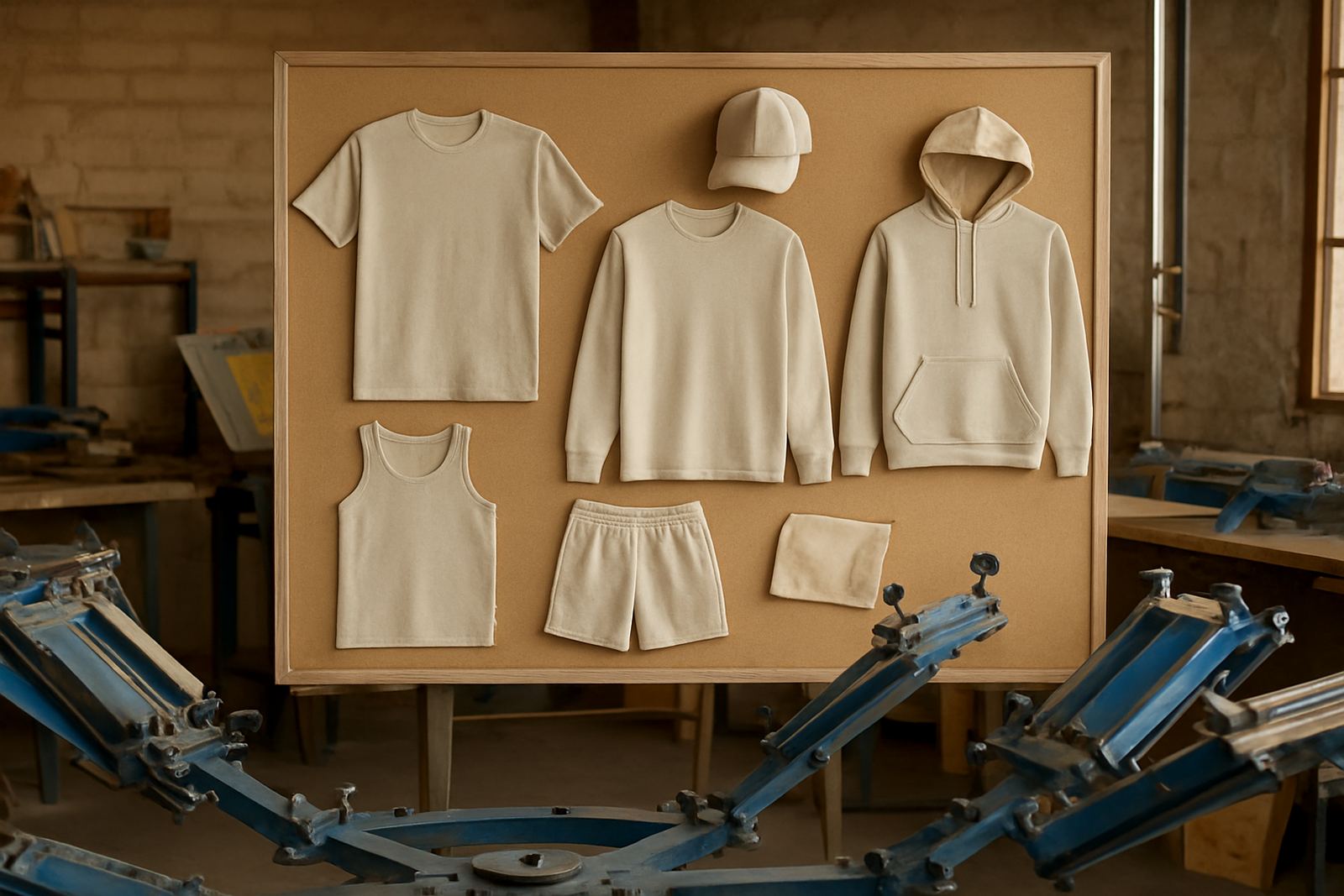
Before anyone chooses colours or counts sizes, work out what the club actually needs for the season. A small rugby, netball or surf club may need match shirts, a few hoodies for cold mornings, caps for volunteers and supporter tees for fundraisers. When these items are planned together, the artwork stays consistent and the per-item cost usually improves.
It also helps to think about timing. In Jeffreys Bay, winter mornings can be damp and windy, while coastal humidity can affect how garments are stored before distribution. If you are ordering for a tournament, festival or school league, allow enough time for artwork setup, colour matching and any sample strike-offs. That extra day or two saves a lot of back and forth later.
Clubs often forget the extras. A simple list for coaches, committee members and event staff can include printed caps, zipped hoodies, sleeve prints, back numbers and supporter shirts. If the whole order is planned in one go, the kit looks more professional and the re-order is easier next time.
Choose garments that suit sport, weather and use
Different garments work better for different clubs. Lightweight cotton tees are good for casual supporter wear and fundraising, while heavier cotton or cotton-rich hoodies suit early-morning training and travel. Caps are useful for outdoor events, and team kit should be chosen with movement, sweat and washing frequency in mind.
For coastal towns like St Francis Bay, Cape St Francis and Oyster Bay, clubs often ask for garments that hold up well in salty air and repeated washing. In Gqeberha and Humansdorp, the same applies when kit is used weekly and kept in kit bags between matches. If the clothing is too thin, the print can look tired quicker than expected.
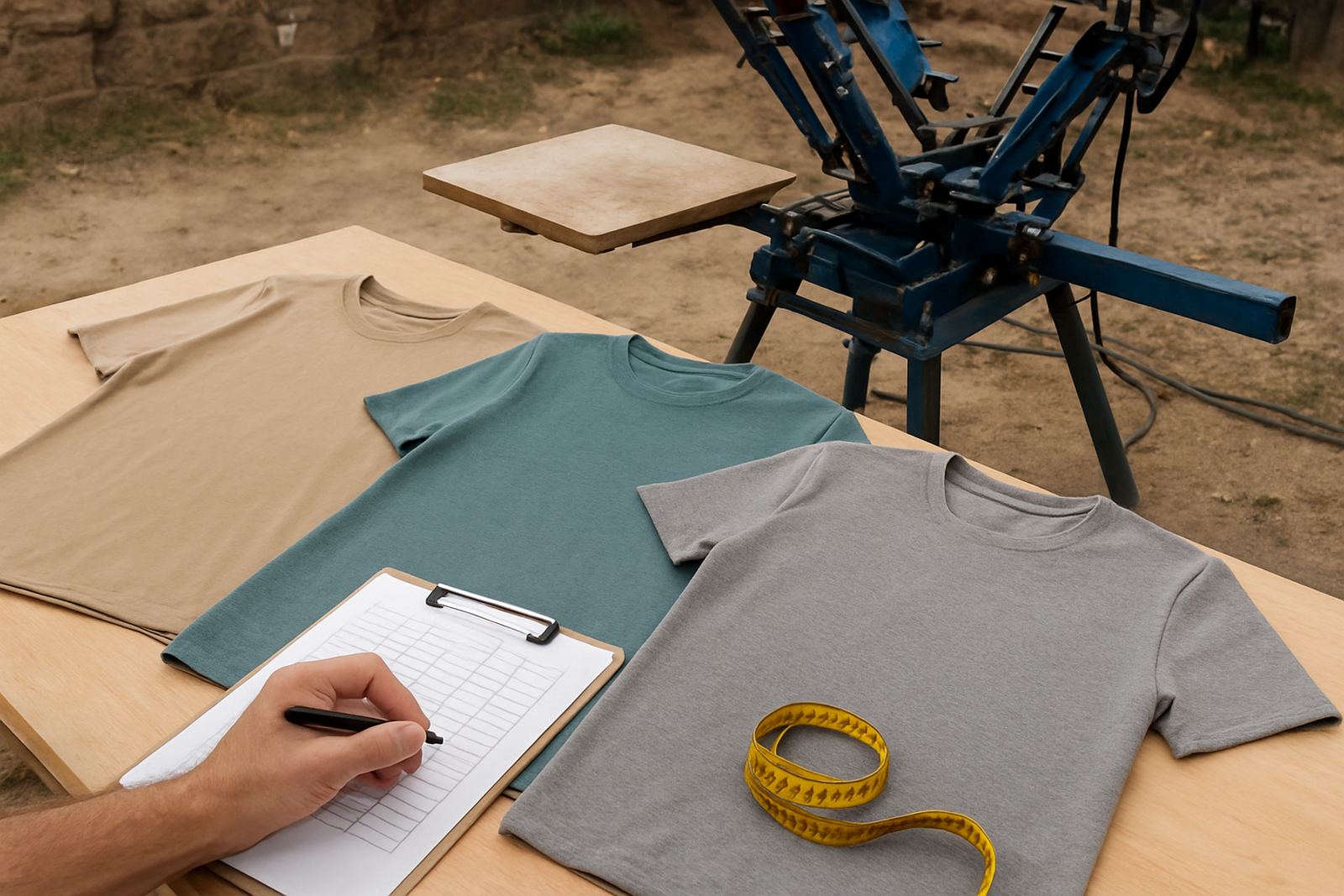
Think about sizes across the whole group. Clubs usually need a spread from small youth sizes to 3XL or larger for adults. It is worth collecting sizes from players, parents and supporters on one sheet before the order goes in. That cuts down on exchanges and keeps the distribution day tidy, which helps when there are a lot of people coming through at once.
Set the artwork rules before the printer starts
Good club kit starts with clean artwork. Decide early where logos, names, numbers and sponsor marks will sit on the garment. A front chest print, oversize back print and sleeve print all need different layout decisions, and the artwork should be set up to suit the print size and garment colour.
Colour matching matters if your club has fixed colours already. Reds, blues, greens and black all behave differently on light and dark clothing. Ask for a sample strike-off if you are unsure, especially where the club badge has fine lines or small text. It is better to check once than to run a full order with a logo that feels too small or too busy.
Keep file names simple and gather the right details in one place. That means badge files, sponsor logos, print positions and any spelling for names or numbers. When the order is for schools and clubs across Kouga, clear artwork notes save time and avoid confusion between kit types, especially if there are repeat orders later in the year.
Order match wear and supporter shirts together
Many clubs separate player kit from supporter wear, but it often makes sense to order them together. Match shirts need to be practical and consistent, while supporter shirts can be a simpler one colour print that still carries the club name and badge. Doing both at once gives the club more value and one distribution plan.
Supporter wear is also useful for events, raffles and community days. A club in Jeffreys Bay may want shirts for the main team, a different colour for volunteers and another run for parents or fans. One coordinated print plan keeps everything under the same visual identity, even if the garments are different.
When you combine these items, be clear about quantities for each group. A small count for players, a medium count for families and a larger count for a fundraiser can all be handled in one production run. That helps with packing, sorting and handing out orders in batches, and it makes repeat ordering easier when the club wants the same setup next season.
- List all items first: match shirts, training tees, hoodies, caps and supporter wear.
- Separate player sizes from supporter sizes so nothing gets mixed up.
- Confirm the colour of each garment before artwork is approved.
- Check whether numbers, names or sponsor prints are needed on every item.
- Plan one delivery date for the whole order rather than several small ones.
Make the packing and handover simple
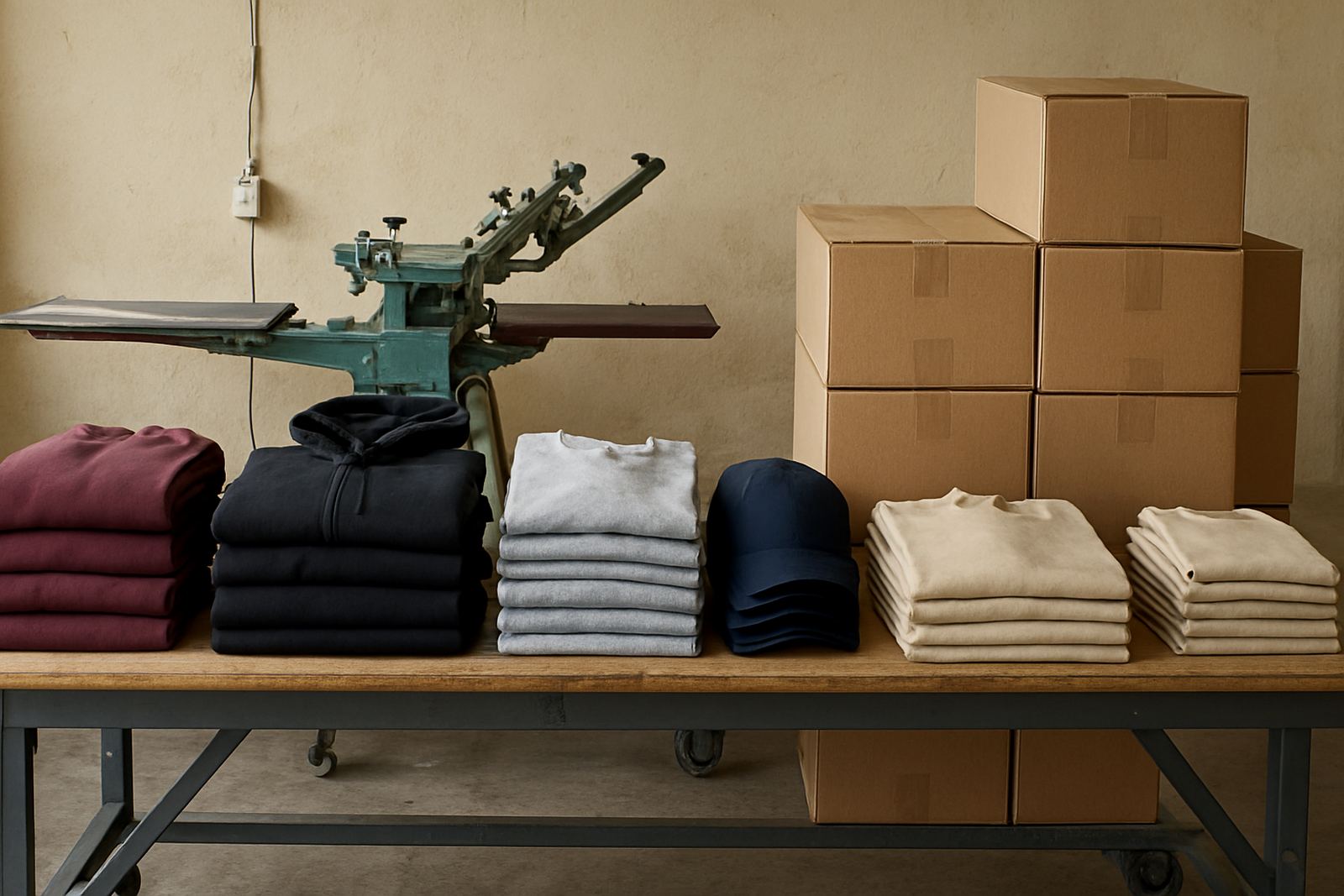
Once printing is done, the last step is getting kit to the right people in good condition. Folding and bagging helps keep sizes together, especially for clubs that hand out orders at training or after a match. Bulk packing is useful for large orders going to schools, committees or event organisers who then sort the items themselves.
If your club is managing multiple teams, label the groups clearly before collection. For example, first team, juniors, volunteers and supporters. That sounds simple but it saves time on the day, and it reduces the chance of an item going missing in the wrong pile. In a busy season, that can make a big difference.
When the kit is packed properly, storage is easier too. Garments kept dry and flat will hold their shape better, which matters in coastal humidity and during long weekends when kit may sit in a hall, office or changing room before distribution.
- Keep the printed items out of direct sun while waiting for collection.
- Store boxed kit in a dry room, not on a damp floor.
- Count every size against the order sheet before handing out.
- Keep a spare list for late additions or replacement sizes.
Use repeat orders to keep your club looking consistent
The best club kit is usually the one that can be repeated next season without starting from scratch. Keep the final print details on record, including garment type, print positions, colour references and size split. That way, when a new committee member takes over, the club can reorder quickly and keep the same look.
Repeat order support is especially useful for clubs that grow mid-season or add a new age group. If the first run was done well, a top-up order should match the original as closely as possible. That is easier when the artwork is already set and the garment choice has been tested through a full season of wear and washing. It is worth keeping one clean sample aside for reference.
At Brand-On Screen Printing in Jeffreys Bay, we work with clubs across Kouga, from Humansdorp and Kareedouw through to St Francis Bay and Gqeberha. If you are planning a kit order, start with the enquiry form on our contact page and send through the rough quantities, garment types and artwork details. From there, the order can be shaped properly, without unnecessary back and forth.
Club kit checklist before you place the order
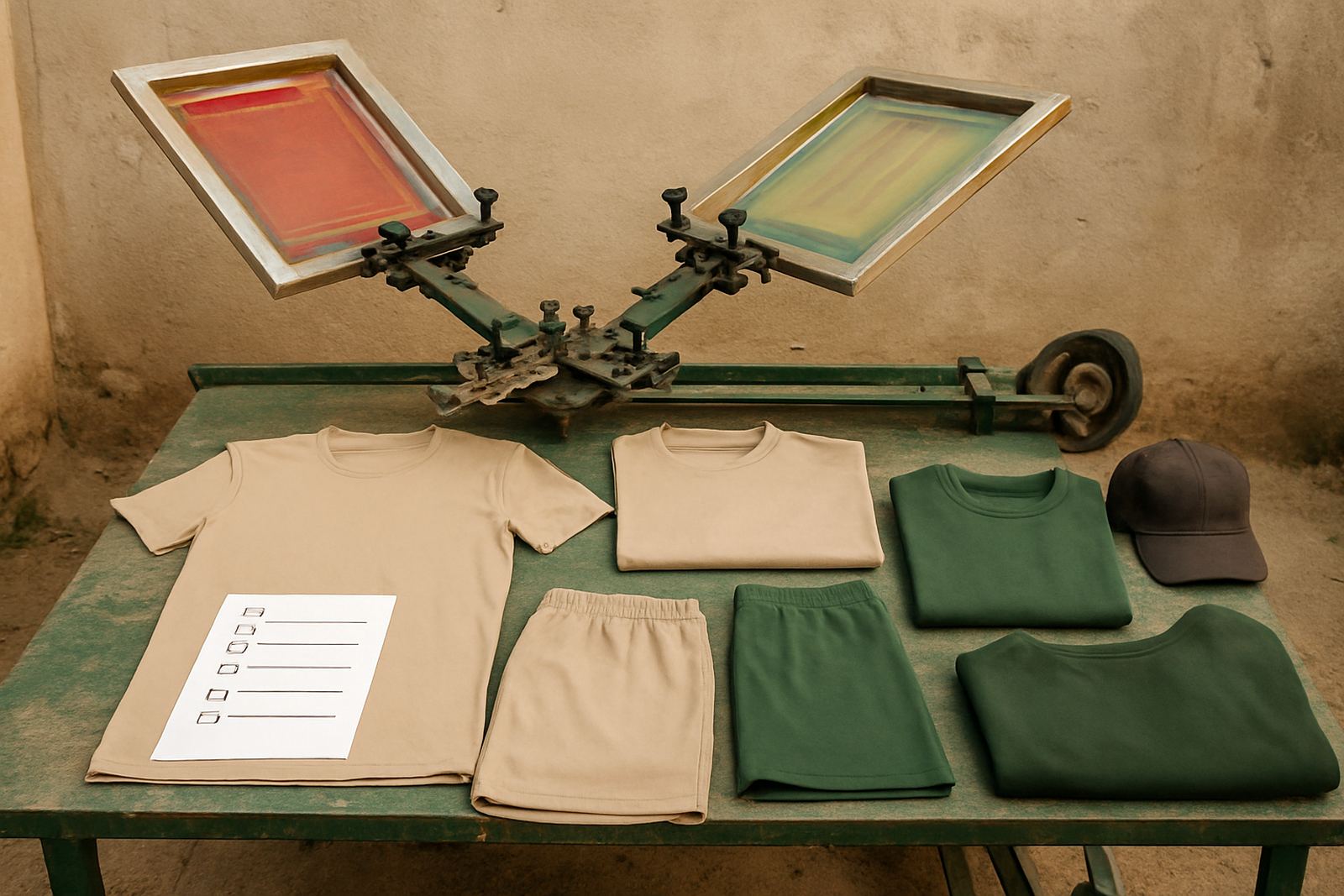
Use this checklist before you confirm quantities. It helps avoid missed items and last-minute changes, especially when the order includes both match wear and extras.
- Club name, team name and contact person.
- Garment list with quantities for each size.
- Print positions required, including front, back, sleeves and neck labels.
- Logo files, sponsor details and any spelling for names or numbers.
- Target date for collection or distribution.
- Any special notes for colour matching or sample strike-off approval.
If you are still unsure, start with the basics and build from there. A well-planned club order does not need to be complicated, it just needs clear information at the start. That is what keeps the shirts, hoodies and supporter gear looking like they belong together.