Start With the Right File
The best starting point is a clean vector file, especially for logos that need sharp edges on T-shirts, hoodies and caps. If you only have a low-resolution image, send it anyway and we can advise whether it will print clearly or needs work before production starts.
For screen printing, artwork should be simple, clear and set up at final size where possible. Small details can close up on fabric, particularly on textured hoodies, dark garments and items that will be washed often in coastal conditions around Jeffreys Bay and St Francis Bay.
How to Set Up Your Artwork Size
Please size your artwork to the actual print area, not the size you think the logo should be on screen. A chest print, back print, sleeve mark and neck label all use different spaces, so one artwork file does not always suit every placement.
- Chest logos usually work best at about 80 to 100 mm wide
- Full back prints often run from 250 to 300 mm wide, depending on the garment
- Sleeve prints should stay compact so they sit flat on the seam area
- Cap logos need to be short and neat, with clean lettering
If you are unsure, send the layout and we will help with placement before anything is prepared for print.
Keep Colours Practical for Printing
Bright artwork can look good on a screen, but garment printing depends on ink, fabric colour and the number of colours in the design. A single-colour logo is often the most cost-effective option for clubs, schools and event wear, while multi-colour printing suits more detailed branding.
When exact colours matter, include any known references and let us know what garment colour you are using. Dark fabric, light fabric and mixed team kit all need different handling, and we can advise on the best ink approach for a cleaner result.
- Use solid colour blocks rather than tiny gradients
- Avoid thin outline text on textured fabric
- Choose high contrast between logo and garment colour
- Tell us if the print must match an existing uniform or campaign colour
Fonts, Lines and Small Details
Thin fonts and fine lines can break up when printed, especially on smaller items such as caps, sleeve marks and neck labels. If your logo has very light strokes or detailed artwork, we may suggest a heavier version so the final print stays readable after washing and regular wear.
Text should be checked for spelling, spacing and line breaks before approval. One small error in the artwork can affect a full bulk order and slow down repeat work for Humansdorp, Kareedouw or Gqeberha clients who need a steady supply of branded clothing.
What to Send With Your Enquiry
To keep quotes accurate, send the artwork together with a few simple details. This helps us prepare the right print method, the right placement and the right quantity for your order. It also makes it easier to organise sample strike-offs when a client wants to check the look before bulk printing.
- Your logo or artwork file in the best quality you have
- The garment type, such as T-shirt, hoodie, cap or team kit
- The print position you want, for example front, back, sleeve or neck label
- Garment colours and sizes, if already decided
- The quantity needed and whether it is a repeat order
Clients in the Kouga area often send artwork with only a rough idea of the layout. That is fine, we can still help shape it into something practical for production.
Approval Before We Print
Before production starts, we check the artwork and confirm the layout so there are no surprises on press day. This is especially useful for school wear, surf-town event clothing and club orders where the same design may need to be printed again later. If changes are needed, we flag them early so the order stays on track.
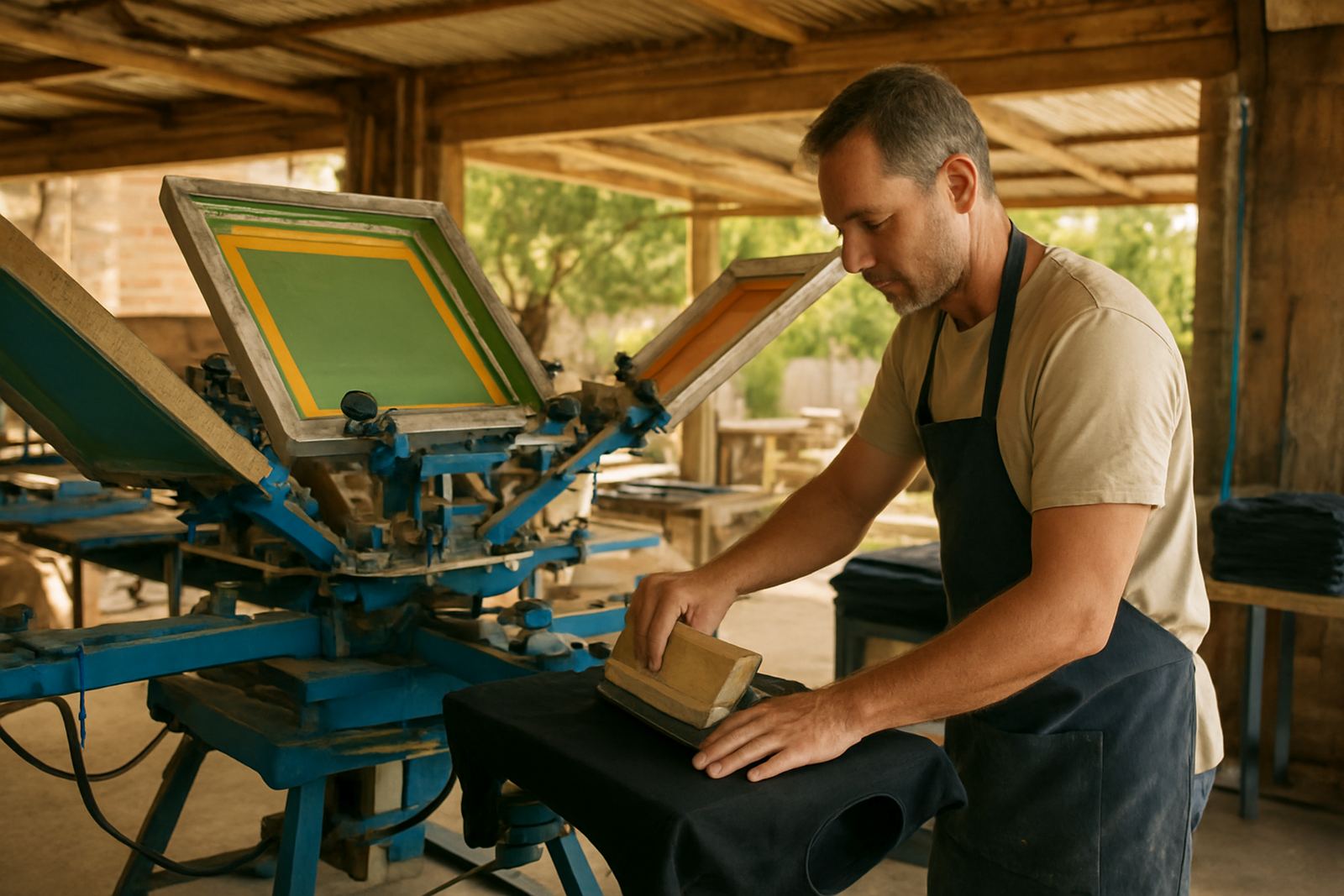
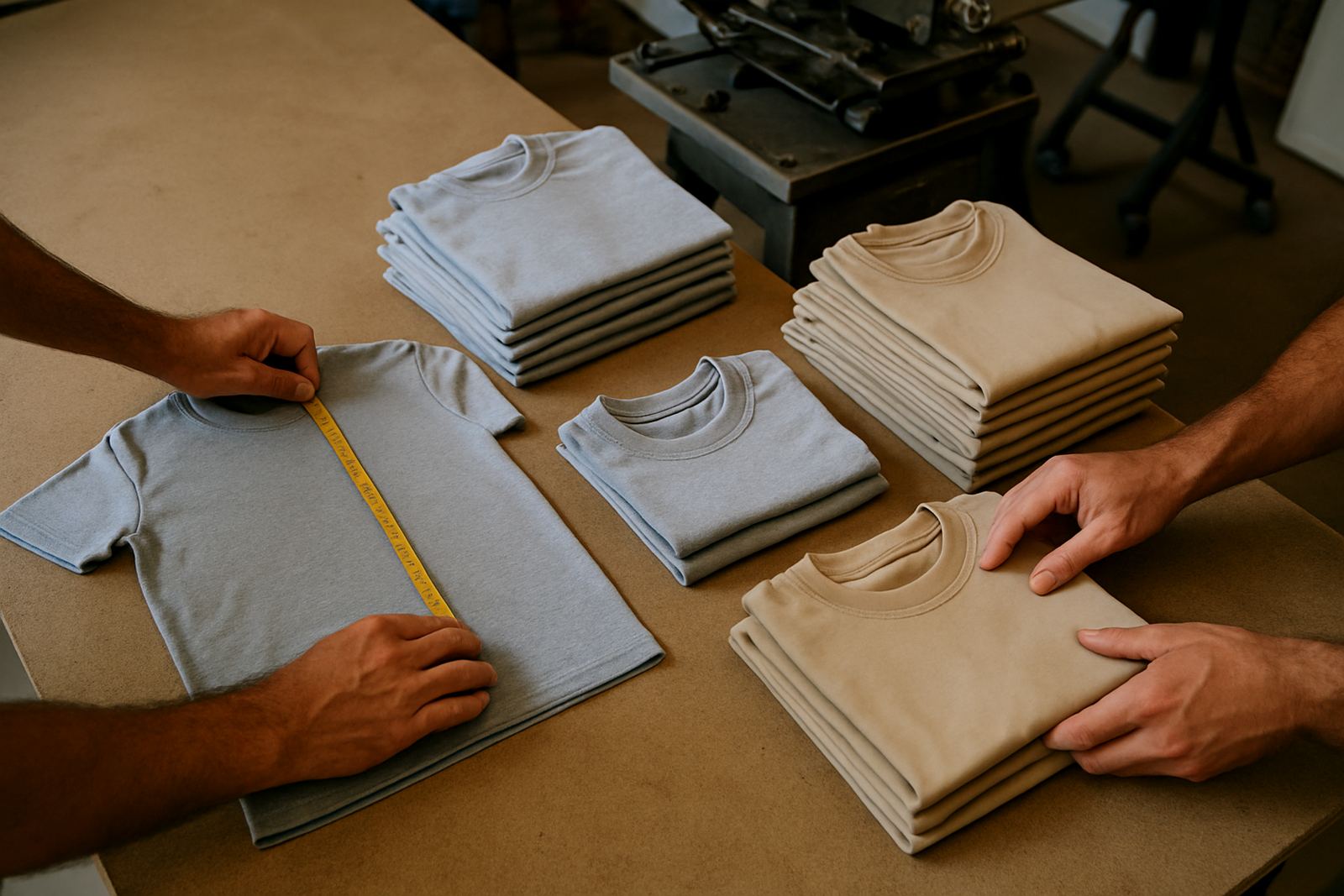
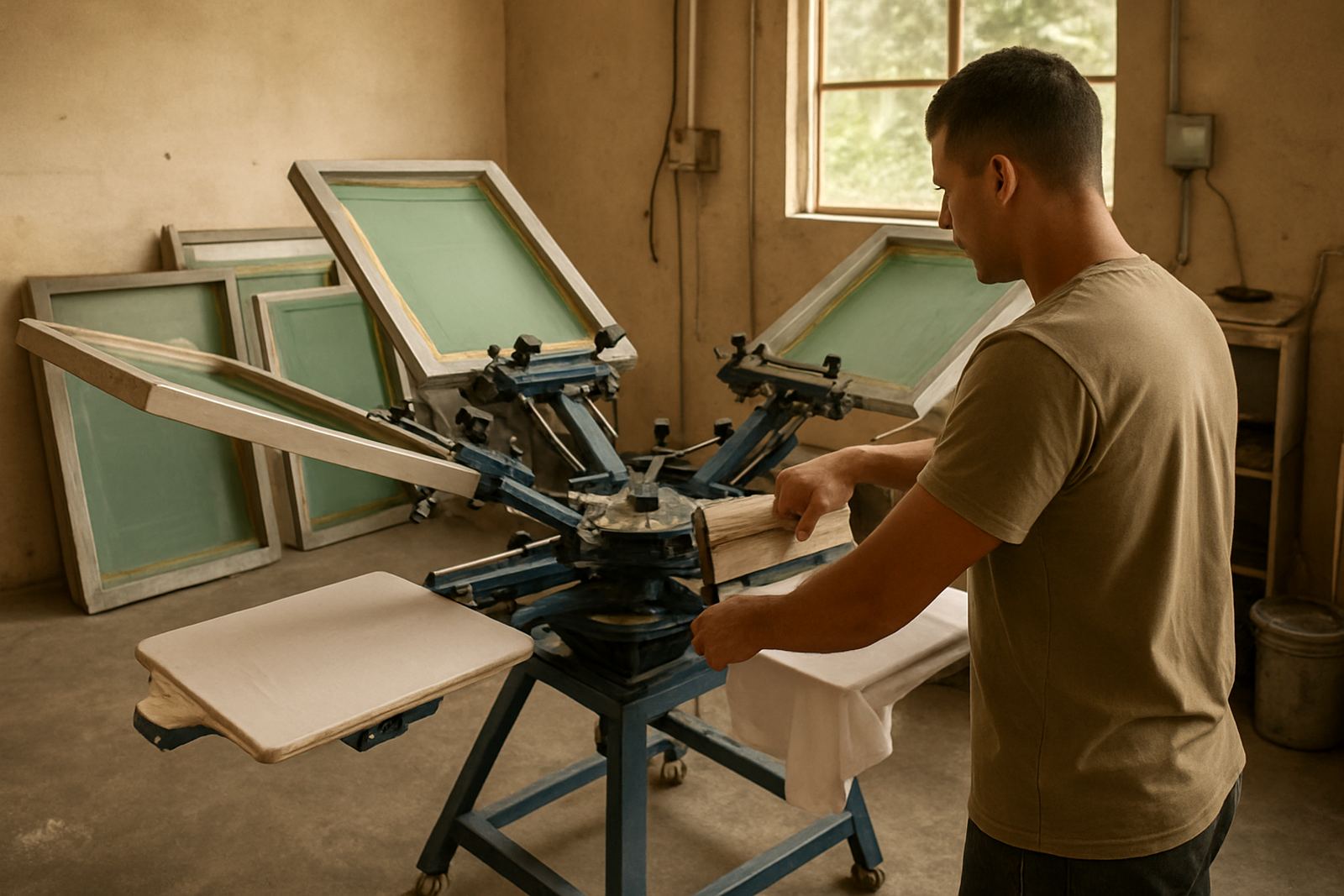
Our base in the Jeffreys Bay industrial area handles screen printing, folding and bagging, and bulk packing for local and regional orders. Good artwork makes that process smoother and helps the finished garments stack better, pack neater and hold their shape in storage.
If you are unsure about a file, send it through our enquiry form and we will guide you on the next step. A small amount of prep at the start can save time, money and rework later on.