
Start with one clear size sheet for the whole group
Use one size sheet from the beginning, not a few notes on different phones or papers. For schools, sports clubs and event teams, a single list makes it easier to check totals, spot gaps and confirm what each person has ordered. Keep the headings simple: name, size, item type and payment status if needed.
If you are ordering for a class, squad or committee, assign one person to gather the list. That avoids doubles and late changes. In the Kouga area we often see orders slowed down because the same person is asked twice by different organisers. One contact point keeps things tidy.
- Use one spreadsheet, form or handwritten master list
- Include full names where possible
- Separate adults and youth sizes clearly
- Mark any special fit requests early
Check the size range before you collect names
Before asking everyone for their sizes, decide which size range will be available. That means checking what you need for T-shirts, hoodies, caps or team kit. A youth size range is not the same as adult sizing, and some group orders need both. When the range is set first, people can answer properly instead of guessing.
For schools in Humansdorp or St Francis Bay, it helps to send out a short note saying whether the garments are standard fit or relaxed fit. If the item will be worn over layers, such as a hoodie for early morning sports, allow for a bit of extra room. Coastal humidity and cool evenings can make layering more important than people first think.
- Confirm whether the item is youth or adult
- Say if the fit is standard or loose
- Tell people to size up if they like a roomier fit
- Ask everyone to check their own current clothing label
Use practical sizing tips people can follow at home
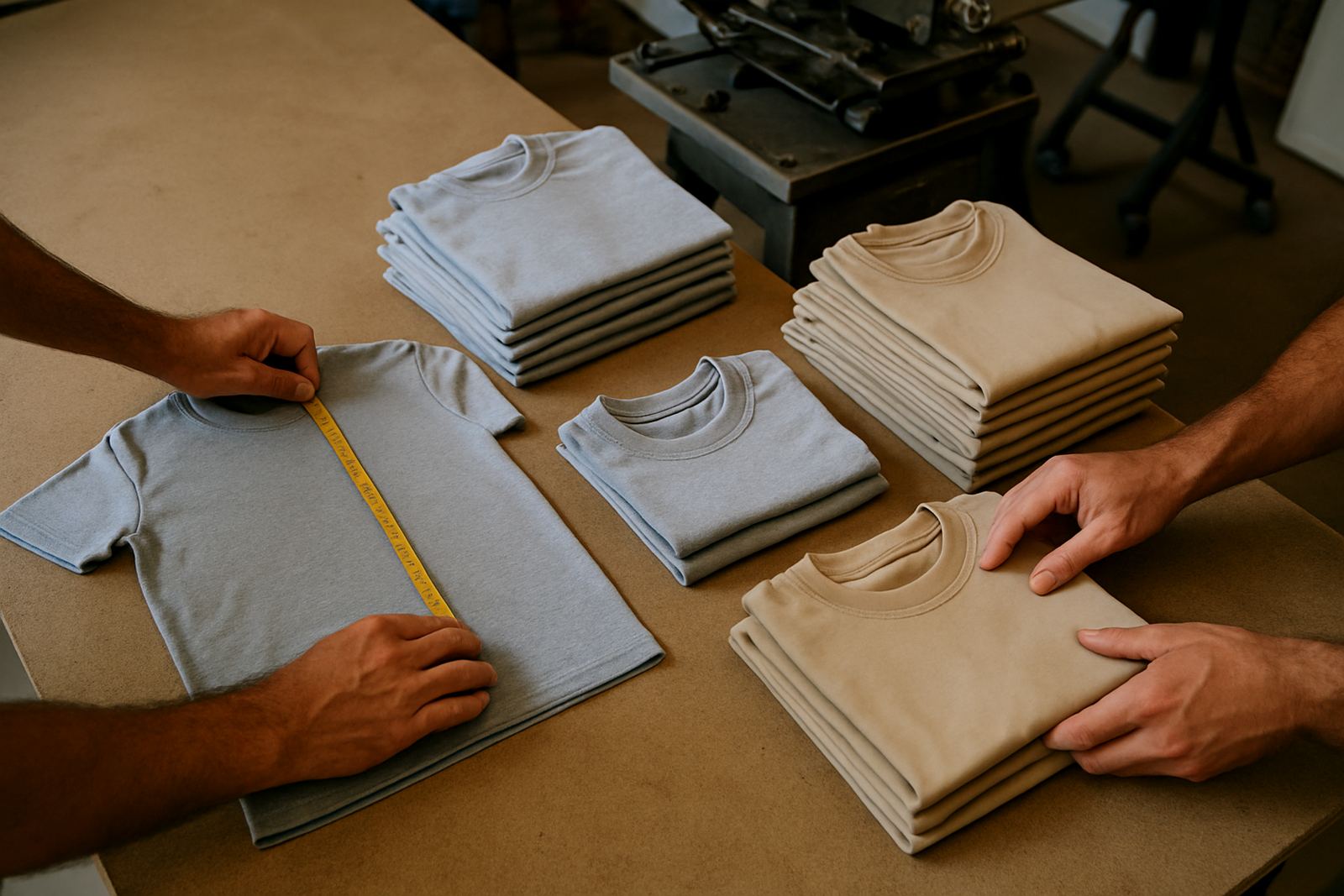
Most size problems happen because people guess. The easiest fix is to ask them to compare with a shirt or hoodie they already wear often. Lay the garment flat on a table, measure across the chest and from shoulder to hem if needed, then match that to the size guide. A tape measure is better than trying to judge by eye.
For team kit and event wear, ask people to consider how they want the garment to sit after washing. Some fabrics settle slightly after the first wash, so a snug fit on day one can feel tighter later. If you are collecting sizes for a school fundraiser or club trip, keep the instructions short and easy to read.
- Measure a garment that already fits well
- Compare with the size guide, not with memory
- Allow for shrinkage on some fabrics
- Note if someone wants a longer length or wider fit
Add names, initials and special notes where needed
When orders include names, initials, seniority or team roles, add those notes to the same sheet as the sizes. This is especially useful for school leavers, club committees and event staff. It also helps with neck label prints, oversize back prints and repeat orders later on. A clear list cuts down on mix ups at folding and bagging stage.
If an order has mixed garment colours, mention which size belongs to which colour. That matters for colour matching and final sorting, especially on larger runs. A short note beside each line is better than a separate message that can be missed. Even a simple note like captain, coach or learner can make a difference. It saves time later and keeps the bundle in order.
- Write names as they should appear on the garment
- Note initials, numbers or titles where needed
- Link each size to the correct colour
- Flag any urgent items before the full order is finalised
Send the final list once, then keep changes to a minimum
Once the list is checked, send a final version and keep changes to a minimum. Group orders can slow down fast if the size list changes after printing has started. One extra youth medium or one missing 2XL can affect the full lay-up and packing sequence. The cleaner the list, the easier the production run.
If there is still uncertainty, ask for sample strike-offs or a single garment check before the full order is approved. That is useful for new clubs, new school sets and first-time event wear. For repeat orders, keep the old size list on file so next term or next season is quicker. That helps when deadlines are tight and load shedding has already taken a chunk out of the day.
Common mistakes to avoid on school and club orders
Most size errors come from the same few habits. People forget to include everyone, mix up youth and adult sizes, or leave one person to guess for the whole team. Another common issue is collecting sizes too late, when there is no time to verify them. A simple process avoids all of that.
Use this short checklist before you submit the order:
- Every name is listed once only
- Sizes match the correct garment type
- Colours, names and roles are shown clearly
- The total quantity matches the number of people ordering
- Any special fitting notes are included
How we support size lists for Jeffreys Bay and beyond
From our Jeffreys Bay industrial area base, we handle size lists for schools, clubs and group orders across Kouga, Humansdorp, St Francis Bay, Cape St Francis, Oyster Bay, Kareedouw and Gqeberha. We work with repeat orders, bulk packing and practical production support so organisers can keep track of who gets what.
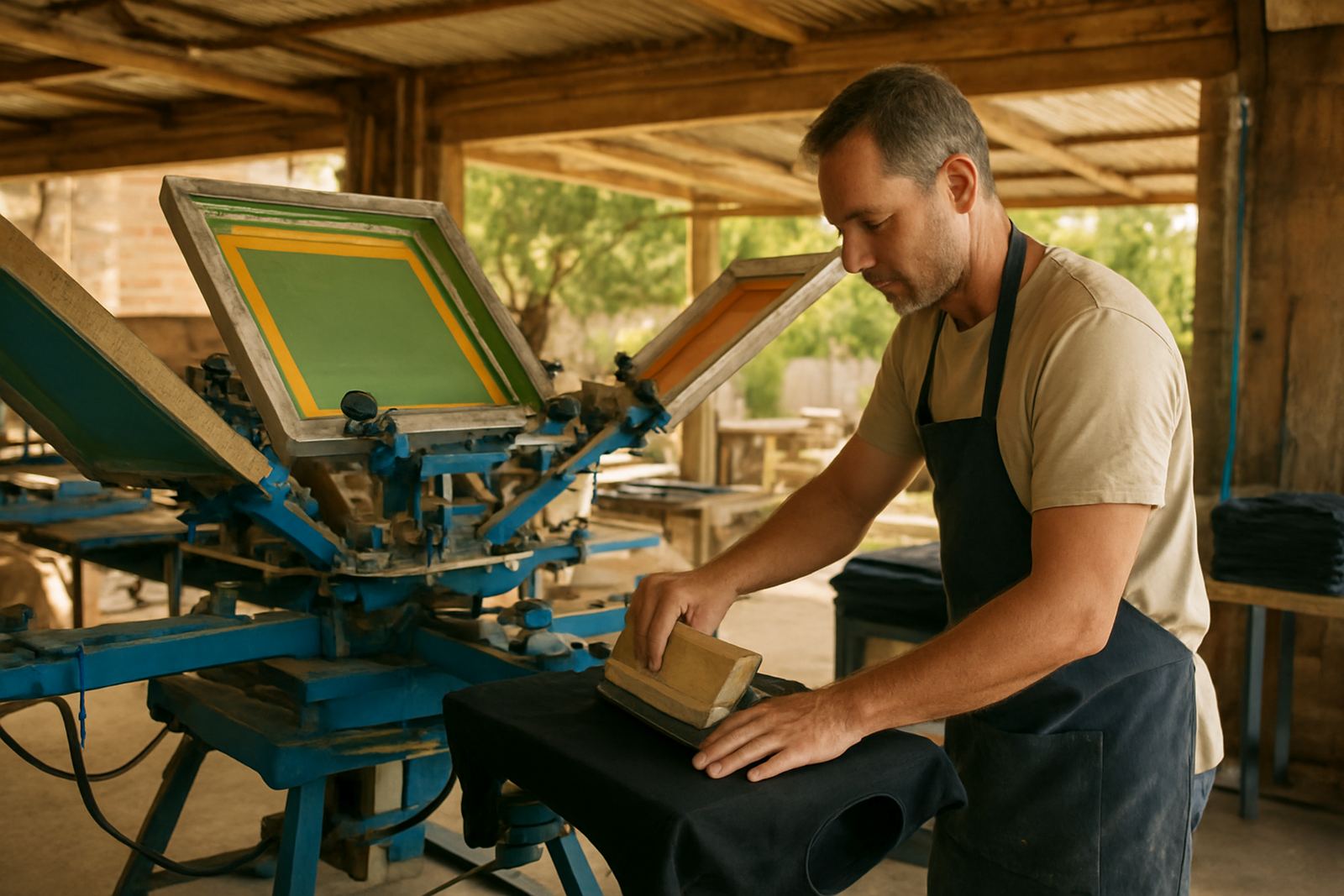
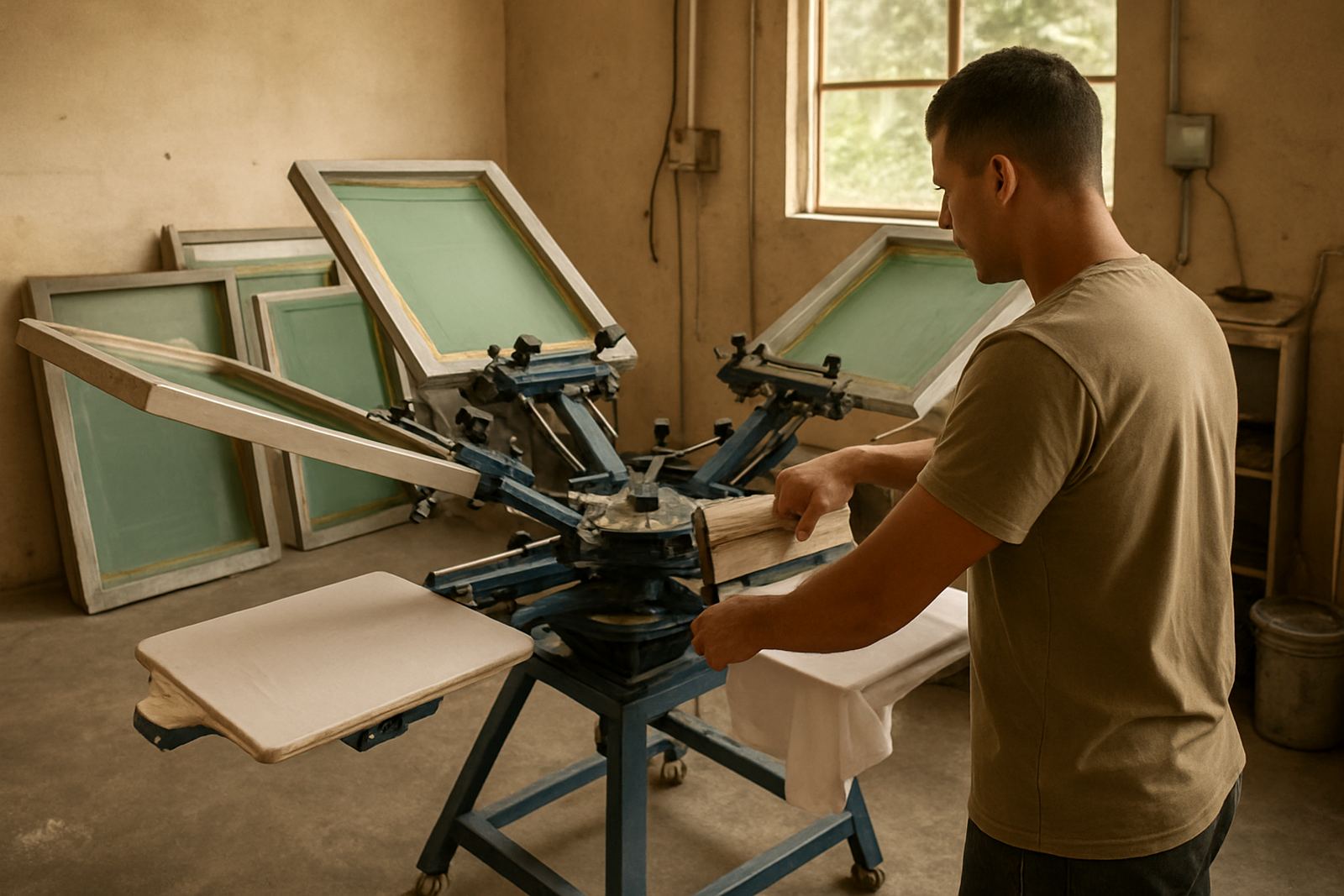
If your order includes screen printing, one colour or multi-colour prints, oversize back prints, sleeve printing or neck label prints, a clean size list helps the whole job move faster. It also makes folding and bagging easier at handover. When the list is in order, the job feels simpler from the start and the final delivery is easier to sort out.