

How collection works from our Jeffreys Bay base
If you are collecting from our Jeffreys Bay industrial area base, we will only ask you to come through once your order is packed and ready for handover. This keeps the process tidy and avoids people waiting while garments are still being folded, checked or bagged. Collections are arranged through the enquiry form on our contact page, then confirmed once artwork, sizing and production details are in place.
For local clients in surf-town retail, school sports, church groups and small businesses, collection is often the quickest option. It works well for repeat orders too, especially where the same logo, sizes and print positions are used again. During load-shedding periods we plan production carefully so that ready orders do not sit around longer than needed.
- Bring any proof of order details if you are collecting on behalf of a group
- Check sizes and quantities before you leave the base
- Ask for folding and bagging if garments need to go straight to members or staff
Regional delivery to Kouga and nearby towns
We deliver regionally to Jeffreys Bay, Humansdorp, St Francis Bay, Cape St Francis, Oyster Bay, Kareedouw and the wider Kouga area, with Gqeberha covered for suitable orders. Delivery timing depends on order size, print count, the route and whether garments need extra finishing. We keep the communication practical so you know whether collection or delivery makes the most sense.
For smaller runs, delivery may be grouped with other local work so transport costs stay sensible. For bulk schoolwear, club kit or event clothing, we can plan packing in cartons for easier handover at the destination. Coastal humidity can affect how garments are handled after printing, so we allow for proper drying before packing and dispatch.
- Delivery is best arranged once artwork and sizes are final
- Large orders may be split into separate cartons by size or department
- We can support repeat seasonal deliveries for schools and clubs
What affects delivery timing and cost
The main factors are order quantity, print complexity, finishing requirements and where the delivery is going. A one colour batch of T-shirts can move faster than a mixed order with hoodies, caps, oversize back prints and sleeve printing. Sample strike-offs and colour matching may also add time at the start, but they help avoid expensive mistakes later.
We also look at municipal and site rules where relevant. Some schools, clubs and workplaces need deliveries during receiving hours only, or at a specific gate. If you are ordering for an event in the Kouga region, it helps to give us the venue access details early so we can plan the drop properly and avoid missed handovers.
- Simple repeat orders are usually quicker to release
- Artwork changes can add setup time before printing starts
- Special packing requests may change the final packing schedule
Packing and handover for schools, clubs and businesses
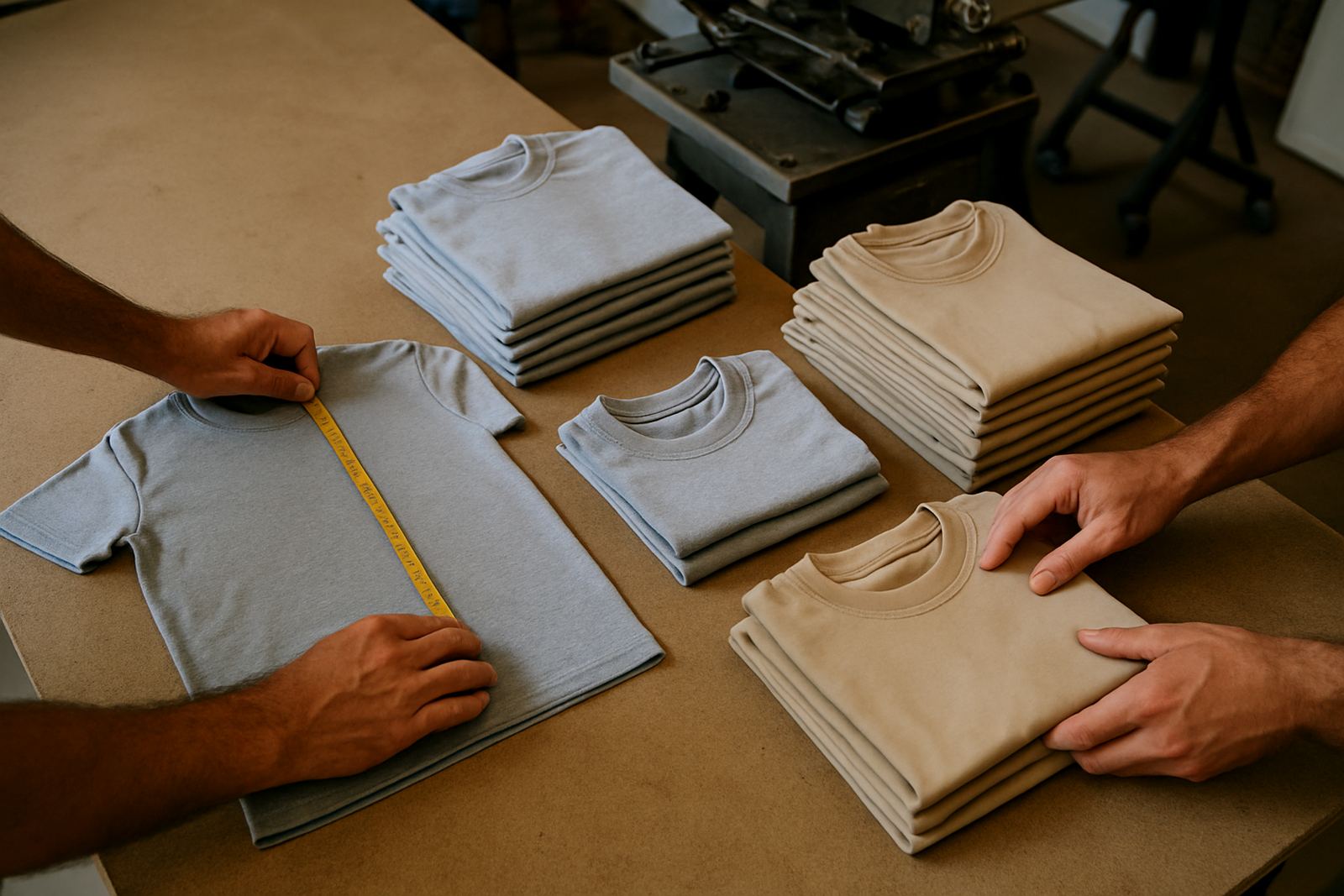
Once printing is complete, garments go through finishing before they are packed. That may include folding and bagging, bulk packing or separating items by size and name group. For school orders, we often pack by grade or size run. For clubs and staff uniforms, we can separate by department, team or event role so distribution is easier when the order reaches you.
This is especially useful for clients handling multiple locations or a large number of recipients. It reduces sorting time on your side and helps prevent mix-ups. If you need repeat order support, keeping the same packing method each time makes future handovers quicker and the process is less stressful, especially when event dates are tight.
- Ask for size-sorted packs if you are distributing to a group
- Bulk packing is useful for stores, coaches and organisers
- Final handover is checked against the confirmed order details
Weather, roads and local conditions
In Jeffreys Bay and the surrounding coastal towns, weather and road conditions can affect transport a bit, especially in windy or wet spells. We keep an eye on practical delays rather than making promises we cant keep. If roads to St Francis Bay, Oyster Bay or inland routes toward Kareedouw are affected, we will adjust the handover plan and keep you informed through the contact process.
For coastal orders, we also think about storage after delivery. Hoodies, caps and printed tees should be kept in a dry place, away from damp or direct sun. That matters more with larger batches and with garments that still need to go into stockrooms, club containers or display shelves. Proper handling protects the print and the garment finish.
- Keep delivered stock dry and boxed until it is needed
- Allow extra time in wet weather if the handover is site-based
- Tell us if your venue has limited receiving access
How to arrange your order step by step
Start by sending your request through the enquiry form on our contact page. Include the garment type, quantity, print areas, sizes and your town. Leandi handles quotes, Ridwaan checks artwork setup, and our production team confirms the print method and timing before anything goes ahead. If you need a sample strike-off, say so early so it can be built into the schedule.
After approval, we move into production, finishing and packing. When the order is ready, we will confirm whether collection from Jeffreys Bay or regional delivery is best. That way you are not guessing, and the order arrives in the format that suits your group. If you are ordering again later, we keep the details on file for smoother repeat work, which saves time on the next run.
- Send quantities, sizes and delivery town on your first enquiry
- Let us know if you need folded, bagged or bulk packed items
- For repeat orders, confirm any changes before reprint begins